NYC Violation Clearance Timeline: From Issue to Resolution
Navigating the labyrinth of New York City building regulations and code compliance can be a daunting task for even the most seasoned property owners and developers. When a building violation is issued, the clock starts ticking, and understanding the process from violation to clearance and the realistic timeline involved is crucial for effective management and avoiding escalating penalties. This guide breaks down the typical stages of resolving various types of NYC building violations, offering insights into what to expect and how to streamline the process.
Understanding the Different Types of NYC Violations
Before diving into timelines, it's essential to recognize that New York City issues various types of building-related violations, each with its own issuing agency, appeal process, and clearance procedures. The more common ones include:
- DOB Violations – Issued by the Department of Buildings for infractions related to construction, structural integrity, zoning, and safety. These can range from minor administrative issues to serious safety hazards, potentially leading to a Stop Work Order.
- ECB Violations (OATH Summonses) – Issued by various city agencies, including the DOB, Fire Department (FDNY), Department of Sanitation (DSNY), and Department of Environmental Protection (DEP), for violations enforceable at the Environmental Control Board (ECB), now under OATH (Office of Administrative Trials and Hearings). These often involve monetary penalties and require attending an OATH hearing.
- HPD Violations – Issued by the Department of Housing Preservation and Development, primarily concerning housing quality standards, tenant safety, and habitability in residential buildings.
- FDNY Violations – Issued by the Fire Department for non-compliance with fire safety codes, such as egress, sprinkler systems, fire alarms, and hazardous materials storage.
The Initial Stages: Issuance and Notification
The timeline for resolving a violation officially begins the moment it is issued. However, the property owner may not be immediately aware of it.
How Violations Are Issued
- Inspections – Violations are most commonly issued as a result of scheduled or complaint-driven inspections by various city agencies.
- Self-Reporting – In some cases, violations are discovered during routine project work or during annual inspections (e.g., Local Law 11 / FISP) and must be reported by the owner or their representative.
Notification and Discovery
Once issued, the agency will attempt to notify the property owner. This can happen in several ways:
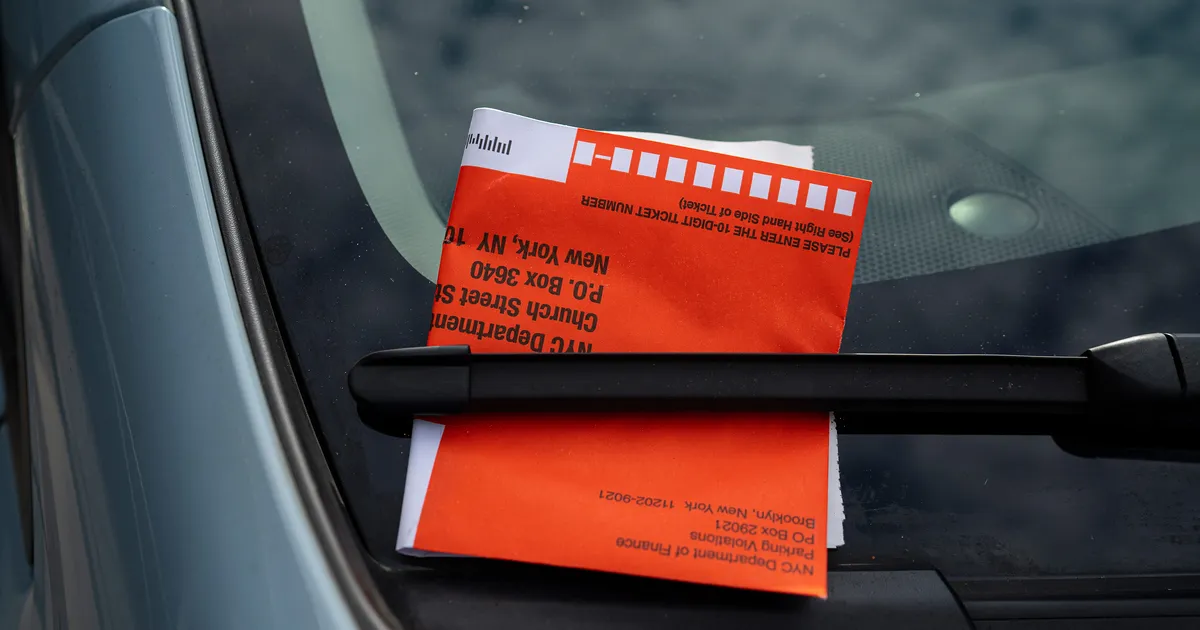
- Mail – Official notices are typically sent to the owner's address on file with the Department of Finance. It's crucial to keep this information updated.
- Posting – For certain violations, especially those related to immediate safety hazards, a notice may be physically posted on the building.
- Online Search – Savvy property managers frequently check agency websites like the NYC Department of Buildings (DOB) Building Information Search to proactively identify violations. Missing a notification can lead to default judgments and increased penalties.
Realistic Timeline: From issuance to the owner's awareness can be anywhere from a few days to several weeks, depending on mailing times and whether the owner is proactively checking.
Addressing and Correcting the Violation
This is often the most time-consuming phase, as it involves understanding the violation, planning the corrective action, and executing it.
Investigation and Planning
- Understand the Violation – Carefully read the violation notice. Identify the specific code section violated and the required corrective action. This might require consulting with an architect, engineer, or a code compliance expert.
- Determine Required Permits – Many corrections, especially for DOB violations, will require obtaining new permits. This could involve filing an ALT-1, ALT-2, or NB application with the DOB.
- Engage Professionals – Depending on the complexity, you might need to engage licensed professionals (e.g., architects, structural engineers, general contractors) to design and implement the repairs.
Executing Corrective Actions
- Permit Expediting – If permits are required, the permit expediting process itself can take significant time. The duration heavily depends on the scope of work, the completeness of submissions, DOB review cycles, and potential back-and-forth for additional information.
- Construction/Repair Work – Once permits are secured (if needed), the actual physical work to correct the condition must be performed. This timeline is highly variable based on the scope and complexity.
Realistic Timeline: This phase can range from weeks to several months or even over a year for complex structural issues or projects requiring extensive DOB filings, approvals, and construction.
Demonstrating Compliance and Clearance
Correcting the violation is only half the battle; the agency needs official proof that the condition has been remedied.
DOB Violations: Certificate of Correction and Re-inspection
- Certificate of Correction – For many DOB violations, particularly OATH/ECB summonses, this document is filed attesting that the condition has been corrected. It often requires notarization by the owner and an affidavit from a licensed professional, where applicable.
- Inspection Request – For certain DOB violations (e.g., those posing an immediate hazard, or for full compliance with new construction projects), a re-inspection might be required by the DOB itself. This is requested through the DOB NOW system.
- DOB NOW Submissions – Increasingly, all submissions for violations, permits, and subsequent clearances are handled through DOB NOW. Familiarity with this system is critical.
ECB Violations: Hearings and Payments
- Attend OATH Hearing – If you received an ECB summons (OATH summons), you must attend a scheduled hearing to dispute the violation or demonstrate correction, even if the condition is remedied. Failure to appear results in a default judgment and increased penalties.
- Submit Proof of Correction – At the hearing, you'll present evidence (photos, permits, professional affidavits) that the violation has been corrected.
- Pay Fines – Even if the violation is dismissed or reduced after correction, you may still be responsible for civil penalties. Timely payment is crucial to avoid further penalties and interest.
HPD Violations: Certification of Correction and Re-inspection
- Certify Correction Online – HPD violations typically allow owners to certify correction online via the HPD portal. This is often followed by a random re-inspection to verify the claim.
- Timeliness – HPD violations have strict timeframes for correction (e.g., immediately, 24 hours, 5 days, 21 days for Class C, B, A respectively). Failure to meet these can lead to steep penalties and emergency repairs by HPD with costs billed to the owner.
Realistic Timeline: This phase can take several weeks to a few months. Scheduling re-inspections can add delays, as can administrative processing times for certifications and fine payments. OATH hearings have their own schedules, which can push resolution months down the line.
Post-Clearance: Verifying and Maintaining Compliance
Official clearance means the violation is resolved, but vigilance is key to preventing recurrence.
Verification
- Check Online Status – Always verify that the violation status has been updated to 'CLOSED,' 'DISMISSED,' or 'COMPLIED' on the respective agency's website. If it hasn't, follow up immediately.
- Retain Records – Keep thorough records of all violation notices, corrective actions, permits, certifications, payment receipts, and correspondence.
Ongoing Compliance
The best way to manage violations is to prevent them. Regular maintenance, proactive inspections, and staying updated on code changes are essential. Engaging in regular property analysis can help identify potential issues before they become violations.
Key Factors Influencing the Timeline
Several variables can significantly impact how long it takes to go from violation to clearance:
- Severity and Complexity – Minor administrative violations resolve faster than major structural or safety issues.
- Required Permits – If permits are needed, the review and approval process adds substantial time.
- Agency Backlogs – Processing times at agencies like the DOB, ECB, and HPD can fluctuate, causing delays.
- Professional Engagement – The speed and efficiency of your architect, engineer, contractor, and expediter will directly affect the project timeline.
- Owner Responsiveness – Delays in responding to agency requests, providing documents, or paying fines will extend the timeline.
Services Offered
BVS supports every step of NYC compliance discussed above. Explore the related services:
- Violation Removal – Comprehensive support for clearing DOB, ECB, HPD, and FDNY violations.
- Permit Expediting – Streamlining the process of securing all necessary permits for corrective work in NYC.
- Hearing Representation – Expert advocacy at OATH/ECB hearings to appeal or mitigate violation penalties.
- Property Analysis – Proactive identification of potential code issues and compliance gaps to prevent future violations.
Navigating the complexities of NYC building violation clearance requires expertise, diligence, and a clear understanding of the regulatory landscape. While timelines vary, being prepared and proactive can significantly expedite the process and prevent additional penalties. Building Violation Solutions (BVS) specializes in guiding property owners, developers, and contractors through every stage, from initial violation assessment to final clearance. Don't let violations disrupt your operations or accrue excessive fines; let our experts help you achieve swift and efficient resolution.
Services Offered
BVS handles the NYC compliance work behind every topic in this article. Explore the related services below:
Building Violation Removal
End-to-end resolution for DOB, ECB, FDNY and HPD violations.
Permit Expediting
Fast-track DOB, FDNY and DOT permits through every agency portal.
Certificate of Occupancy
Obtain, amend and renew COs and TCOs across all NYC building types.
Property Analysis
Pre-purchase compliance, violation and CO due diligence reports.