Adaptive reuse means giving old buildings a new purpose. It is a key part of sustainable urban growth.
This approach connects the past with the present in a practical, lively way.
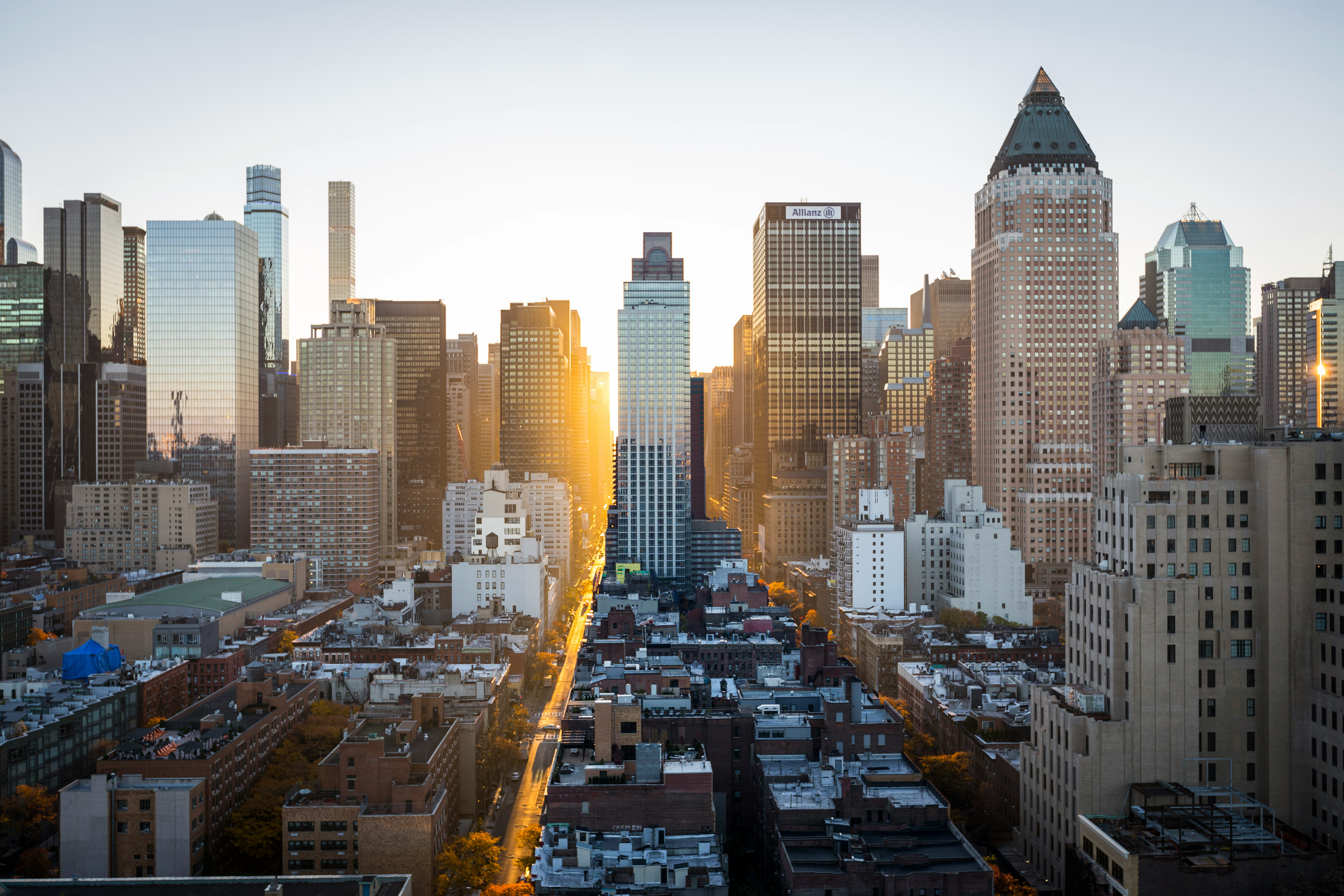
This matters most in New York City, where historic buildings stand alongside skyscrapers and busy streets. For architects, property managers, and developers, adaptive reuse brings both challenges and opportunities in NYC's commercial building sector.
The Value of Adaptive Reuse for NYC's Historic Buildings
Adaptive reuse is more than a trend in NYC. It shows a real commitment to sustainability, smart spending, and social value.
Key Benefits
- Landmarks compliance: Architects and developers can meet Landmarks Committee rules while upgrading to modern standards.
- Lower costs: Reusing existing structures often costs less than new construction. This is especially true given NYC's high real estate prices.
- Neighborhood revival: These projects can bring new life to communities. They preserve historic landmarks and strengthen the local fabric.
Balancing Old and New
For NYC architects and property managers, the challenge is twofold. They must add modern features to old spaces. They must also respect each building's historic value.
The result is a mixed-use setting that honors the city's past while serving its future.
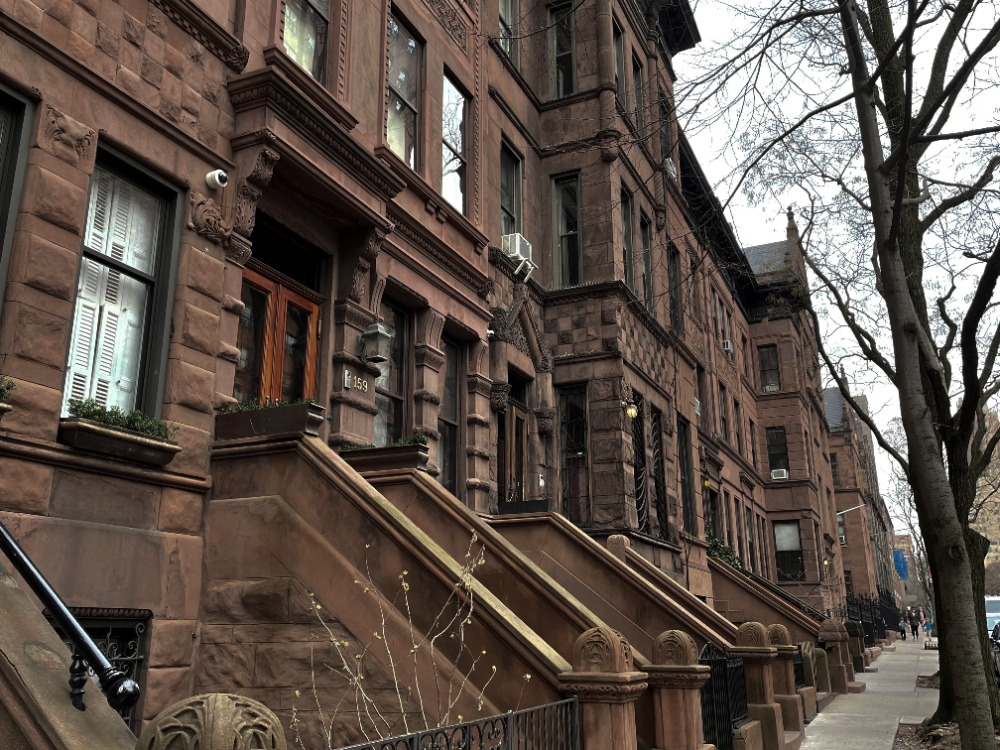
Navigating NYC's Regulatory Landscape
Starting an adaptive reuse project in NYC means dealing with many rules. Building permits are critical.
Historic buildings face extra review from the NYC Landmarks Committee.
Fixing any existing violations is essential for a smooth project. This is where permit expediting skills and a strong grasp of NYC Building Zoning and Building Code prove valuable.
Regulatory Challenges
Developers and architects must handle several layers of rules, including:
- NYC Department of Buildings (DOB) regulations
- Landmark preservation guidelines
- Zoning laws
Violations can stall a project and raise costs. That is why permit management services are so important.
They help projects meet rules on time.
How Permit Expediting Helps
Permit expediting services in NYC clear a path through the red tape. They are especially helpful for adaptive reuse projects.
Compliance issues often come up because of a building's historic nature.
With file representatives and management experts, developers can focus on design and construction. The permit and compliance work stays in expert hands.
Case Studies: Successful Adaptive Reuse Projects in NYC
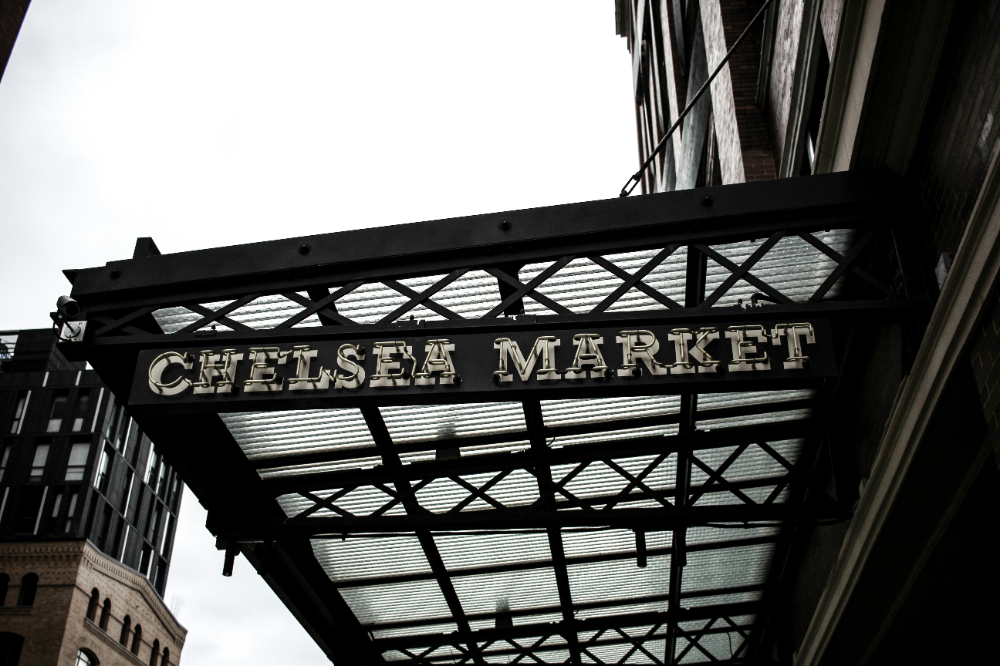
The Chelsea Market
This iconic building in Manhattan's Chelsea area was once a Nabisco factory. Today it is a busy marketplace, office space, and broadcasting studio hub.
The project kept the original industrial character while adding modern features. It required careful work with building permits, landmark rules, and zoning laws.
Architects, developers, and the city all worked together to make it happen.
The High Line
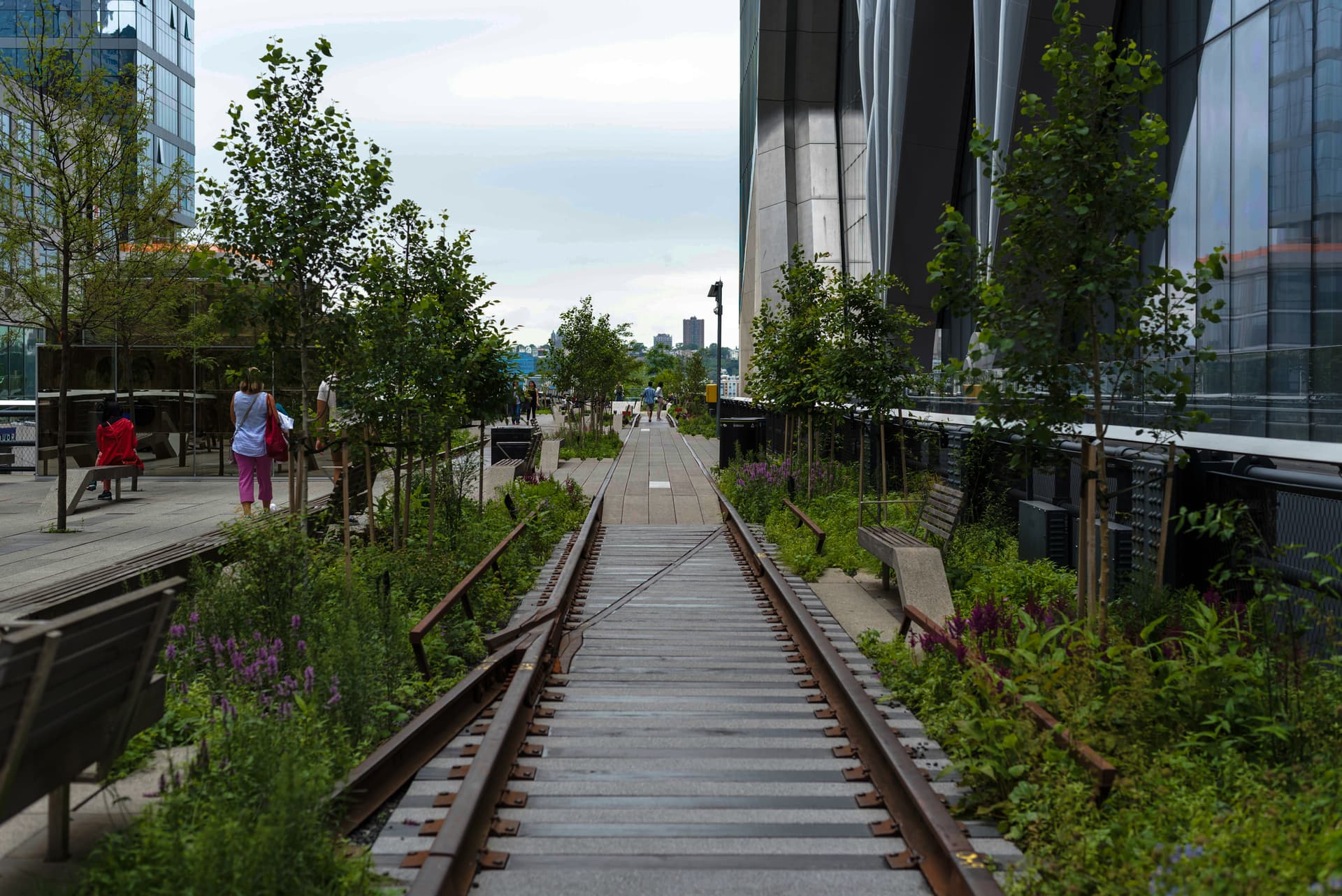
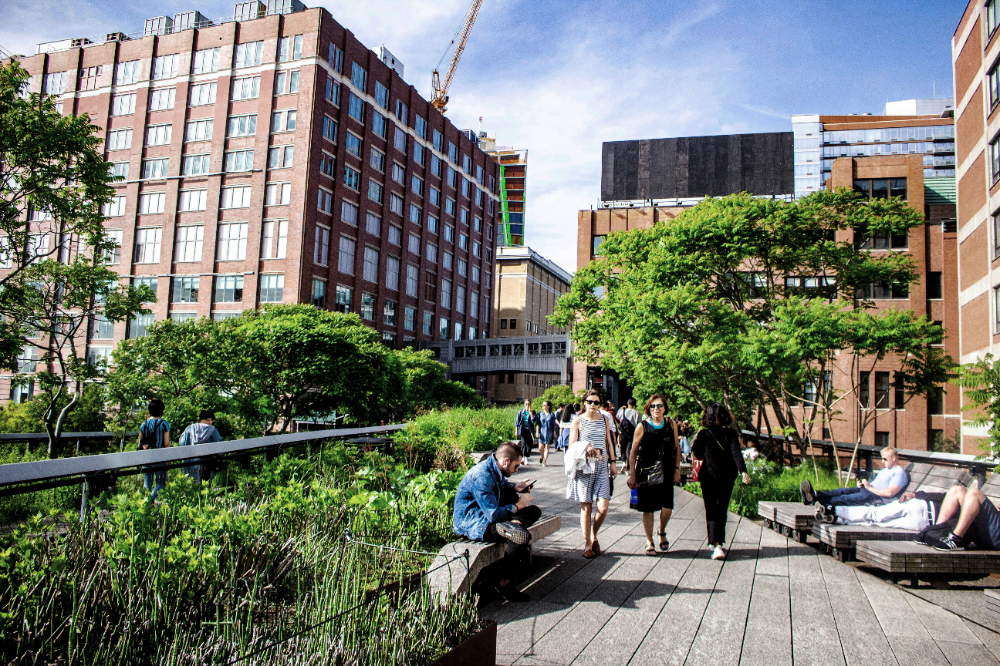
This abandoned elevated railway is now one of NYC's most loved public parks. The project turned unused infrastructure into a green urban space for residents and tourists.
The transformation took extensive planning, community input, and creative design. It shows how adaptive reuse can turn a possible eyesore into a valued community asset.
With creative design and smart planning, NYC architects and developers can turn historic buildings into lively, useful spaces. These projects add real value to the city's ever-changing landscape.
Permit Management for Adaptive Reuse Projects
NYC's complex rules make strong permit management essential. Good management keeps projects moving from start to finish.
It also makes sure all rules are met without needless delays.
What Professional Services Offer
Handling NYC building permits requires deep knowledge of:
- City building codes
- Zoning laws
- Historic preservation guidelines
Professional permit services bridge the gap between developers and city agencies. They bring expertise in compliance, violation fixes, and permit processing.