NYC Building Inspections: A Property Owner's Guide
Navigating New York City's complex building regulations can be daunting, and few things cause more anxiety for property owners than an impending building inspection. From routine checks to violation follow-ups, understanding the inspection process is crucial for maintaining compliance, ensuring safety, and avoiding costly penalties. This comprehensive guide will demystify NYC building inspections, providing you with the knowledge to prepare effectively and keep your property in good standing.
Why NYC Building Inspections Matter
New York City has some of the most rigorous building codes in the world, primarily enforced by the Department of Buildings (DOB). These inspections are not just bureaucratic hurdles; they are vital for public safety, ensuring that buildings are structurally sound, safe from fire hazards, and comply with all applicable health and zoning regulations. For property owners, failing an inspection can lead to DOB violations, Stop Work Orders, fines, and even legal action, making proactive compliance an absolute necessity.
Common Types of NYC Building Inspections
Inspections can originate from various sources and serve different purposes. Understanding the type of inspection will help you anticipate what areas the inspector will focus on.
1. Construction and Permit-Related Inspections
- New Building (NB) and Alteration (ALT) Inspections – Required during various stages of construction or significant alteration projects (e.g., plumbing, electrical, structural work). These ensure that the work being performed aligns with approved plans and code requirements.
- Certificate of Occupancy (CO) Inspections – Essential for new constructions or changes in occupancy/use. These inspections verify that the building is safe, habitable, and complies with all codes before it can be occupied. BVS specializes in securing your Certificate of Occupancy.
- Special Inspections – Performed by third-party agencies (not the DOB) for critical structural or life-safety components, such as concrete, structural steel, and fireproofing, as mandated by the building code. The DOB will review these special inspection reports.
2. Complaint-Driven Inspections
These occur when the DOB receives a complaint from a tenant, neighbor, or concerned citizen regarding unsafe conditions, illegal construction, or other potential code violations. Inspectors will investigate the specific complaint and may issue violations if found.
3. Periodic and Proactive Inspections
- Annual Inspections – Certain systems, like boilers, elevators, and facade conditions (through Local Law 11 / FISP), require periodic inspections by licensed professionals, with reports filed with the DOB.
- Fire Department (FDNY) Inspections – The FDNY conducts its own inspections to ensure fire safety, proper egress, and maintenance of fire protection systems. FDNY violations can range from obstructed exits to unmaintained sprinklers.
- Housing Preservation and Development (HPD) Inspections – HPD focuses on housing quality and tenant safety in residential buildings, addressing issues like lead paint, heat and hot water, and pests. HPD violations are critical for tenant well-being.
- Environmental Control Board (ECB) Inspections – While not inspectors themselves, ECB issues OATH summonses based on violations cited by various agencies, including DOB, FDNY, and Sanitation. Property owners often require hearing representation for these.
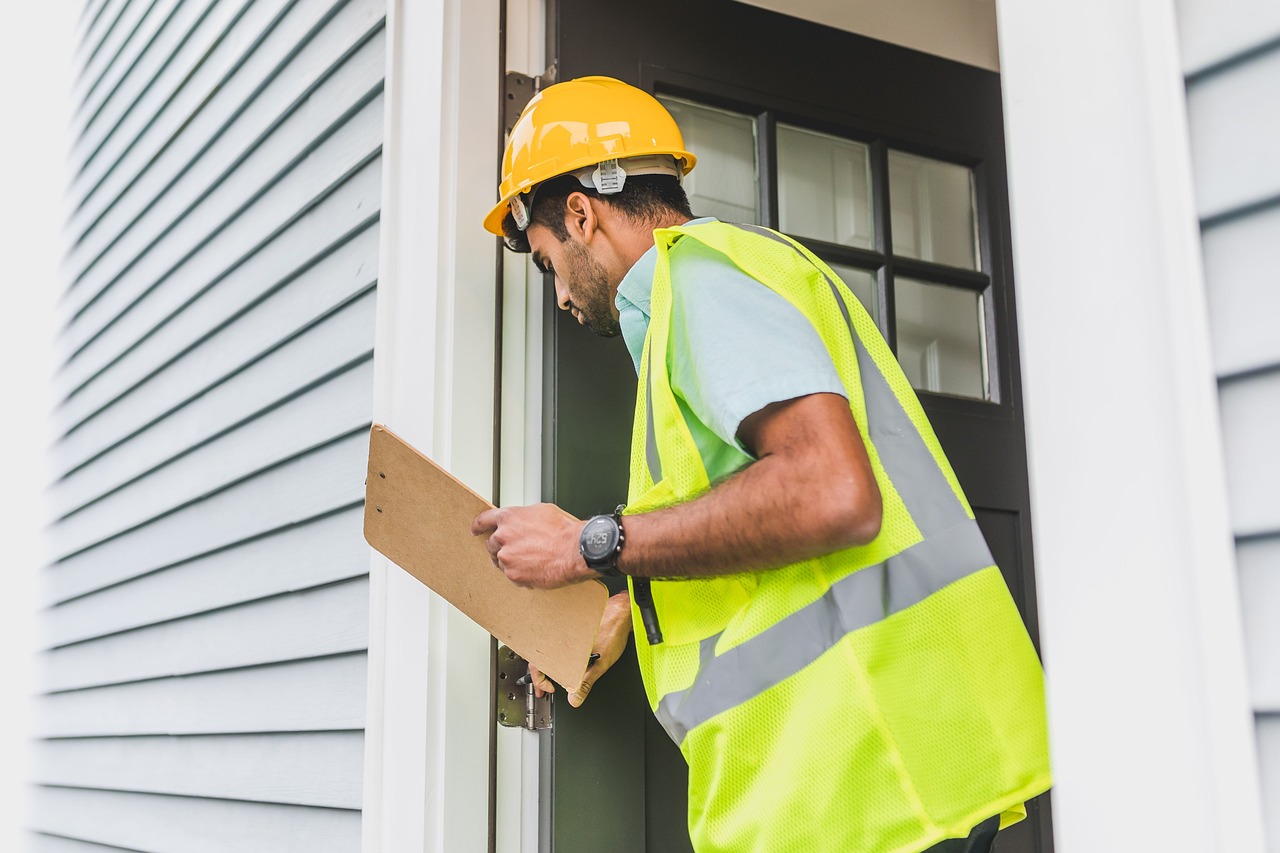
What Inspectors Look For: A General Checklist
While the specifics depend on the inspection type, inspectors generally look for adherence to the NYC Building Code, Zoning Resolution, and other relevant laws.
- Structural Integrity – Signs of distress, cracks, water damage, or unauthorized alterations that could compromise structural stability.
- Fire Safety – Proper fire exits, clear egress paths, functional fire alarms, sprinkler systems, fire doors, and appropriate firestopping.
- Mechanical Systems – Condition and proper operation of heating, ventilation, air conditioning (HVAC), plumbing, and electrical systems. They'll check for permits for installations.
- Hazardous Conditions – Presence of lead paint, asbestos, mold, or other environmental hazards.
- Accessibility – Compliance with ADA standards for ramps, elevators, and accessible restrooms where applicable.
- Permits and Filings – Verification that all necessary permits are on file for any construction work, and that work aligns with approved plans. They will check the DOB NOW system.
- Maintenance – General upkeep of the property, including roofing, facades, windows, and common areas.
- Zoning Compliance – Adherence to use, height, setbacks, and other zoning analysis requirements.
Preparing Your Property for an Inspection
Preparation is key to a successful inspection. A little foresight can save significant headaches and expenses.
1. Organize Your Documentation
- Permits and Plans – Have copies of all active and recently closed permits (NB, ALT-1, ALT-2, PAA, etc.) and approved construction drawings readily available.
- Certificates – Keep your Certificate of Occupancy, boiler certificates, elevator inspection reports, and any other required certificates organized.
- Maintenance Records – Document regular maintenance of critical systems (HVAC, plumbing, electrical).
- Violation History – Be aware of any open violations and have proof of their resolution, such as a Certificate of Correction.
2. Conduct a Pre-Inspection Walkthrough
Before the inspector arrives, perform your own thorough walkthrough, addressing obvious issues:
- Clear Egress Paths – Ensure all fire exits, hallways, and stairwells are free of obstructions.
- Working Systems – Test fire alarms, emergency lighting, and ensure all building systems are operational.
- General Maintenance – Fix leaky faucets, exposed wiring, loose handrails, and other minor repairs.
- Accessibility – Check ramps, doorways, and common areas for compliance.
- Housekeeping – A clean and well-maintained property makes a good impression.
3. Be Present and Cooperative
While not always mandatory, having a knowledgeable representative (owner, superintendent, or a project coordinator) present during the inspection can be beneficial. Be polite, answer questions truthfully, and provide access to all necessary areas. Avoid obstructing the inspector or arguing.
Common Reasons NYC Building Inspections Fail
Even with preparation, inspections can sometimes yield violations. Here are some frequent culprits:
- Unpermitted Work – Performing construction, alterations, or even minor changes without the required permits is a major red flag.
- Obstructed Egress – Blocked fire exits, chained doors, or stored items in hallways are serious life-safety violations.
- Expired or Missing Permits/Certificates – Failing to renew required permits or to have proper certifications for equipment.
- Failure to Maintain Systems – Non-functional fire alarms, elevators, boilers, or other critical building systems.
- Structural Issues – Unaddressed cracks, water infiltration leading to structural damage, or unauthorized removal of load-bearing elements.
- Non-Compliance with Approved Plans – Building or renovating in a way that deviates from the DOB-approved drawings.
- Zoning Violations – Illegal conversions of space, exceeding FAR (Floor Area Ratio), or non-compliant use of the property.
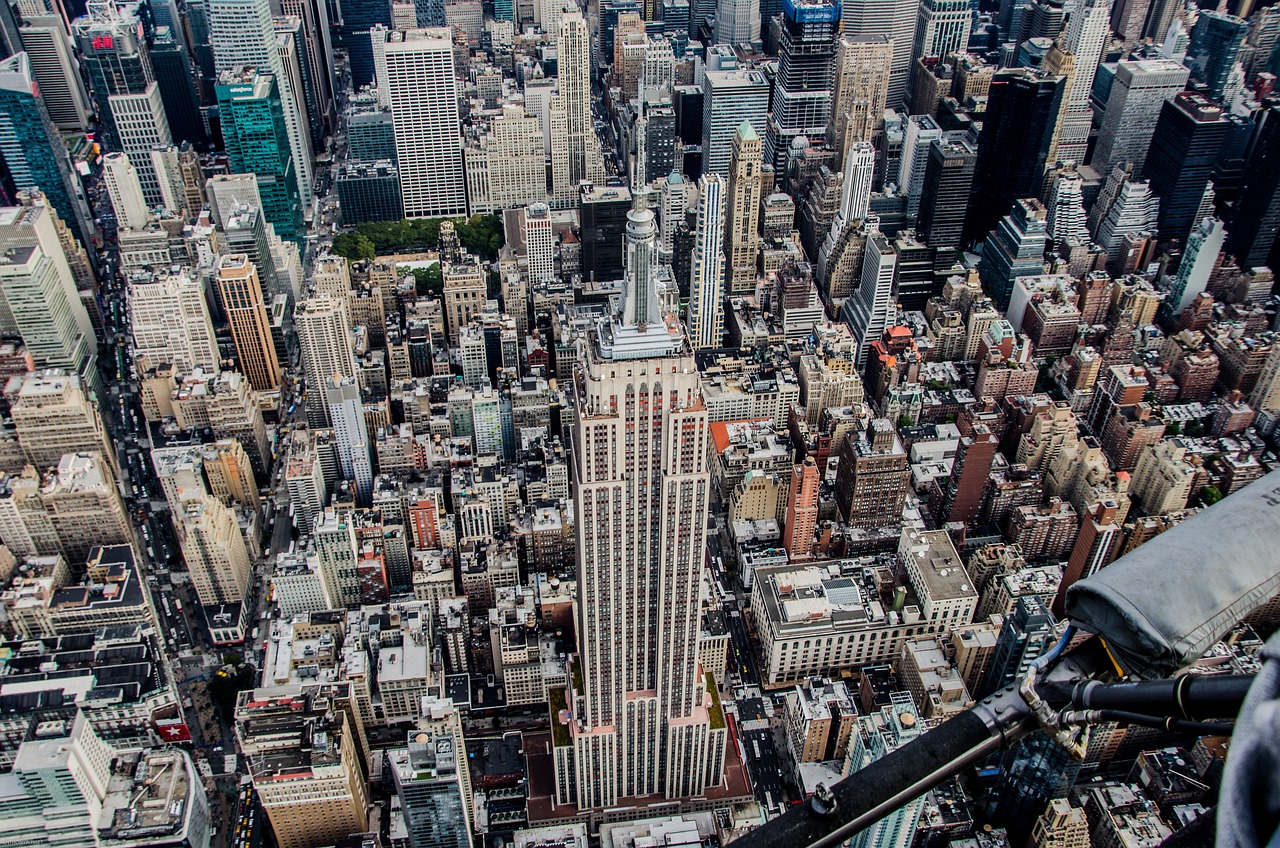
Best Practices for Maintaining Ongoing Compliance
Compliance is an ongoing process, not a one-time event. Integrate these practices into your property management strategy:
- Regular Self-Audits – Periodically inspect your property using a checklist similar to what an official inspector would use.
- Stay Informed – Keep up-to-date with changes in the NYC Building Code and Zoning Resolution.
- Proactive Maintenance – Address repairs promptly and implement a robust preventative maintenance schedule for all building systems.
- Consult Experts – When planning any significant work, consult with licensed architects, engineers, and a permit expediter to ensure proper planning and DOB filings are in place.
- Document Everything – Maintain meticulous records of all permits, inspections, repairs, and maintenance activities.
- Address Violations Immediately – If a violation is issued, act swiftly to correct it and file the necessary documentation for violation removal.
Services Offered
BVS supports every step of NYC compliance discussed above. Explore the related services:
- DOB Violations – Expert assistance in resolving Department of Buildings violations efficiently.
- Permit Expediting – Streamline your permit application and approval process with experienced expediters.
- Certificate of Occupancy – Navigate the complex path to obtaining or amending your property's Certificate of Occupancy.
- Violation Removal – Comprehensive solutions for clearing all types of NYC building violations and ensuring compliance.
Understanding and preparing for NYC building inspections is a critical responsibility for every property owner. By being proactive, organized, and informed, you can minimize stress, avoid costly penalties, and ensure your property remains safe and compliant. If you need assistance with any aspect of building inspections, compliance, or violation removal, BVS is here to help. Our team of experts specializes in navigating the intricacies of NYC's regulatory landscape, offering peace of mind and efficient solutions.
Services Offered
BVS handles the NYC compliance work behind every topic in this article. Explore the related services below:
Building Violation Removal
End-to-end resolution for DOB, ECB, FDNY and HPD violations.
Permit Expediting
Fast-track DOB, FDNY and DOT permits through every agency portal.
Certificate of Occupancy
Obtain, amend and renew COs and TCOs across all NYC building types.
Property Analysis
Pre-purchase compliance, violation and CO due diligence reports.