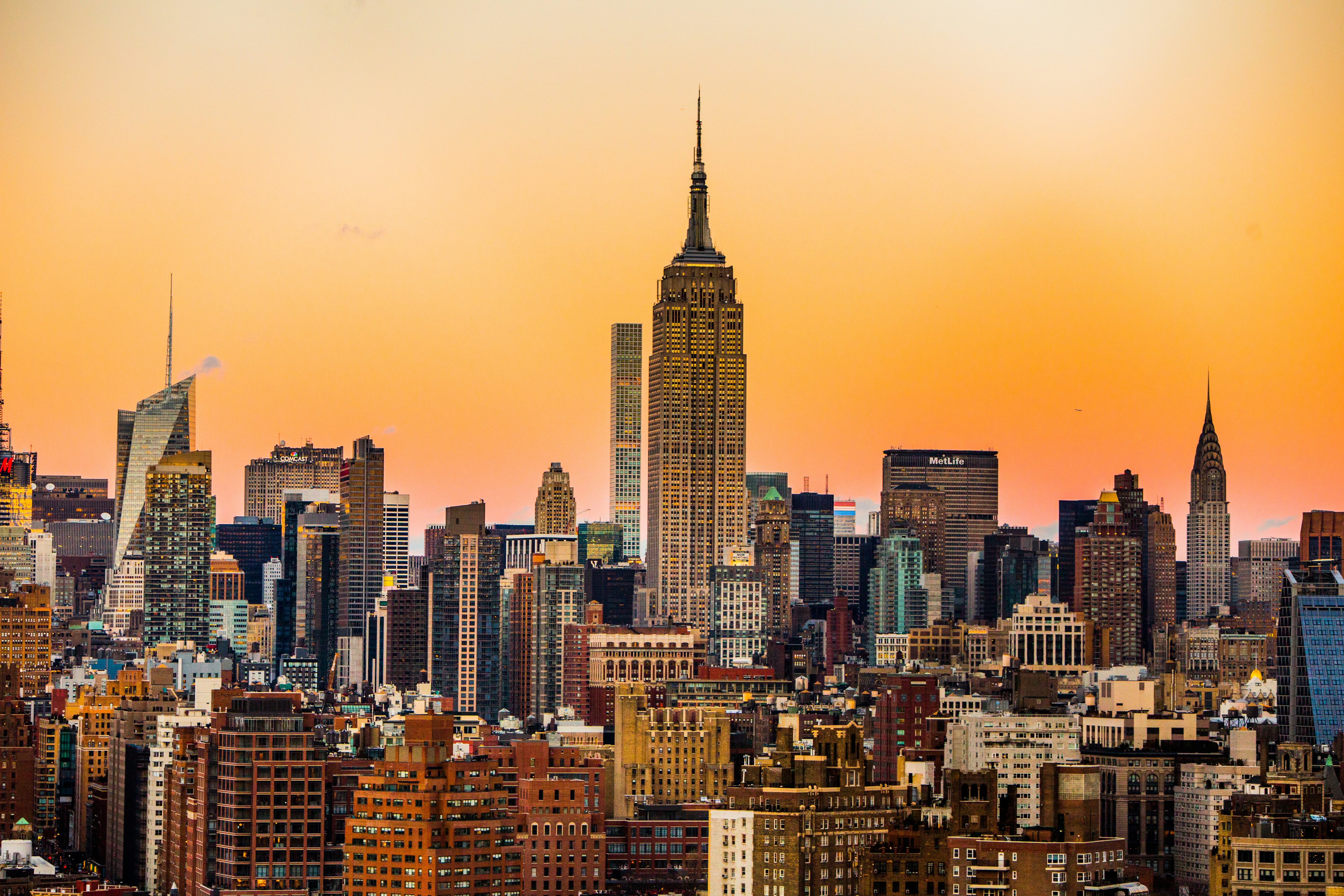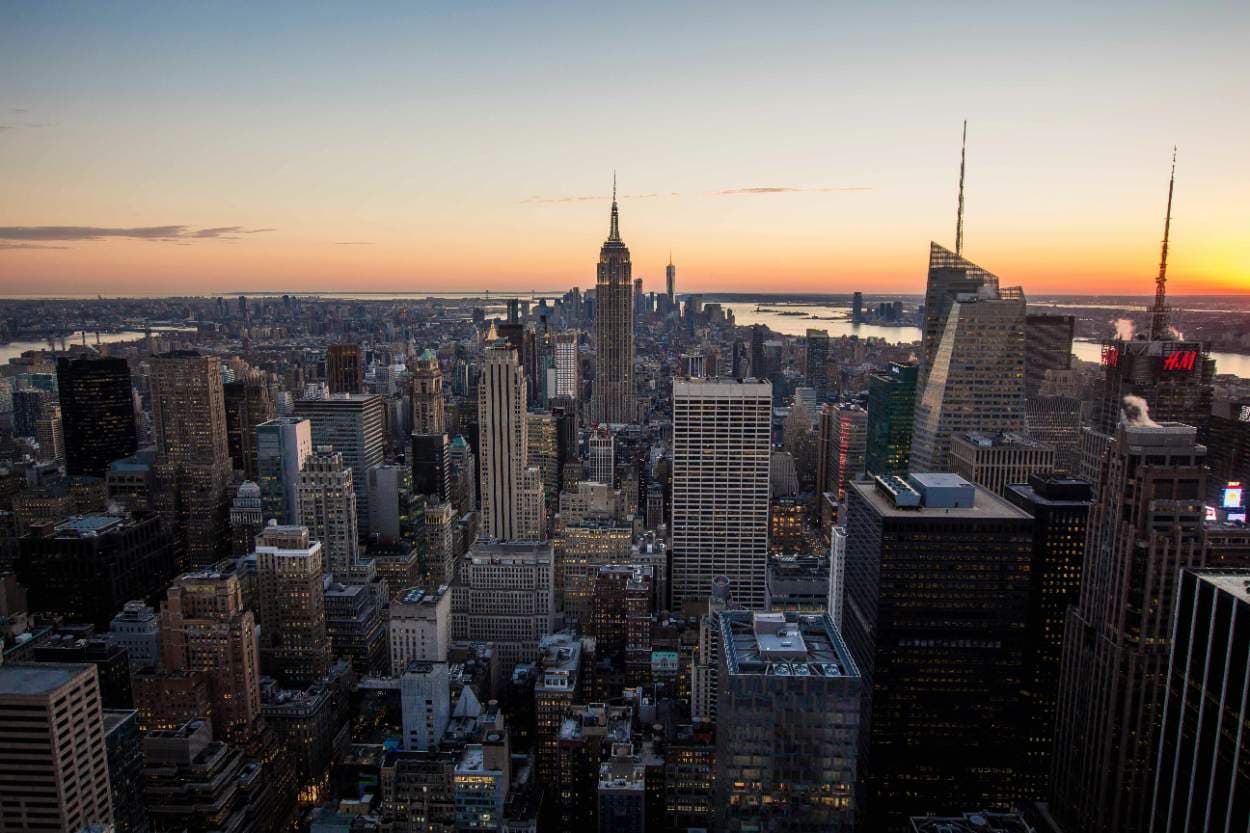
New York City's skyline is an ever-changing mosaic of architectural brilliance, defined by soaring towers and innovative designs. One lesser-known element driving this vertical expansion is the concept of air rights.
Air rights allow developers to transcend traditional zoning laws. They enable taller, denser structures that redefine the urban landscape. This article explores how air rights shape NYC's architecture, real estate, and the fabric of the city itself.
What Are Air Rights?
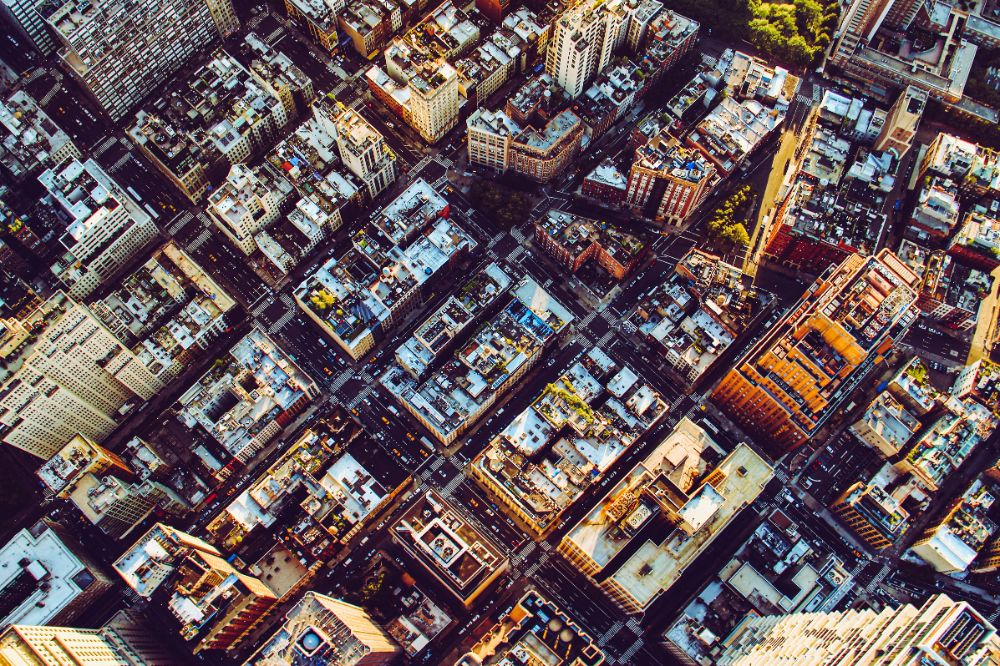
Air rights are the invisible yet invaluable vertical space above a piece of property. Originally a straightforward extension of property rights, they needed more structure as NYC's skyline grew in the early 20th century.
The 1961 zoning regulation change introduced laws that limited building height and bulk. These laws aimed to control urban density and preserve light and air at street level. Crucially, they also allowed property owners to transfer unused development rights to adjacent properties. This innovation let developers build taller than zoning would typically permit, as long as they acquired air rights from neighboring buildings.
Why Air Rights Matter
Legally intertwined with the land, air rights can be sold or transferred to adjacent properties. This enables buildings that rise far above standard zoning restrictions. In a city as densely packed as New York, the concept has evolved to meet modern urban planning demands.
Air rights balance the city's expansion needs with responsible density management. In a metropolis where every square foot is precious, they have become a cornerstone of development strategy. Vertical development helps curb urban sprawl and preserves ground-level areas for public use and green spaces.
The Impact of Air Rights on Architecture and Development
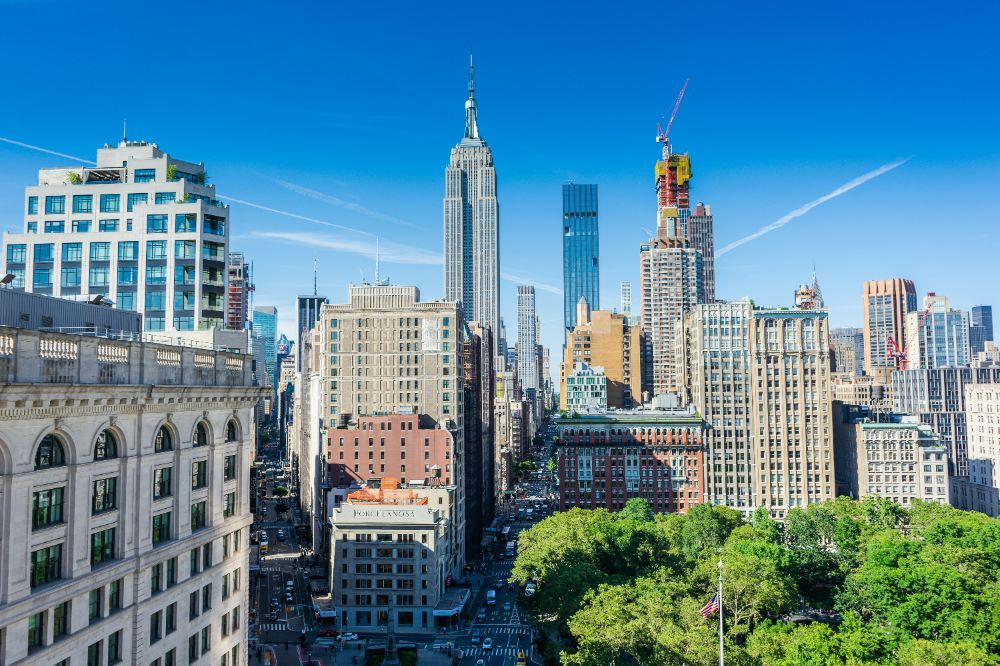
The architectural landscape of New York City is profoundly influenced by the strategic use of air rights. Developers leverage these rights to build higher, resulting in the iconic skyscrapers that punctuate the skyline. This vertical expansion not only maximizes land use but also contributes to the city's unique aesthetic and functionality.
Notable Examples
Several prominent buildings owe their heights to air rights acquisitions. One57, a luxury residential skyscraper in Midtown Manhattan, reaches 75 stories thanks to this practice. The Hudson Yards project on the West Side shows how air rights can create entirely new urban spaces, combining residential, commercial, and recreational areas in one development.
Real Estate Value
Air rights transactions can command premium prices. In a city where horizontal expansion is severely limited, they represent a significant financial asset. For developers and property owners, air rights unlock lucrative development opportunities and enhance property values.
The Role of Architecture and Interior Design Firms
Air rights present both challenges and opportunities for architecture firms. Designers must comply with zoning regulations while maximizing the potential of acquired air rights. This often requires innovative solutions that balance structural integrity with aesthetic appeal.
Projects such as the slender, ultra-tall residential towers, known as "pencil towers," exemplify the creative use of air rights. These buildings, despite their narrow footprints, achieve remarkable heights and offer premium living spaces, showcasing the ingenuity of architects in leveraging vertical space.
Interior design companies also play a crucial role. They optimize interiors within high-rise structures, ensuring every square foot is functional and aesthetically pleasing. This synergy between architecture and interior design enhances the overall value of air rights properties.
Challenges and Criticisms of Air Rights
While air rights have facilitated much of NYC's vertical growth, they come with challenges. One major concern is the financial burden of acquiring these rights. Costs can be prohibitive for smaller developers and often lead to significant construction and maintenance expenses.
The acquisition process also involves navigating a complex web of regulations and approvals. It can be time-consuming and requires specialized knowledge for legal compliance. Expediters and project development firms often help developers manage these bureaucratic hurdles.
Critics also argue that extensive air rights use can lead to overdevelopment. Key concerns include:
- Strained infrastructure from increased density
- Reduced quality of life for nearby residents
- Shadowing effects from tall buildings blocking sunlight
- Potential for overcrowding in surrounding areas
The Future of NYC's Skyline
Air rights will continue to shape New York City's skyline. Emerging trends likely to influence future developments include:
- Integration of green spaces into high-rise projects
- Sustainable design practices and energy efficiency
- Regulatory changes refining how air rights are utilized
- Balancing urban growth with long-term planning goals
The evolution of air rights reflects NYC's dynamic nature, constantly adapting to its growing population. As development practices advance, air rights will remain key to defining the city's architectural landscape.