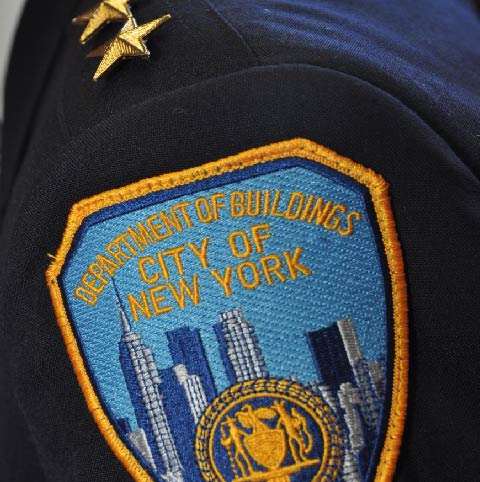
The New York City Building Code governs the construction, alteration, and maintenance of buildings across the city. One of its most critical sections is Chapter 33, which focuses on "Safeguards During Construction or Demolition."
This chapter protects workers, pedestrians, and adjacent properties during construction activities. Its regulations prevent accidents, minimize community disruptions, and are essential reading for construction managers, developers, and contractors working in NYC.
Key Provisions of Chapter 33
Chapter 33 covers a wide range of safety measures and requirements. Here are some of the most important provisions:
1. Site Safety Plans and Programs
Construction projects of a certain size and complexity must have a site safety plan. This plan covers safety measures such as:
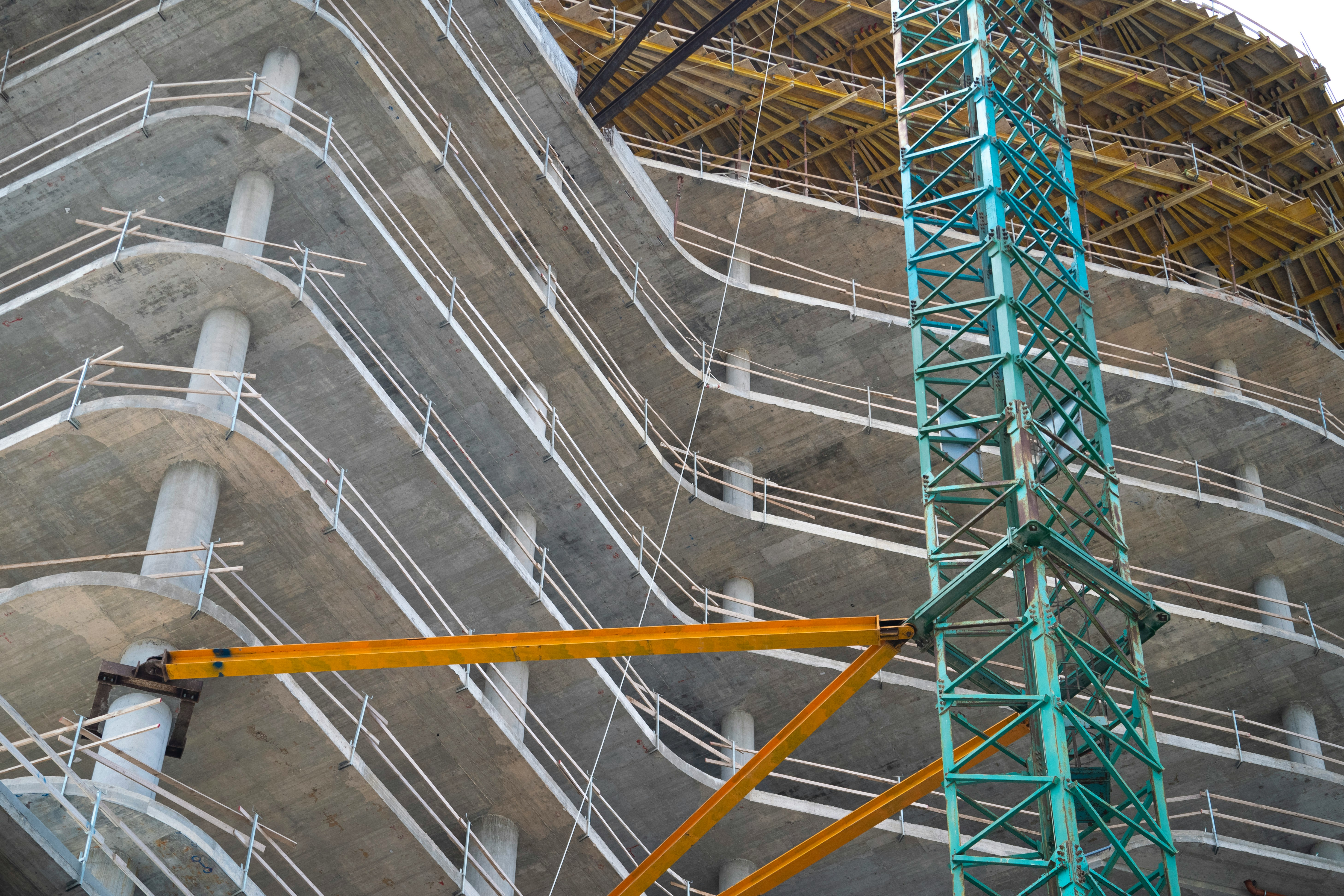
- Safety netting and guardrails
- Protective walkways
- Designation of a site safety manager or coordinator
The safety manager oversees implementation and ensures compliance with the plan.
2. Protection of Pedestrians
Protecting pedestrians is a primary concern during construction. Chapter 33 requires sidewalk sheds, fences, and barriers to guard against falling debris and other hazards. These structures must be properly designed, installed, and maintained throughout construction.
3. Protection of Adjacent Properties
To prevent damage to neighboring buildings, Chapter 33 mandates measures such as underpinning, shoring, and bracing. These techniques stabilize adjacent structures and prevent collapse or movement.
Pre-construction surveys and monitoring programs are often required. They assess and document the condition of adjacent properties before work begins.
4. Excavation and Foundation Work
Excavation and foundation work pose significant risks. Chapter 33 sets stringent requirements, including specific procedures for:
- Soil removal
- Support of excavation walls
- Safe installation of foundations
5. Demolition Safety
Demolition is inherently dangerous, and Chapter 33 outlines comprehensive safety protocols. Requirements include:
- Systematic dismantling of structures
- Dust control measures
- Safe removal of hazardous materials
6. Construction Equipment
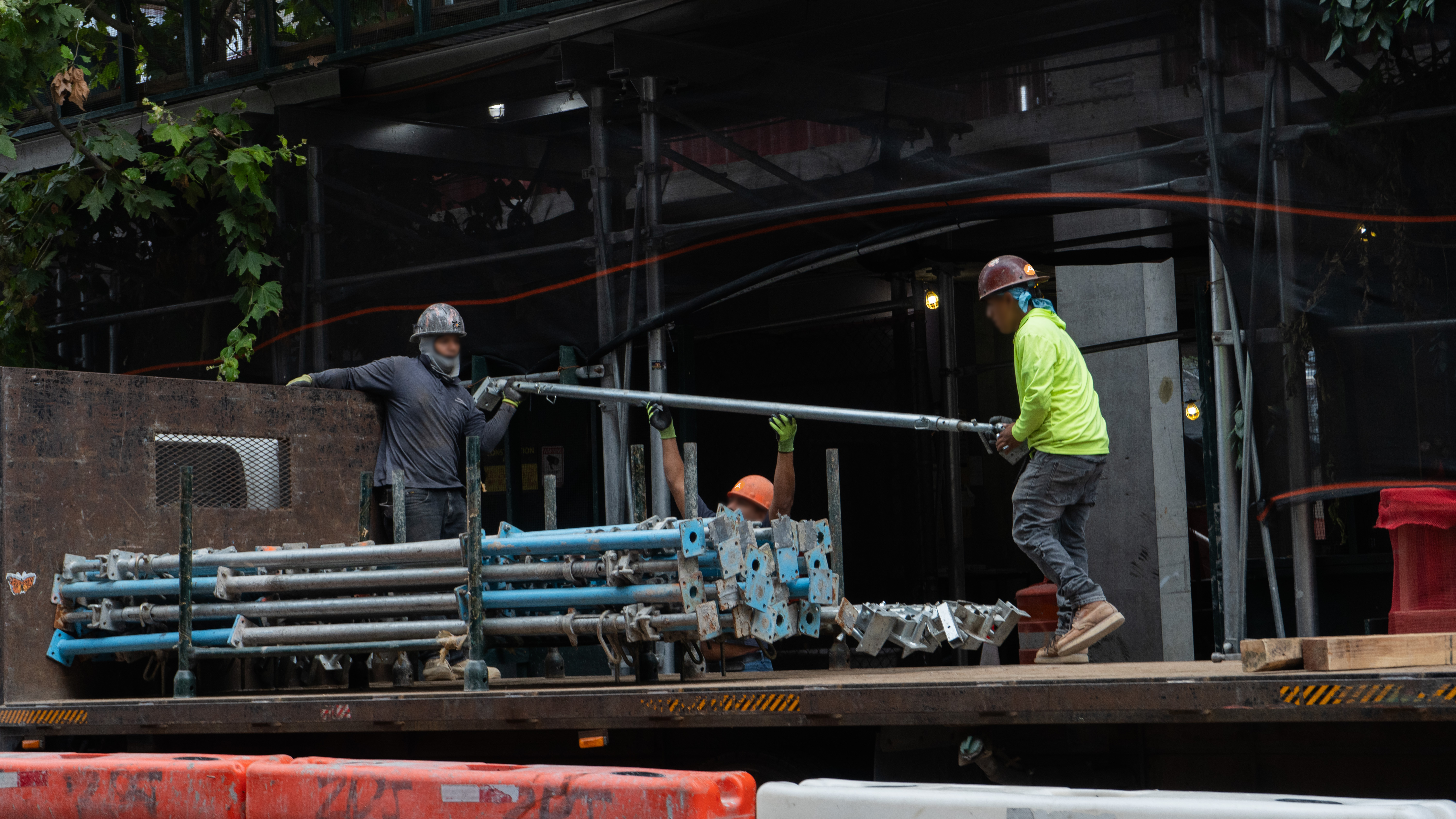
Cranes, hoists, and scaffolding are regulated under Chapter 33. Equipment must be regularly inspected, maintained, and operated by qualified personnel. Specific guidelines also govern safe scaffolding installation to prevent falls.
7. Fire Safety
Fire hazards are a significant concern on construction sites. Chapter 33 regulations cover:
- Storage and handling of flammable materials
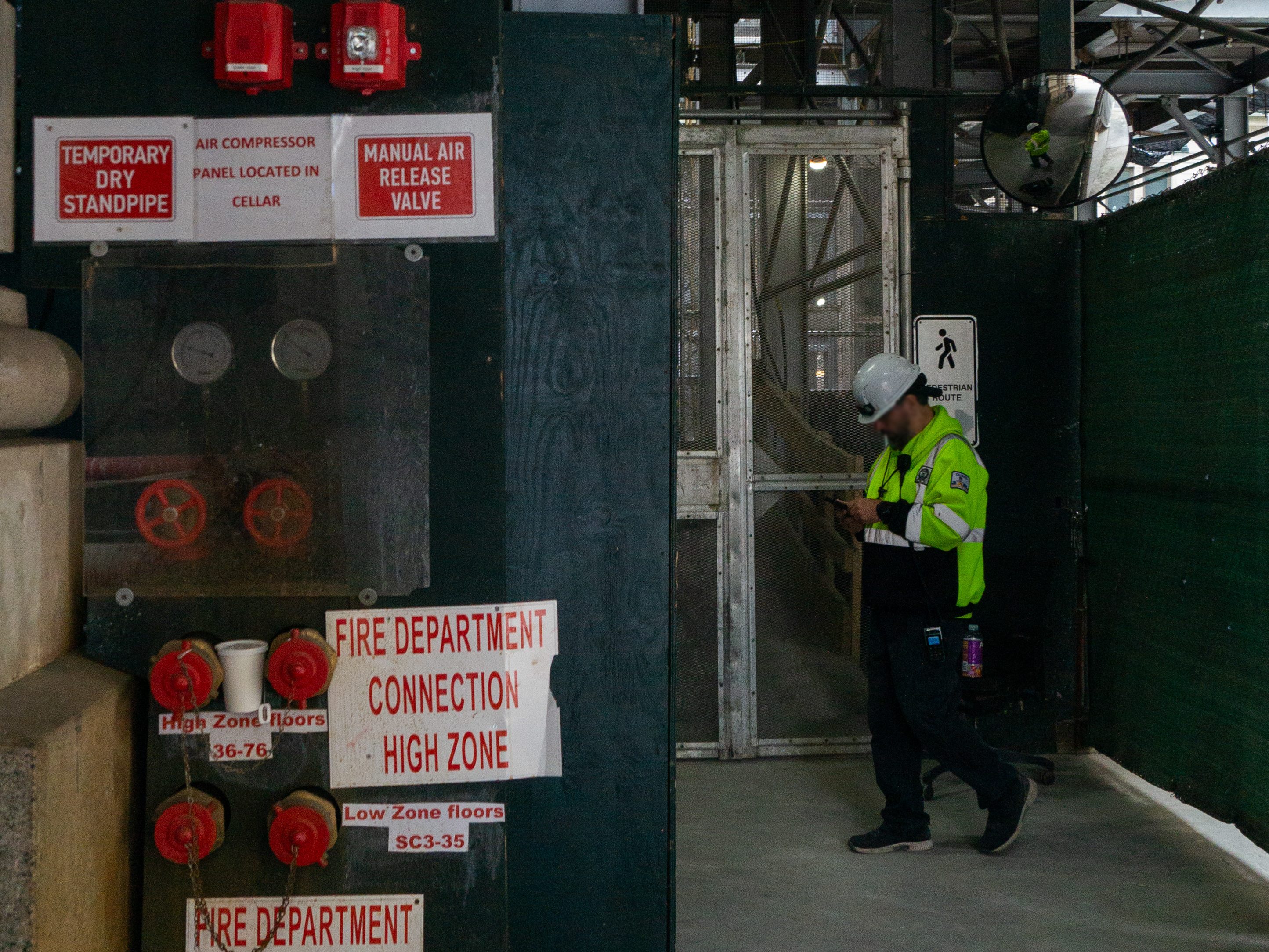
- Installation of temporary fire protection systems
- Development of emergency evacuation plans
The Role of Permit Expediters in Chapter 33 Compliance
Navigating the complexities of Chapter 33 compliance can be challenging, especially for large-scale construction projects. Permit expediters play a crucial role in ensuring that all necessary safety measures are in place and that construction activities comply with the regulations outlined in Chapter 33.
What Expediters Do
Permit expediters assist in preparing and submitting detailed site safety plans. They ensure all required documentation is complete and accurate. As intermediaries between developers, contractors, and city officials, they facilitate clear communication and swift issue resolution.
When specific safety measures or variances are needed, expediters help craft and present the case to relevant authorities. This increases the likelihood of approval.
Benefits Beyond Compliance
Expediters help streamline the permitting process, keeping projects on schedule and within budget. By managing the details of Chapter 33 regulations, they allow construction teams to focus on other critical aspects of their projects.
Impact of Chapter 33 on Construction Practices
Chapter 33 has a profound impact on construction practices in NYC. By mandating comprehensive safety measures, it significantly reduces the risk of on-site accidents and injuries. Site safety plans and dedicated safety personnel ensure that safety remains a top priority.
Promoting a Safety Culture
The regulations promote a culture of safety across the construction industry. Contractors and developers are more aware of potential hazards and better equipped to address them. This protects workers, pedestrians, and adjacent properties.
Driving Innovation
Chapter 33 also encourages innovation in construction safety. Stringent requirements drive the development of new technologies, including:
- Advanced monitoring systems
- Automated safety equipment
- Improved construction materials
Conclusion
Chapter 33 of the NYC Building Code is a critical component of construction and demolition safety. Its regulations protect workers, pedestrians, and adjacent properties from potential hazards. Compliance is essential for all construction professionals in NYC.
Permit expediters play a vital role in navigating Chapter 33 requirements. They streamline the permitting process and ensure all necessary safety measures are in place. By prioritizing safety and innovation, Chapter 33 contributes to safer construction practices and a more resilient urban environment.