Zoning is a critical aspect of urban planning that shapes the development of cities and towns. It divides land into zones where specific uses are permitted or prohibited.
Local governments designate permitted uses based on mapped zones, including residential, commercial, industrial, agricultural, and mixed-use areas. Zoning laws regulate building types, heights, densities, and structure placement. The primary goal is to ensure land is used efficiently while balancing growth with community well-being.
Key Purposes of Zoning
Zoning serves several purposes that contribute to orderly development and community welfare:
- Preventing land use conflicts: Separates incompatible uses like industrial facilities and residential neighborhoods.
- Community planning: Preserves open spaces, historical areas, and supports public amenities like parks and schools.
- Environmental protection: Safeguards environmentally sensitive areas through land use regulation.
- Economic development: Designates areas for commercial and industrial use, promoting job creation and investment.
- Health and safety: Ensures buildings meet standards that protect resident well-being.
Types of Zoning
There are several types of zoning that cater to different aspects of urban development:
- Residential Zoning: This type of zoning regulates land use for housing. It includes rules on the types of residential buildings allowed, such as single-family homes, multi-family apartments, and townhouses. Residential zoning also addresses issues like building heights, lot sizes, and setbacks from property lines.
- Commercial Zoning: Commercial zoning governs areas designated for business activities. It includes regulations for retail stores, offices, restaurants, and entertainment venues. Commercial zoning often considers the impact of businesses on traffic, parking, and neighboring residential areas.
- Industrial Zoning: This zoning category is for manufacturing and industrial activities. It regulates factories, warehouses, and distribution centers, ensuring that these activities do not negatively affect nearby residential or commercial areas.
- Agricultural Zoning: Agricultural zoning is used to preserve farmland and agricultural activities. It restricts non-agricultural uses and promotes farming, livestock raising, and related industries.
- Mixed-Use Zoning: Mixed-use zoning allows for a combination of residential, commercial, and sometimes industrial uses within a single development or area. This zoning type promotes walkable neighborhoods and reduces the need for extensive commuting.
Zoning in New York City
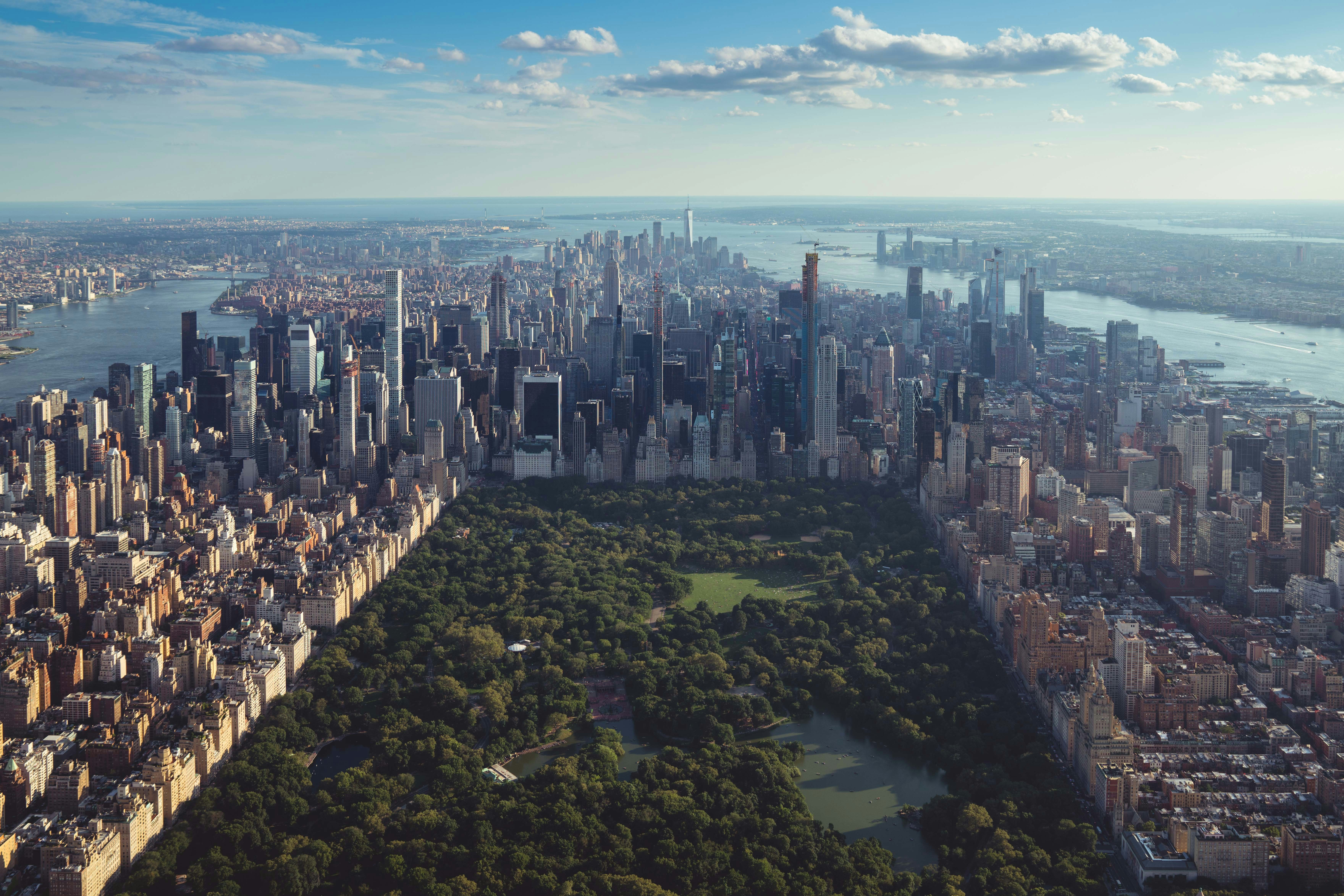
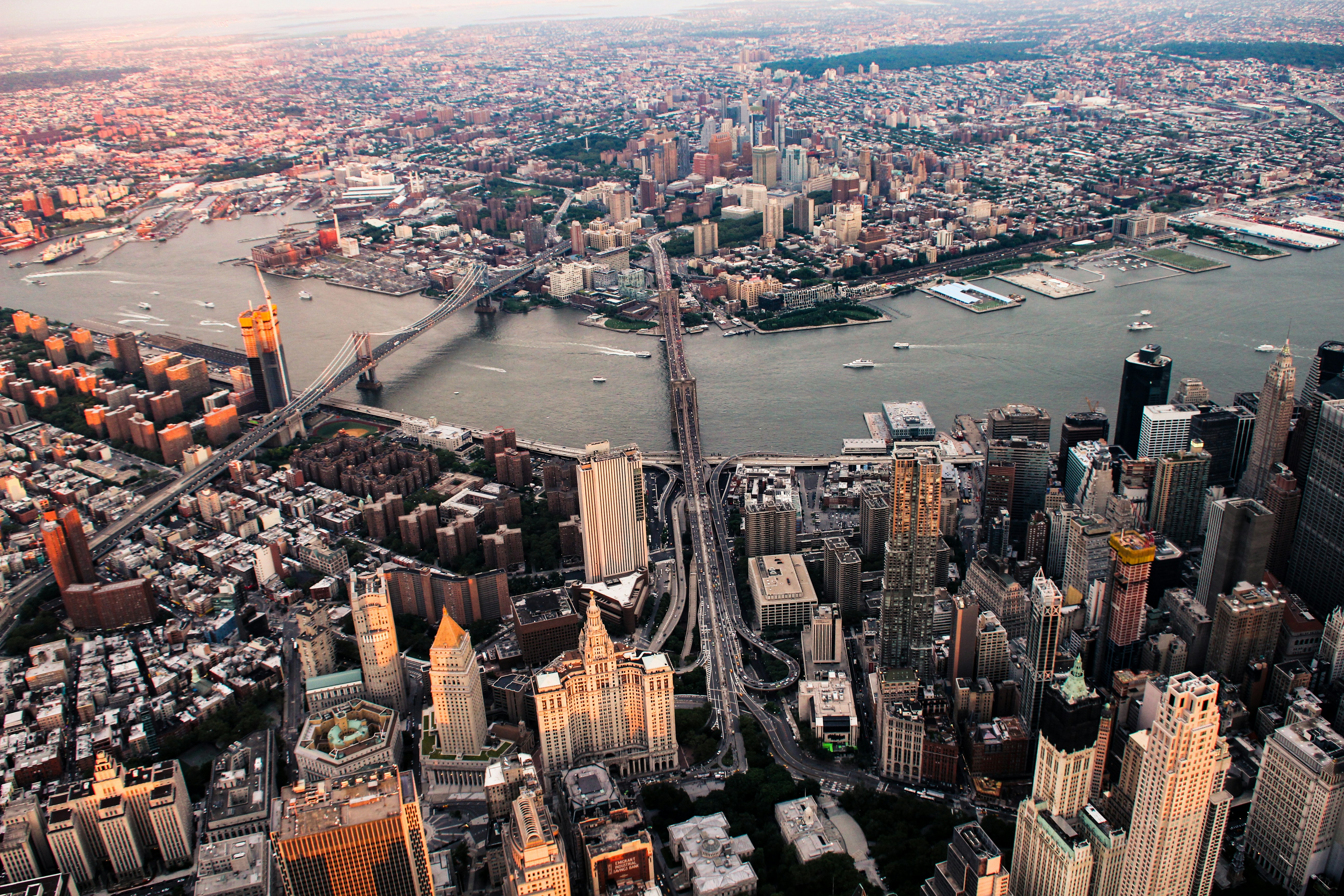
In NYC, zoning plays a crucial role in shaping the city's diverse urban landscape. The NYC Zoning Resolution, established in 1916, governs land use across all five boroughs. It has been revised multiple times since its creation.
The regulations are divided into three main categories, each with subcategories for permitted uses and development standards:
- Residential Districts: These districts regulate various types of housing, from single-family homes to high-rise apartment buildings. The regulations include density controls, minimum lot sizes, and building height limits to ensure that residential areas are livable and sustainable.
- Commercial Districts: NYC's commercial districts cater to a wide range of business activities, from small retail shops to large office buildings. Zoning regulations in these areas consider factors like street-level activity, pedestrian flow, and compatibility with nearby residential areas.
- Manufacturing Districts: Manufacturing districts are designated for industrial and manufacturing activities. These zones are carefully planned to minimize conflicts with residential and commercial areas, focusing on heavy industry, warehousing, and transportation infrastructure.
NYC also employs special zoning districts to address unique urban planning challenges. These include:
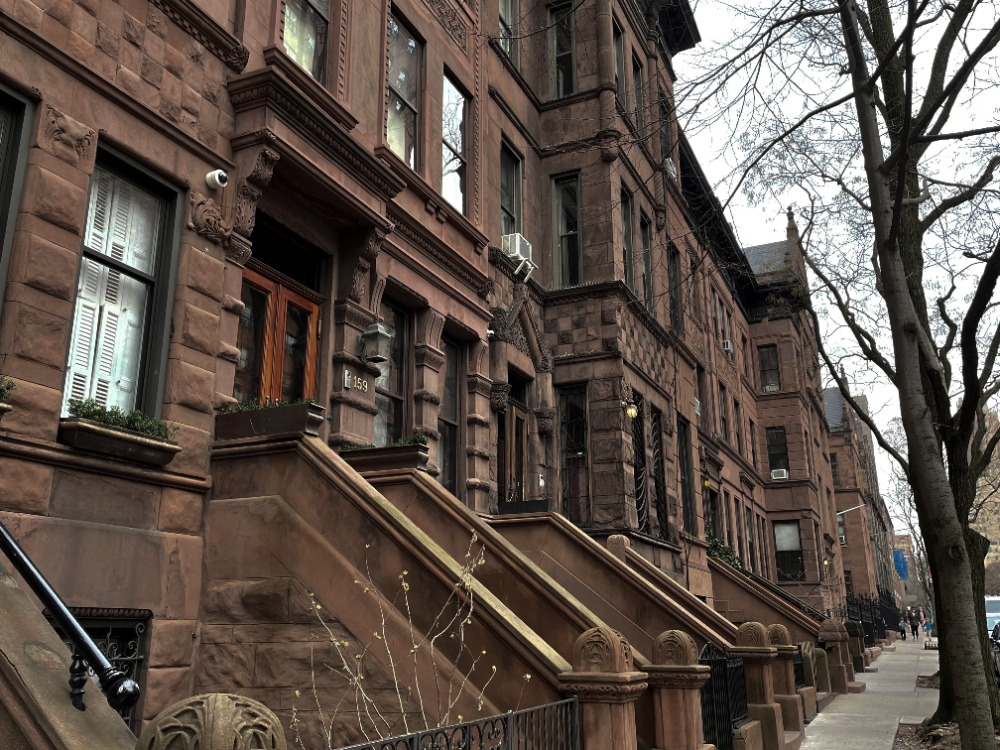
- Historic Districts: Designed to preserve the architectural and historical character of specific areas.
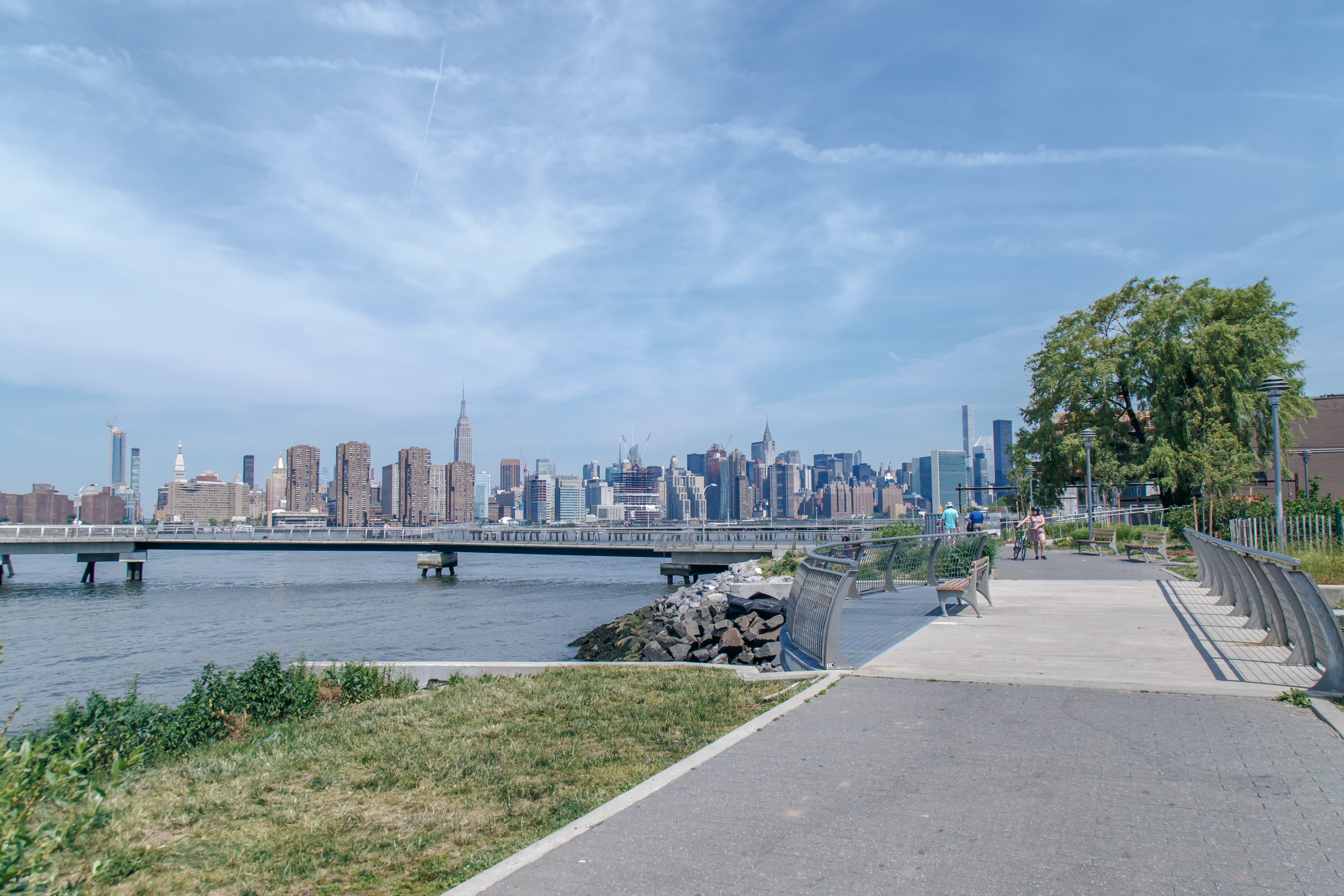
- Waterfront Zones: Regulate development along the city's extensive waterfront to ensure public access and environmental protection.
- Planned Communities: Areas where large-scale developments are guided by comprehensive planning principles to create balanced, self-sustaining communities.
The Zoning Process
The zoning process involves several key steps managed by local planning and zoning boards.
Step-by-Step Process
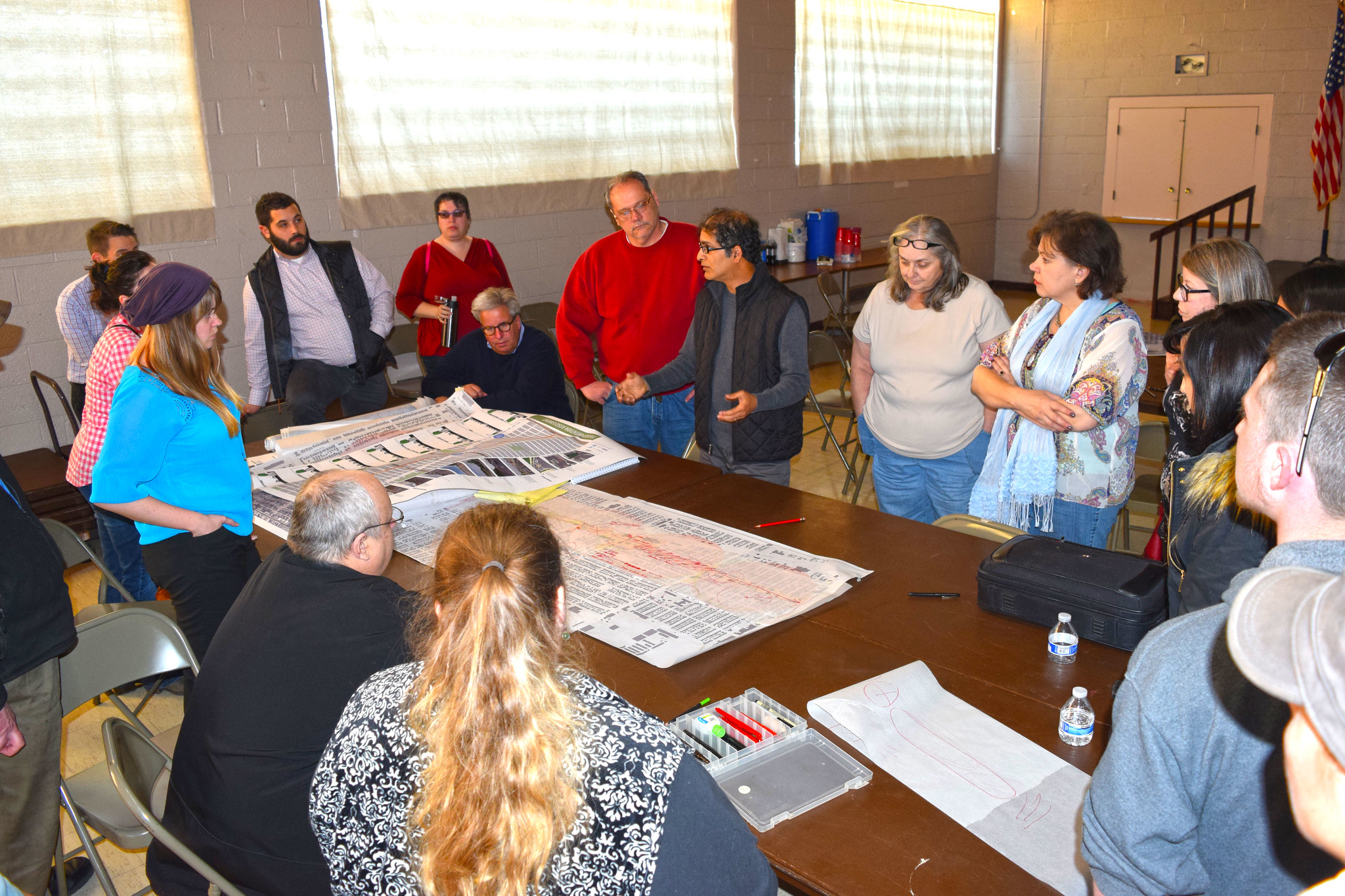
- Developing ordinances: Local governments create or update zoning laws through public input, expert consultations, and alignment with urban planning goals.
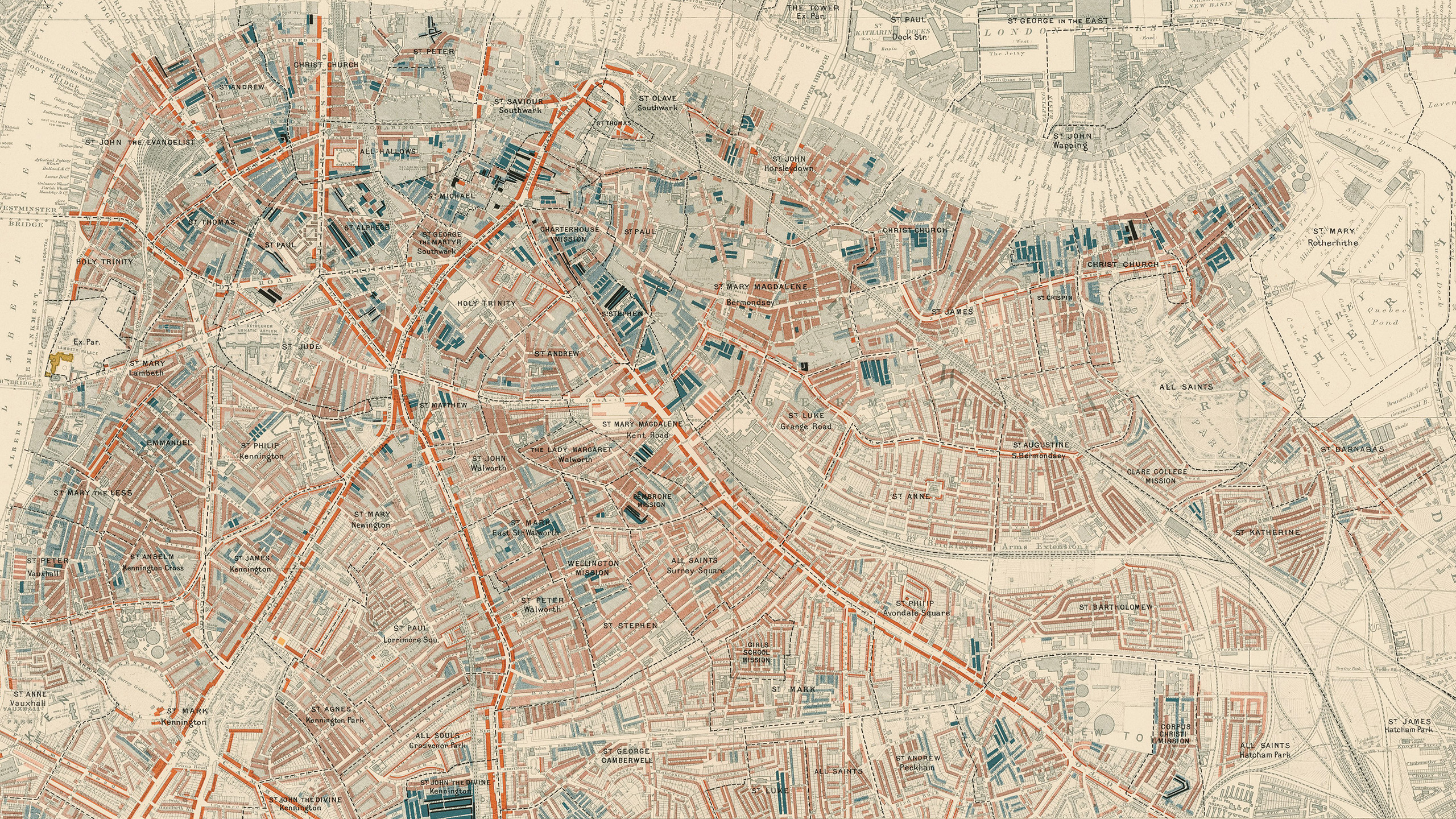
- Creating the zoning map: A visual representation of zoning districts shows where different land uses are permitted. This is essential for property owners, developers, and city officials.
- Applying for permits: For new construction or major renovations, owners must apply for zoning permits. This involves detailed plans, public hearings, and zoning board reviews.
- Requesting variances: If a project does not conform to current regulations, owners can apply for an exception by demonstrating undue hardship or unique circumstances.
Local governments enforce zoning regulations, address violations, and update laws as needed. This enforcement maintains orderly growth and protects community interests.
The Role of a Zoning Expediter
Navigating zoning complexities can be challenging, especially for commercial developers. A zoning expediter specializes in managing this process and ensuring all permits and approvals are obtained efficiently.
What a Zoning Expediter Does
- Prepares and submits permit applications with thorough, accurate documentation.
- Crafts compelling variance cases and presents them to zoning boards.
- Acts as a bridge between developers and city officials.
- Oversees compliance with local zoning laws to prevent legal complications.
This comprehensive support allows developers to focus on other project elements. They can be confident that the zoning aspects are being expertly managed.
Conclusion
Zoning is a fundamental aspect of urban planning. It regulates land use, ensures community well-being, and balances growth with environmental and historical preservation.
Understanding how zoning works is crucial for anyone involved in property development, especially in NYC. With zoning experts, navigating this process becomes more manageable and ensures projects comply with all regulations. For a closer look at how developers exceed standard zoning limits through the trade of unused development potential, see our deep dive on how air rights shape NYC's skyline.