Starting a construction project in New York City introduces a distinctive array of challenges. The most prominent is the intricate process of securing the necessary permits.
At the heart of this process is a file representative. This professional steers through the bureaucracy of the NYC Department of Buildings (NYC DOB) and other critical departments, including:
- The Fire Department (FDNY)
- The Department of Transportation (DOT)
- The Landmarks Preservation Commission
This guide highlights the key role of expeditors in making permitting simpler for project managers. Their work ensures compliance with all local rules and codes.
This clears a smoother path to getting your project done.
Understanding the Importance of Building Permits
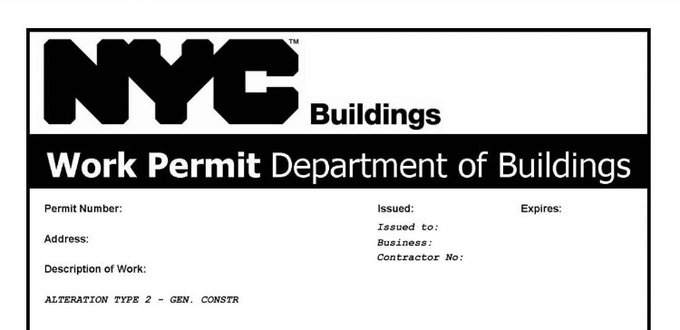
Building permits are required to legally carry out construction projects. They confirm compliance with the city's building codes, zoning laws, and safety rules.
A permit is a stamp of approval from the DOB. It means your project meets all required standards.
Consequences of Skipping Permits
The consequences of skipping the permit process are significant. They can lead to hefty fines, legal issues, and enforcement actions such as:
- Post Amendment Approval (PAA) violations
- Work Without Permit citations
- Letters of Non-Compliance
Being found guilty of any of these may require changes, a halt, or even demolition of the project.
Permits as Public Record
Building permits are also public records. They boost transparency and accountability in development.
Groups like neighborhood associations, environmental advocates, and safety officials can review them. This helps ensure projects benefit the community and the environment.
Understanding Soft Costs
In the industry, permit costs are often called "soft costs." These can also include marketing or insurance expenses.
Knowing the full financial impact of compliance is important for project budgeting.
The Complexities of Regulatory Oversight in NYC
NYC's permitting process goes beyond the DOB. Projects often need approval from several other city departments. Each has its own focus and rules:
- Department of Environmental Protection (DEP) -- environmental protection and sustainability
- Landmarks Preservation Commission -- historic preservation
- Fire Department (FDNY) -- fire safety standards and emergency access
- Department of Transportation (DOT) -- impact on traffic and pedestrian pathways
- Department of Parks and Recreation -- projects adjacent to or impacting public parks
These departments review projects from many angles. They look at environmental impact, historic preservation, public safety, and community well-being.
Identifying the Permits Required
NYC's regulatory landscape requires a wide variety of permits. These can span:
- Construction permits
- Electrical permits
- Plumbing permits
- Mechanical permits
- Environmental permissions
Finding every required permit is a critical first step. Missing even one can cause delays, legal trouble, or fines.
Overlapping city department rules make this even harder.
The Role of Zoning and Code Specialists
Zoning and code specialists guide project teams through the maze of permits. They know zoning rules and department requirements inside and out.
Their help ensures all permits are found and filed correctly.
Steps to Obtaining a Building Permit
Step 1: Pre-Application Research
Start with deep research into DOB requirements and other local rules. Bring in a file representative early.
They help you understand zoning laws, environmental limits, and historic preservation needs. They also identify which permits you need.
Step 2: Preparing Your Application
An expeditor helps compile all needed documents. These include:
- Detailed project plans
- Environmental impact assessments
- Historic preservation reviews
- Any other department-specific requirements
Their role is to make sure your application is complete. It must meet the standards of the NYC DOB and other reviewing bodies.
Step 3: Application Submission
An expeditor's knowledge of the DOB and other departments makes this step smoother. At pre-filing, payment covers fees for plan examiner reviews.
File representatives handle questions from reviewing officials across all departments.
This stage usually takes two to three weeks. Complex projects may take longer.
Step 4: Adjustments Based on Feedback
The DOB or other departments may ask for changes to your plans. Expeditors are skilled at reading objections and making fixes fast.
A failed plan exam does not mean the project is over. It just means adjustments are needed. Expeditors keep things moving forward.
Step 5: Achieving Permit Approval
Getting final permit approval is a major milestone. It means you can start construction or renovation work.
File representatives help wrap up any remaining fees. They collect the approved permits and make sure all paperwork is ready.
Step 6: Routine Inspections
During construction, expeditors help manage the inspection process. They make sure the project follows approved plans and stays in compliance.
Their guidance is key when preparing for DOB inspections. They also handle any issues that come up quickly.
Tips for a Smoother Permitting Process
- Start early: Begin the permitting process as soon as possible. A permit expeditor can help you avoid delays.
- Use expert help: Use permit expeditors to handle NYC's complex regulatory rules.
- Keep communication open: Stay in touch with the DOB and other departments throughout the process. Your expeditor can help with this.
- Stay organized: Keep all documents in order and easy to access. This includes certificates of occupancy and special district rules. Expeditors are great at this.
The Path to Compliance & Success
With an expeditor's support, project managers can handle the permitting process with ease and confidence. This partnership takes care of the logistics of getting permits.
It also builds a culture of compliance and responsibility. The end result is construction that helps the city grow. It meets the highest standards of safety, environmental care, and community well-being.