NYC Property Regulators: DOB, FDNY, LPC & Your Compliance
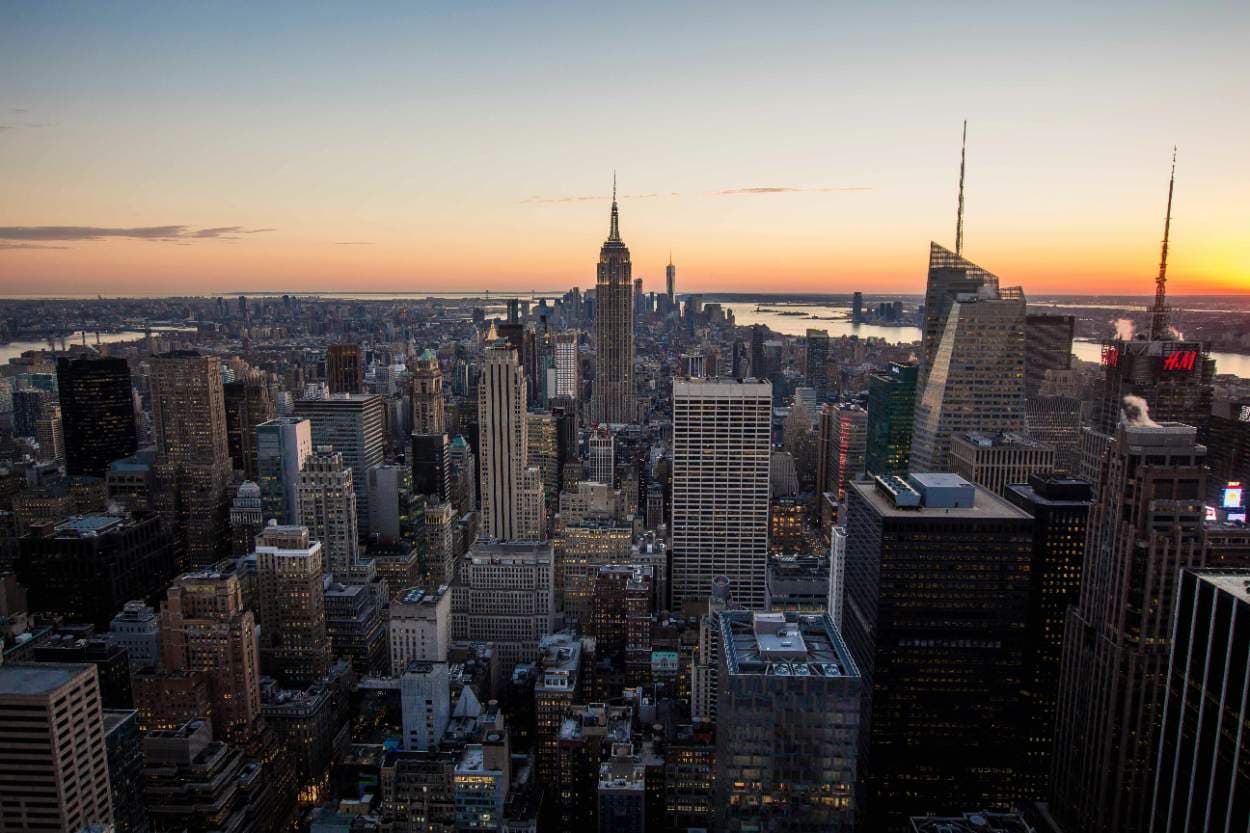
New York City's urban landscape is a marvel of engineering and history, but behind every iconic skyscraper and historic brownstone lies a complex web of regulations designed to ensure safety, preserve heritage, and maintain order. For property owners, developers, and contractors, understanding the roles of key regulatory bodies like the Department of Buildings (DOB), the Fire Department of New York (FDNY), and the Landmarks Preservation Commission (LPC) isn't just about avoiding penalties – it's fundamental to successful property management and project execution. This comprehensive guide will demystify who regulates your property and why their oversight is paramount.
Navigating the intricacies of NYC's regulatory environment can be daunting. Each agency has a distinct jurisdiction, often overlapping in ways that require careful project coordination and expertise. Ignoring these regulations can lead to costly delays, substantial fines, and, in severe cases, dangerous conditions or even a Stop Work Order. Let's delve into the roles of these vital city agencies.
The Department of Buildings (DOB): Guardians of Construction and Safety
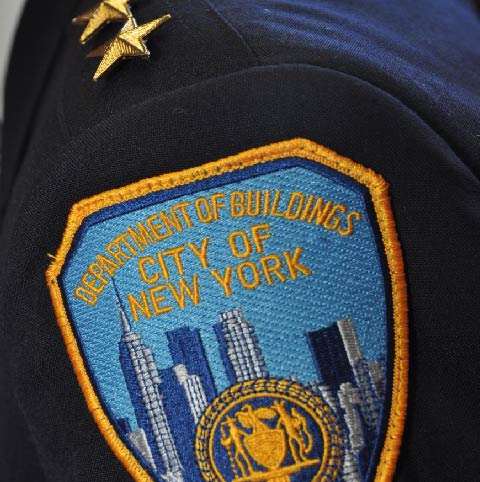
The New York City Department of Buildings (DOB) is arguably the most impactful regulatory body for property owners. Its primary mission is to ensure the safety of all people receiving construction or renovation services and people occupying buildings in New York City by regulating the physical integrity of buildings and construction sites. The DOB enforces the NYC Construction Codes and Zoning Resolution, covering everything from initial design and construction to ongoing maintenance and alterations.
Key Responsibilities of the DOB:
- Permit Issuance – The DOB reviews and issues permits for virtually all construction, demolition, and alteration work in the city. This includes everything from minor interior renovations to complex new building constructions (NB filings).
- Plan Examination – They examine architectural and engineering plans to ensure compliance with building codes, zoning regulations, and other city ordinances.
- Inspections – DOB inspectors conduct site visits during various phases of construction to ensure work is proceeding according to approved plans and safety standards.
- Violation Enforcement – When non-compliance is identified, the DOB issues DOB violations, which can range from administrative fines to severe penalties like Stop Work Orders.
- Worker Safety – They oversee safety regulations for construction workers, issuing citations for violations that threaten their well-being.
- Certificate of Occupancy (C of O) – The DOB issues the final Certificate of Occupancy, which legally permits a building to be used for its intended purpose. Without a valid C of O, a building generally cannot be legally occupied.
Understanding DOB requirements is crucial for any project. Engaging a skilled permit expediter can significantly streamline the approval process and prevent common pitfalls.
The Fire Department of New York (FDNY): Ensuring Fire Safety and Prevention
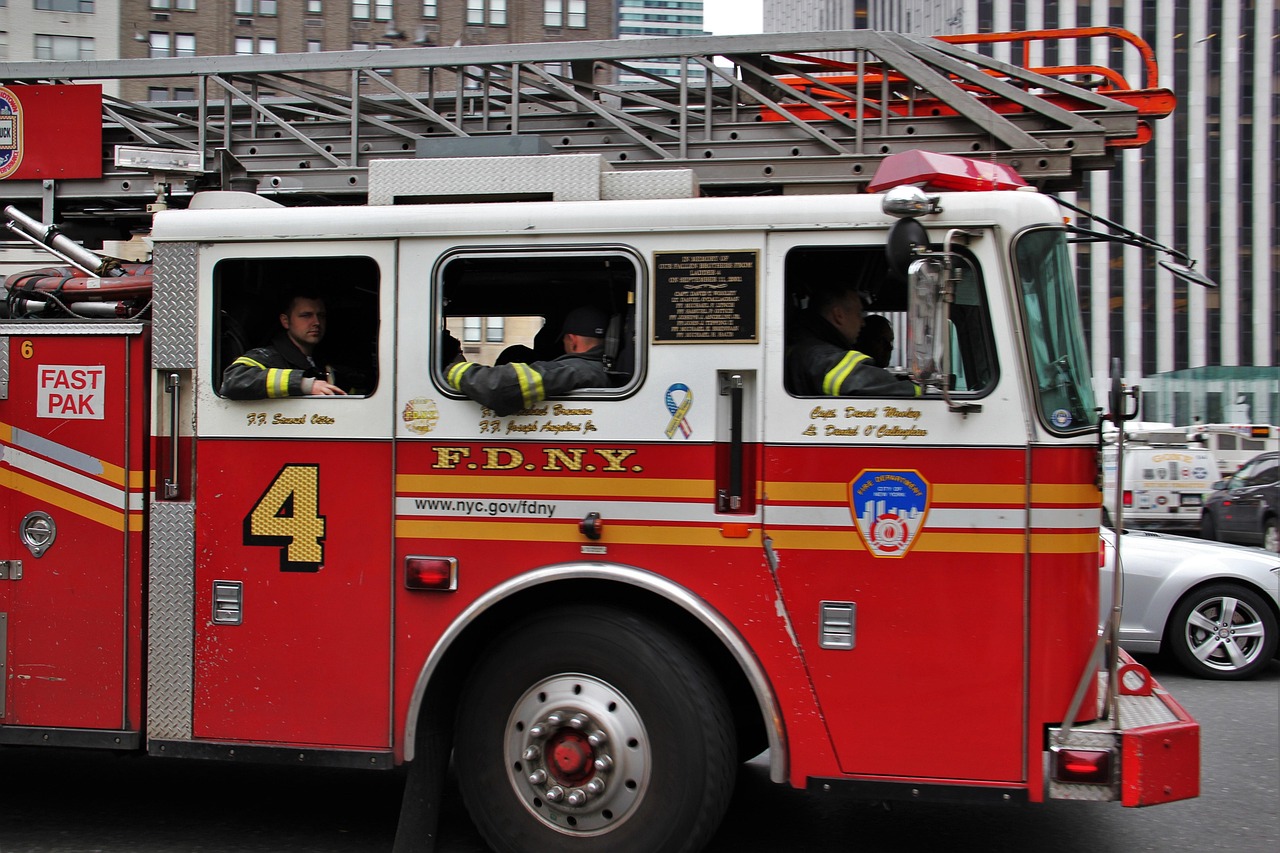
The FDNY is world-renowned for its rapid response and firefighting capabilities, but its role extends far beyond extinguishing blazes. The FDNY is a critical regulatory body responsible for enforcing fire codes, ensuring fire safety in buildings, and preventing fires through inspections and public education. Their jurisdiction covers a vast array of fire prevention systems, hazardous materials, and emergency preparedness.
Key Responsibilities of the FDNY:
- Fire Code Enforcement – The FDNY enforces the NYC Fire Code, which governs fire safety practices, building systems, and hazardous materials storage.
- Permits and Approvals – They issue permits for activities/installations posing fire hazards, such as the storage of flammable liquids, certain types of cooking equipment, and fire suppression system installations.
- Inspections – FDNY inspectors conduct regular inspections of commercial, residential, and public buildings to ensure compliance with fire safety regulations, including those related to sprinkler systems, fire alarms, emergency exits, and standpipes.
- Violation Issuance – Non-compliance can lead to FDNY violations, which require prompt resolution and can incur significant fines.
- Emergency Planning – The FDNY is involved in developing and reviewing emergency action plans, especially for high-rise buildings and facilities with large occupancy.
Compliance with FDNY regulations is not just about avoiding fines; it's about safeguarding lives and property. Property owners must ensure their fire safety systems are up-to-date and regularly maintained. More information can be found on the official FDNY website.
The Landmarks Preservation Commission (LPC): Protecting NYC's Heritage
New York City's rich history is evident in its stunning architecture. The Landmarks Preservation Commission (LPC) is responsible for protecting the city's architecturally, historically, and culturally significant buildings and sites. When a property is designated as a landmark or is located within a historic district, the LPC's oversight becomes a crucial factor in any proposed alteration or construction work.
Key Responsibilities of the LPC:
- Landmark Designation – The LPC designates individual landmarks, scenic landmarks, and historic districts, affording them legal protection.
- Review of Proposed Work – Any work affecting the exterior (and sometimes interior) of a landmarked building or a building within a historic district requires LPC review and approval, even if it's considered minor by DOB standards. This includes installing new windows, changing facades, adding air conditioning units, or even certain painting choices.
- Certificates of No Effect, Appropriateness, and Permits for Minor Work – The LPC issues various certificates and permits depending on the scope and impact of the proposed work on the landmark's significant features.
- Guideline Enforcement – They ensure that alterations are in harmony with the historic character of the building or district. This often involves specifying materials, design elements, and construction methods.
Working on a landmarked property requires a specialized approach. Early engagement with a consultant experienced in LPC approvals is essential to navigate the often-lengthy review process. Learn more about their process on the LPC website.
Other Key Agencies and Overlapping Jurisdictions
While DOB, FDNY, and LPC are primary regulators, several other agencies play vital roles:
- Department of Environmental Protection (DEP) – Regulates air and water quality, noise, and hazardous materials. Essential for permits related to boilers, asbestos abatement, and water use.
- Department of Health and Mental Hygiene (DOHMH) – Oversees public health, including lead paint regulations, food service establishment permits, and pest control.
- Department of Housing Preservation and Development (HPD) – Focuses on housing quality and affordability, issuing HPD violations for substandard housing conditions, particularly in residential buildings.
- Environmental Control Board (ECB) / OATH Hearings – The administrative court system primarily responsible for adjudicating many city agency violations, including those issued by DOB, FDNY, and HPD. Navigating ECB violations often requires hearing representation.
Understanding the potential for overlapping jurisdictions is key. For example, a new restaurant might require DOB permits for construction, FDNY permits for kitchen suppression systems, DOHMH permits for food handling, and DEP permits for boiler installation.
Why Does This All Matter to Property Owners?
The implications of failing to comply with these various regulatory bodies are significant:
- Legal and Financial Penalties – Fines can range from hundreds to tens of thousands of dollars, and repeated violations can lead to escalating penalties. Failure to correct violations can block future permits or property sales.
- Loss of Occupancy or Use – A building deemed unsafe by the DOB or FDNY can result in a partial or full vacate order, leading to loss of rental income or business operations. Similarly, operating without a proper Certificate of Occupancy can render a building illegal for its current use.
- Safety Risks – Non-compliance, particularly with DOB and FDNY regulations, poses serious safety risks to occupants, workers, and the public.
- Delays and Project Stoppages – Unapproved work or unaddressed violations can lead to Stop Work Orders, halting projects indefinitely and incurring significant costs.
- Impact on Property Value – Unresolved violations or legal issues with regulatory bodies can significantly diminish a property's market value and make it difficult to sell or refinance. Thorough due diligence during acquisition can uncover these issues.
- Reputational Damage – For developers and contractors, a history of non-compliance can damage reputation and future business opportunities.
Strategies for Effective Compliance
Given the complexity, effective compliance requires a proactive and informed approach:
- Early Engagement – Consult with architects, engineers, and expediting services early in the project lifecycle to understand all applicable regulations.
- Thorough Due Diligence – Before purchasing or developing a property, perform comprehensive property analysis to identify existing violations or compliance challenges.
- Maintain Records – Keep meticulous records of all permits, approvals, inspection reports, and violation resolutions, including Certificates of Correction.
- Regular Inspections and Maintenance – Implement a schedule for routine maintenance and inspections of building systems to preemptively identify and address potential issues.
- Professional Guidance – Partner with experienced compliance professionals and permit expediters who specialize in NYC's regulatory landscape.
- Stay Informed – Regulations can change. Regularly check official government websites like the NYC DOB for updates and new requirements, especially concerning specific local laws like Local Law 11.
Services Offered
BVS supports every step of NYC compliance discussed above. Explore the related services:
- DOB Filings – Expert preparation and submission of all necessary applications to secure approvals for your project.
- DOB Violations – Comprehensive support for resolving and dismissing Department of Buildings violations efficiently.
- Permit Expediting – Streamlining the complex process of obtaining construction and alteration permits from various city agencies.
- Project Coordination – Seamless management of all compliance aspects, ensuring your project meets all regulatory requirements from start to finish.
Navigating the intricate world of NYC's regulatory agencies can be overwhelming, but it doesn't have to be. At BVS, our team of experts understands the nuances of DOB, FDNY, LPC, and other agency requirements. We are dedicated to providing property owners, developers, and contractors with the guidance and support needed to achieve and maintain full compliance, ensuring your projects proceed smoothly and your properties remain safe and legal. Contact us today to learn how we can assist you with your compliance needs.
Services Offered
BVS handles the NYC compliance work behind every topic in this article. Explore the related services below:
Building Violation Removal
End-to-end resolution for DOB, ECB, FDNY and HPD violations.
Permit Expediting
Fast-track DOB, FDNY and DOT permits through every agency portal.
Certificate of Occupancy
Obtain, amend and renew COs and TCOs across all NYC building types.
Property Analysis
Pre-purchase compliance, violation and CO due diligence reports.