Managing property in New York City is a complex endeavor. Ensuring compliance with ever-evolving regulations is a daily challenge. Reactive approaches to violations, complaints, or inspection requirements often result in costly fines, legal battles, and damaged reputations.
Proactive compliance offers a better path. It is a strategic, long-term solution that helps property managers avoid pitfalls while maintaining safe, efficient, and profitable operations.
By embracing preventive measures and staying informed, NYC property managers can navigate the city's regulatory landscape more effectively. Here's how to develop a proactive compliance strategy that keeps your property ahead of potential issues.
Conduct Comprehensive & Routine Inspections
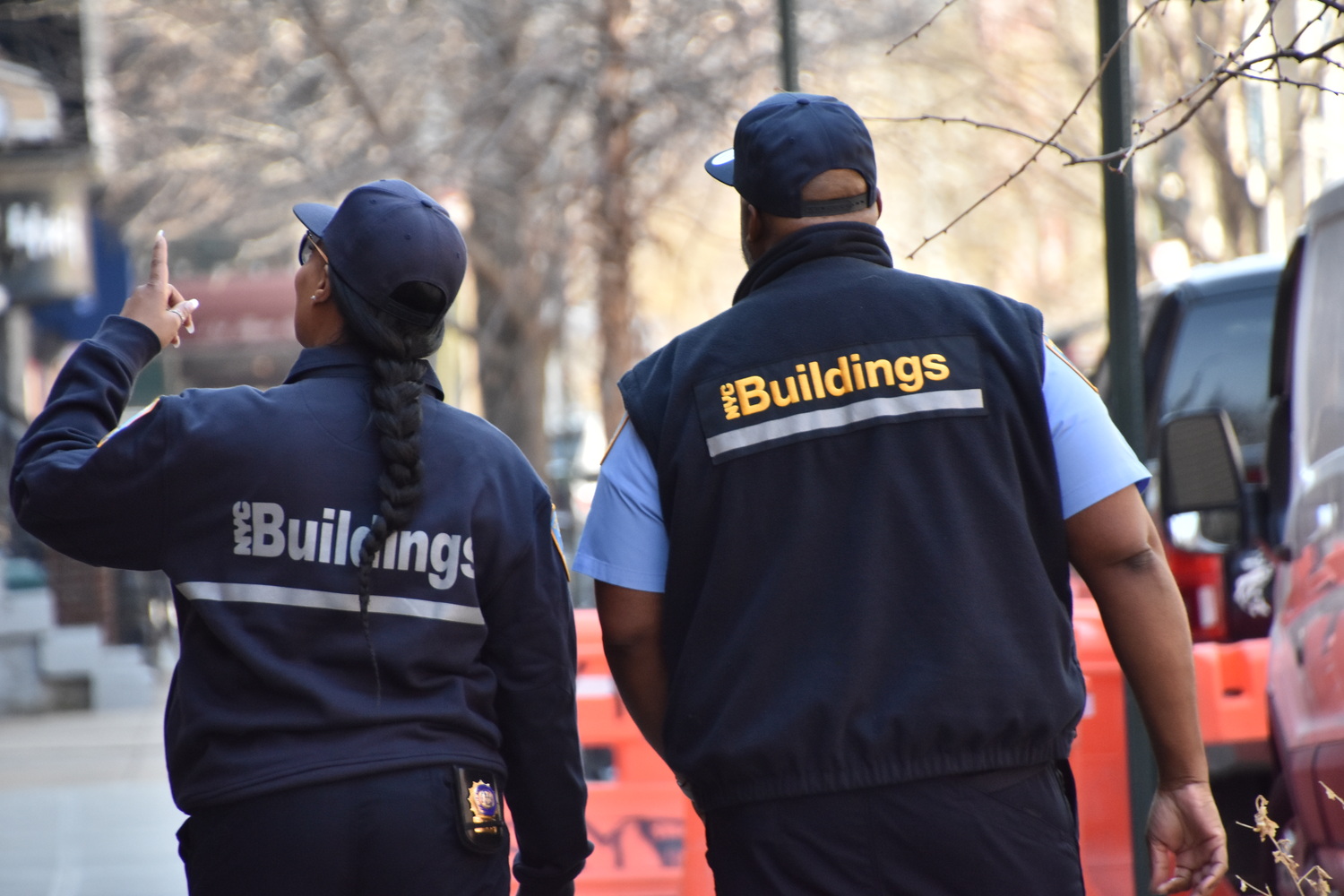
Regular, detailed property inspections form the backbone of proactive compliance. These evaluations help identify maintenance issues, code violations, or safety hazards before they escalate. NYC regulations cover every aspect of a building, making routine inspections critical — especially during spring inspection season when agencies ramp up enforcement.
Key Areas to Inspect
Focus on areas prone to scrutiny during official inspections:
- Fire safety systems -- extinguishers must be operational and alarms tested per FDNY standards
- Emergency exits -- must be clear of obstructions
- Elevators -- require regular servicing to meet Building Code requirements
- Plumbing and electrical infrastructure
- HVAC systems
Document Everything
Document every inspection carefully, noting deficiencies and tracking repair progress. A strong inspection record helps address issues promptly. It also provides evidence of good-faith compliance efforts, which can be critical in mitigating fines or penalties.
Build and Maintain a Culture of Compliance
A successful compliance strategy starts with cultivating a compliance-focused culture across all stakeholders. Everyone involved should understand the importance of adhering to NYC's building codes and feel empowered to report issues.
Empower Tenants
Provide tenants with clear communication channels such as online portals or dedicated phone lines. They should be able to flag maintenance concerns or safety hazards easily. Acting swiftly on tenant reports prevents potential violations and builds trust.
Train Building Staff
Maintenance teams and superintendents play a pivotal role in daily operations. Train them to identify common compliance risks:
- Blocked fire exits
- Damaged structural components
- Outdated systems
Conduct regular meetings to review new regulations or address common areas of concern. When everyone understands their role, the risk of overlooked issues drops significantly.
Stay Informed on Regulatory Changes
NYC's regulatory environment is dynamic, with frequent updates to zoning rules, energy codes, and safety standards. Staying informed is essential. For example, Local Law 97 imposes strict energy efficiency requirements with penalties for non-compliance. Fire safety standards may also require upgrading sprinkler systems or alarms.
How to Stay Current
Develop a system to monitor updates from key agencies:
- Department of Buildings (DOB)
- Fire Department (FDNY)
- Environmental Control Board (ECB)
Subscribe to industry newsletters, attend seminars, or join professional organizations for insights into upcoming changes. Partnering with compliance experts or consultants can also help you prepare for new requirements well in advance.
Proactive preparation avoids fines and ensures your property operates under the latest standards. Planning ahead for upgrades also reduces costs by avoiding rushed, last-minute projects.
Resolve Violations Quickly and Effectively
Unresolved violations can snowball into significant burdens. NYC violations from the DOB, FDNY, or ECB come with escalating penalties if ignored. Beyond fines, they can result in:
- Stop-work orders
- Tenant evacuations
- Liens that hinder property transactions
Steps to Resolve a Violation
Start by reviewing the notice in detail to understand the specific issue and its severity. Minor violations like improper signage may require straightforward fixes. More complex issues such as structural hazards may demand professional expertise. Engage licensed contractors, engineers, or architects to address these problems in accordance with NYC codes.
Once resolved, promptly submit documentation such as a Certificate of Correction to the issuing agency. Following up ensures the violation is officially cleared. Keeping detailed records also streamlines future dealings with regulatory agencies.
Leverage Preventive Maintenance and Technology
Preventive maintenance programs are critical for minimizing risks and staying compliant. Routine service of elevators, boilers, and HVAC units extends their lifespan. It also prevents breakdowns or safety hazards that could lead to violations.
Property Management Technology
Modern property management platforms can:
- Track inspection schedules and send reminders
- Store critical documentation digitally
- Integrate with NYC's DOB NOW platform for permit filings and violation resolutions
Real-Time Monitoring
Smart building systems offer real-time monitoring of critical systems. Fire alarm networks and energy management software can alert property managers to potential issues before they escalate. This enables faster responses and reduces the likelihood of violations.
Conclusion
Proactive compliance is more than a strategy for avoiding fines. It is a pathway to safer buildings, happier tenants, and more efficient operations. By conducting regular inspections, fostering accountability, staying informed, and leveraging modern tools, NYC property managers can navigate compliance with confidence.
In a city as heavily regulated as New York, staying ahead is a necessity. Proactive compliance ensures your property meets today's standards and is prepared for tomorrow's challenges.