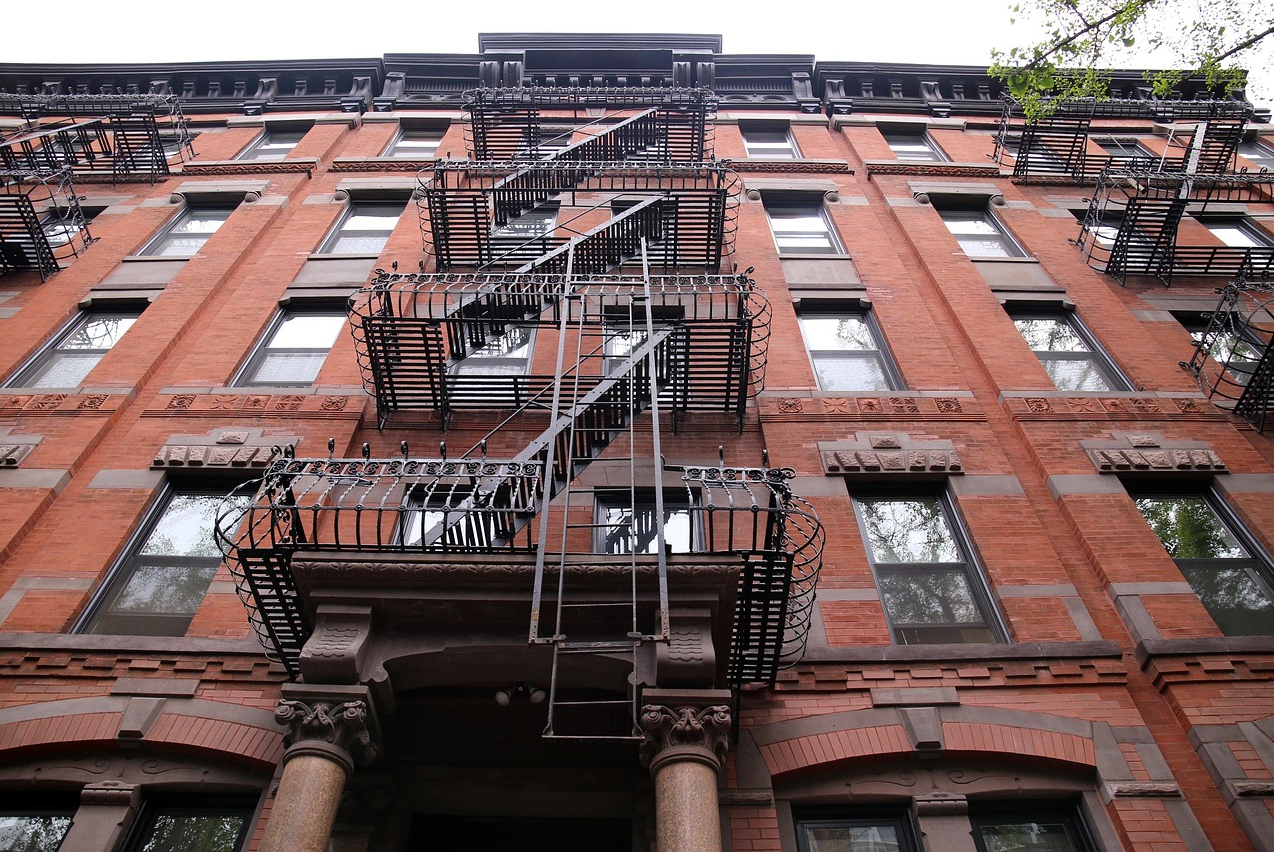
A Certificate of Occupancy [CO] is a critical document in New York City. It signifies that a building complies with all applicable building codes and is safe for occupancy. Without a CO, property owners cannot legally inhabit or utilize their buildings.
The consequences of missing a CO can be severe, both legally and financially. This article explores the importance of obtaining a CO, the legal aspects surrounding it, and the essential role of expediters in navigating compliance with agencies like the Department of Buildings [DOB] and FDNY.
Legal Requirements and Implications of the Certificate of Occupancy
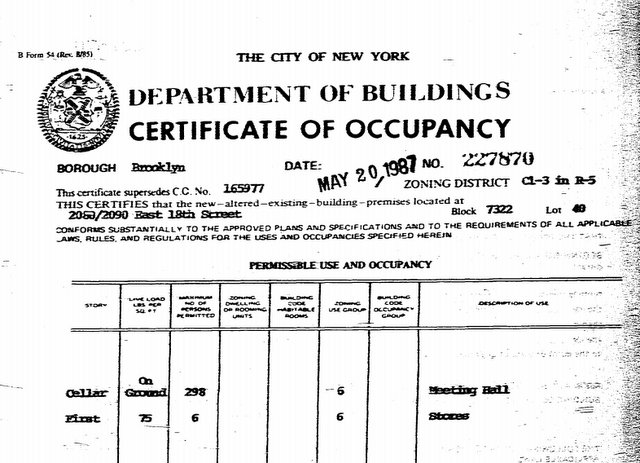
The legal requirements for obtaining a Certificate of Occupancy are stringent and multifaceted. A CO confirms that a building meets all safety codes, zoning laws, and regulations, ensuring it is fit for occupancy. There are different types of COs, including temporary [TCO's] and final certificates of occupancy, each serving specific purposes during different phases of building use.
Consequences of Missing a CO
Failing to obtain a CO can have significant legal implications. Property owners may face:
- Fines and legal actions
- Restrictions on the use or sale of the property
- Utility companies refusing to provide electricity and water
Understanding these legal requirements is crucial for any property owner to avoid potential pitfalls and ensure compliance.
The Process of Obtaining a Certificate of Occupancy
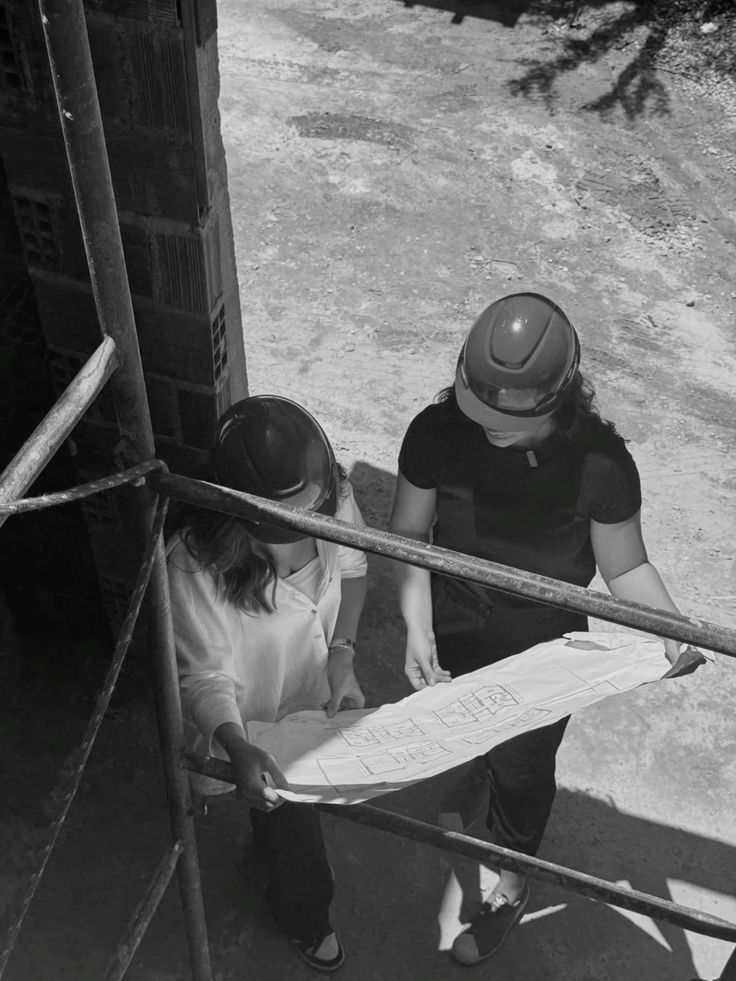
Obtaining a Certificate of Occupancy involves a detailed and often complex process. The first step is ensuring that the building complies with all applicable building codes and zoning regulations. This typically involves submitting architectural plans and construction documents to the Department of Buildings [DOB] for approval.
Required Documents and Inspections
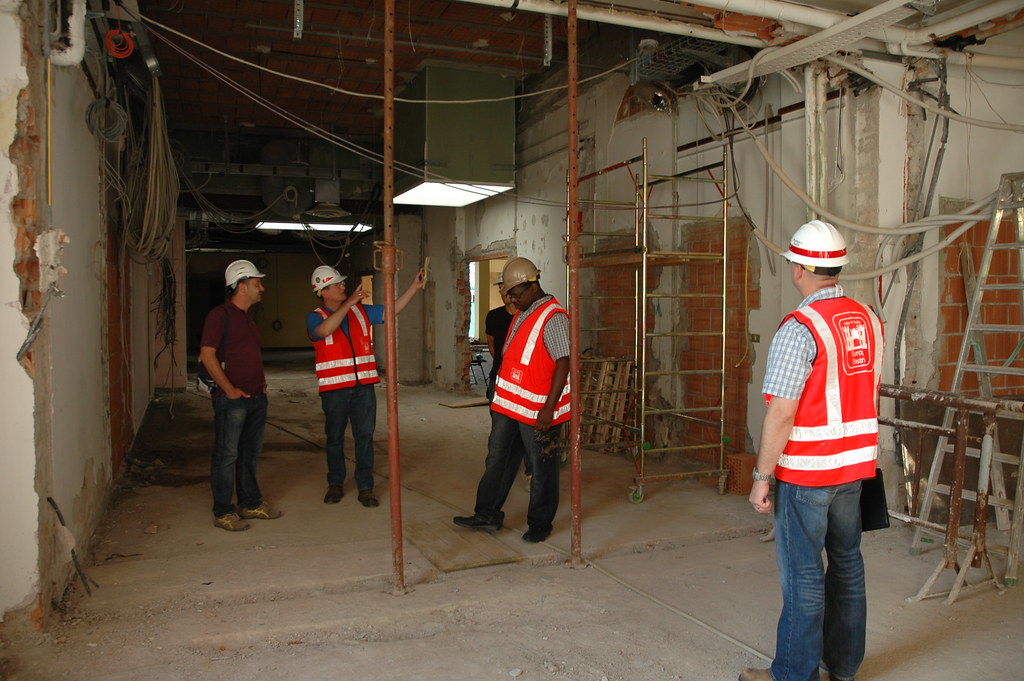
Key documents required include building plans, site surveys, and various compliance certifications. Once the plans are approved, construction can proceed. Throughout this phase, multiple inspections ensure compliance with building codes, covering:
- Structural integrity
- Fire safety
- Plumbing and electrical systems
- Coordination with FDNY and the Department of Environmental Protection [DEP]
Common Challenges
Common challenges in this process include delays in inspections, construction discrepancies, and re-submissions due to non-compliance. Navigating these challenges requires meticulous attention to detail and a thorough understanding of DOB requirements.
Failing to address issues promptly can result in significant delays and additional costs. Proper planning and execution are essential when obtaining a CO.
The Role of an Expediter in the CO Process
An expediter is a professional who specializes in navigating the complex bureaucracy of building permits and compliance requirements, playing a crucial role in obtaining a Certificate of Occupancy [CO]. These experts have an in-depth understanding of NYC's building codes, zoning laws, and the intricacies of the Department of Buildings [DOB] procedures.
Expediters facilitate the CO process by coordinating document submissions, scheduling inspections, and resolving issues during review. Key responsibilities include:
- Ensuring all paperwork is correctly completed and submitted on time
- Liaising with city departments such as DOB, FDNY, and DEP
- Tracking the project's progress through approval stages
- Acting as intermediaries between property owners, architects, contractors, and city officials
Expediters save property owners time and money by preventing costly mistakes. Their expertise lets them foresee potential issues and address them proactively, ensuring a smoother path to obtaining a CO. They are invaluable assets in the construction and renovation industry.
Case Studies and Examples
Historic Building Renovation
One Manhattan historic building renovation faced numerous challenges due to its age and modern code requirements. The expediter coordinated with preservationists, architects, and the DOB. They ensured all requirements were met while maintaining historical integrity, avoiding significant delays and additional costs.
Brooklyn Residential Development
A new residential development in Brooklyn faced tight deadlines to begin occupancy. The expediter managed all document submissions, scheduled timely inspections, and addressed compliance issues promptly. Their proactive approach kept the project on track and secured the CO without unnecessary delays.
Key Takeaways
These case studies illustrate common issues expediters resolve:
- Construction discrepancies
- Incomplete documentation
- Scheduling conflicts with inspections

Ensuring Compliance and Efficiency
In the complex landscape of New York City's building regulations, obtaining a Certificate of Occupancy is essential yet challenging. Expediters play a critical role in streamlining this process, saving time and costs for property owners. Their expertise ensures compliance and efficiency, making them indispensable in the process of obtaining a Final Certificate of Occupancy.