The Hidden Costs of Delaying NYC Building Compliance
In the bustling, ever-evolving landscape of New York City, property owners, developers, and contractors face a myriad of regulations designed to ensure safety and order. While the immediate costs of addressing building code violations or navigating complex permit expediting can seem daunting, the true financial burden often lies in delaying compliance. Procrastination doesn't just defer problems; it amplifies them, turning minor issues into major liabilities. This article explores the hidden, and often substantial, costs associated with putting off building compliance in NYC and why a proactive approach is always the most cost-effective strategy.
Escalating Penalties and Fines
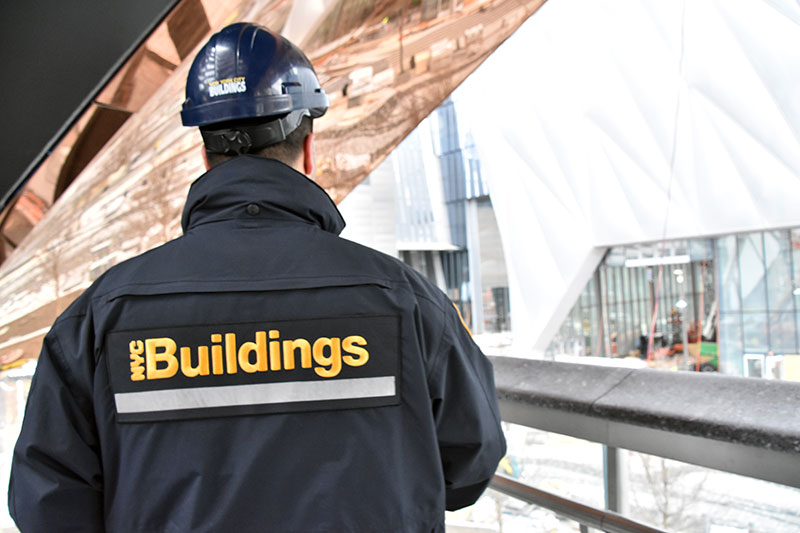
One of the most direct and immediate consequences of delaying building compliance is the accumulation of penalties and fines. NYC agencies, such as the Department of Buildings (DOB), the Environmental Control Board (ECB), and the Fire Department of New York (FDNY), impose significant monetary penalties for various infractions. These aren't one-time fees; many violations carry daily or monthly accruals, meaning the longer they remain unaddressed, the more expensive they become.
- DOB Violations – The NYC Department of Buildings issues DOB violations for breaches of the building code. These can range from failure to maintain a building in a safe condition to unpermitted work. Many DOB violations come with a compliance deadline, after which daily penalties can kick in, quickly turning a few hundred dollars into thousands. For example, a Stop Work Order, if not addressed promptly, can lead to severe fines and prolonged project halts.
- ECB Violations – Environmental Control Board (ECB) violations, often stemming from DOB summonses or other agency referrals, can carry steep civil penalties. These fines are designed to compel compliance, and neglecting them can lead to judgments against the property, collection agency involvement, and even property liens. The longer an ECB violation remains outstanding, the more difficult and costly it becomes to resolve, often requiring hearing representation before the Office of Administrative Trials and Hearings (OATH).
- FDNY Violations – Fire safety is paramount in NYC. The FDNY issues violations for non-compliance with fire code requirements, such as uninspected sprinkler systems, blocked exits, or missing fire extinguishers. These FDNY violations also accrue penalties over time, and failure to rectify them can pose serious safety risks, leading to even greater liability.
Project Delays and Operational Disruptions
Time is money, especially in construction and real estate. Unresolved violations or lack of proper permits can bring projects to a grinding halt, leading to significant financial losses. Every day a project is delayed incurs additional costs for labor, equipment rentals, financing, and lost revenue opportunities.
- Stop Work Orders – A Stop Work Order (SWO) is perhaps the most immediate and impactful consequence of non-compliance. Issued for unpermitted work, unsafe conditions, or severe code violations, an SWO can instantly halt all construction activity. Rectifying the issues, paying fines, and getting the SWO lifted can be a lengthy process, often involving submitting new DOB filings, undergoing inspections, and demonstrating compliance. The longer the project is stopped, the higher the carrying costs and the greater the delay in project completion and occupancy.
- Occupancy Delays – For new constructions or major alterations, obtaining a Certificate of Occupancy (CO) or Temporary Certificate of Occupancy (TCO) is the final hurdle before a building can be legally occupied. Outstanding violations or incomplete work can prevent the issuance of a CO, delaying move-ins, lease agreements, and revenue generation. This can be devastating for developers and property owners relying on timely income streams.
- Business Interruption – Even for existing businesses, violations can lead to operational disruptions. For instance, an HPD violation related to heat or hot water can result in fines and legal action, impacting tenant relations and potentially forcing temporary relocation, leading to lost business and additional expenses.

Increased Legal Exposure and Liability
Beyond fines and project delays, non-compliance significantly increases legal exposure for property owners and managers. When codes are violated, especially those pertaining to safety, the risk of accidents and injuries escalates, opening the door to lawsuits.
- Personal Injury Lawsuits – If an injury occurs due to a building code violation (e.g., a collapse from unapproved alterations, an accident from neglected maintenance), the property owner can face substantial personal injury lawsuits. These lawsuits can result in massive compensatory and punitive damages, legal fees, and reputational damage.
- Criminal Charges – In severe cases of negligence or repeated violations leading to serious harm, criminal charges can be brought against property owners or responsible parties. This is a rare but serious consequence that highlights the importance of adherence to safety regulations.
- Tenant Disputes and Litigation – Residential properties with persistent violations (e.g., HPD violations for lack of heat, lead paint, or pest infestations) can lead to tenant complaints, housing court actions, and tenant-initiated lawsuits. These can be costly, time-consuming, and detrimental to landlord-tenant relationships.
Financing and Insurance Complications
Financial institutions and insurance companies closely scrutinize properties for compliance. Outstanding violations and a history of non-compliance can have a detrimental impact on a property's financial standing and insurability.
- Loan Difficulties – Lenders often require clear property records and compliance with all relevant codes before approving loans or refinancing. A property riddled with violations can be deemed high-risk, leading to higher interest rates, stricter loan terms, or even outright denial of financing. This can jeopardize acquisition, development, or long-term financial stability.
- Insurance Premium Hikes and Denials – Insurance providers assess risk based on a property's condition and compliance history. Buildings with unresolved violations, particularly those related to structural integrity or fire safety, are considered higher risk. This can result in significantly increased insurance premiums, reduced coverage, or even the refusal to provide coverage, leaving the owner vulnerable to catastrophic losses.
- Property Value Depreciation – A property with a history of unresolved violations or pending legal actions will inevitably suffer a reduction in market value. Potential buyers conduct due diligence, and discovering substantial compliance issues will either deter them or lead to significantly lower offers, often factoring in the cost of future violation removal.
Why Proactive Compliance Saves Money
The core principle is simple: addressing issues early is almost always cheaper than waiting. Proactive compliance is not an expense; it's an investment that protects your assets, finances, and reputation.
- Early Detection & Resolution – Regular property assessments and pre-emptive checks can identify potential issues before they become full-blown violations. Addressing a minor defect or securing a necessary permit upfront is far less costly and complex than dealing with fines, stop-work orders, and legal battles later. Utilizing services like property analysis can be incredibly beneficial.
- Streamlined Project Management – Engaging with project coordination and permit expediting services from the outset ensures that all necessary approvals are in place, minimizing the risk of delays and ensuring a smoother construction process.
- Reduced Risk Exposure – By adhering to building codes and safety regulations, property owners drastically reduce the likelihood of accidents, injuries, and the associated legal and financial fallout.
- Maintained Property Value – A well-maintained, compliant property retains its value, attracts reliable tenants, and presents fewer hurdles during sales or refinancing.
Services Offered
BVS supports every step of NYC compliance discussed above. Explore the related services:
- Violation Removal – Expert assistance in clearing all types of NYC building code violations efficiently.
- Permit Expediting – Streamlining the complex process of obtaining and managing permits to keep your projects on track.
- Hearing Representation – Skilled representation at OATH hearings to contest violations and minimize penalties.
- Property Analysis – Comprehensive assessments to identify potential compliance issues before they become costly problems.
Don't let the immediate perceived cost of compliance overshadow the devastating hidden costs of delay. At BVS, we specialize in helping NYC property owners, developers, and contractors navigate the complex world of building regulations. Our team of experts can assist with everything from violation removal and permit expediting to comprehensive project coordination, ensuring your projects remain compliant, on schedule, and within budget. Contact us today for a consultation and protect your investment from unnecessary financial burdens.
Services Offered
BVS handles the NYC compliance work behind every topic in this article. Explore the related services below:
Building Violation Removal
End-to-end resolution for DOB, ECB, FDNY and HPD violations.
Permit Expediting
Fast-track DOB, FDNY and DOT permits through every agency portal.
Certificate of Occupancy
Obtain, amend and renew COs and TCOs across all NYC building types.
Property Analysis
Pre-purchase compliance, violation and CO due diligence reports.