In New York City, building inspections are an integral part of maintaining safety, compliance, and functionality for any property. Whether you're preparing for a routine inspection, a special inspection, or a follow-up to resolve a violation, thorough preparation is key.
Failing an inspection can lead to fines, delays, and even stop-work orders. Understanding how to prepare effectively is essential.
Understand the Scope and Type of Inspection
The first step is understanding the type of inspection and its specific requirements. NYC building inspections fall into several categories:
- Routine maintenance checks
- Inspections for construction permits
- Special inspections mandated by the Department of Buildings (DOB)
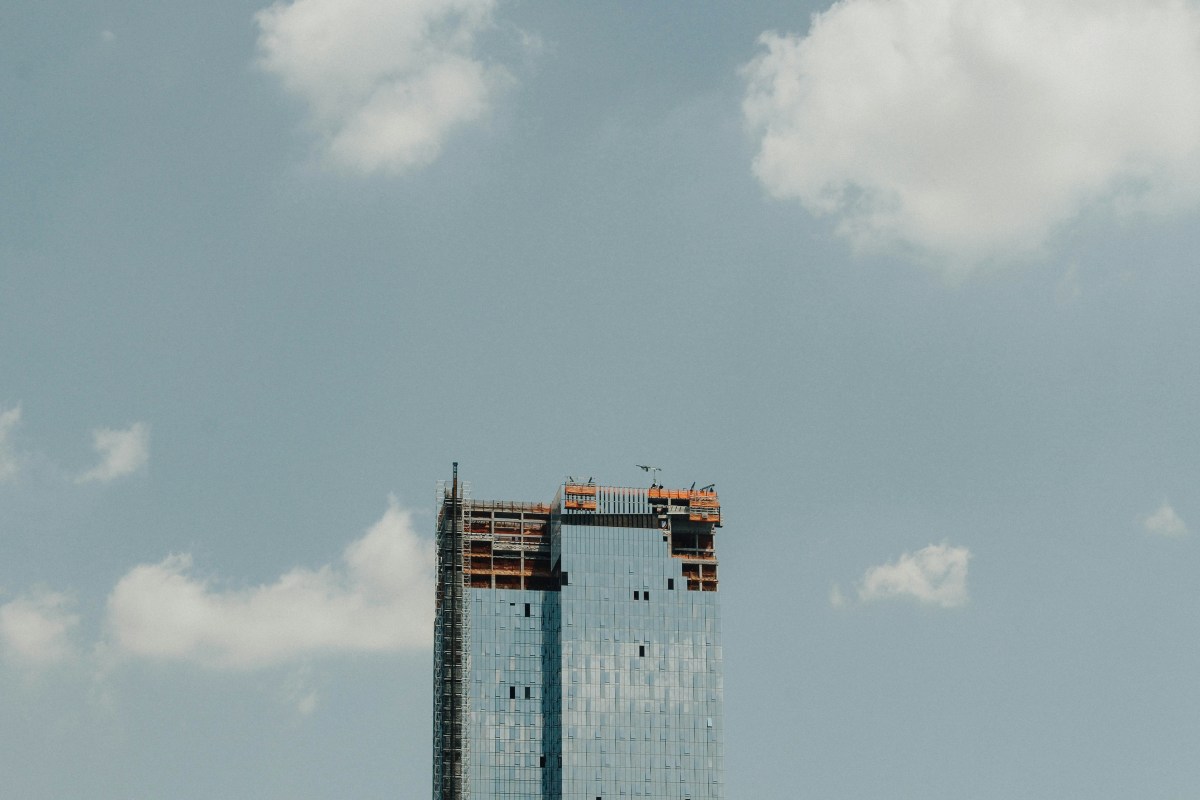
Each type has different standards and focus areas. A construction-related inspection focuses on compliance with approved plans and NYC Building Code requirements. A maintenance inspection might assess key systems such as elevators, plumbing, and fire safety equipment.
By identifying the scope of the inspection, you can tailor your preparation to the specific areas that will be reviewed.
Review Relevant Building Codes and Regulations
NYC's building codes are among the most comprehensive in the world. They cover everything from structural safety to energy efficiency. Before an inspection, review the relevant sections of the NYC Building Code, Zoning Resolution, and other applicable regulations.
System-Specific Compliance
If your property includes specific systems, ensure they comply with their respective codes:
- Fire safety systems must meet FDNY standards.
- Energy-efficient components must align with the NYC Energy Conservation Code.
- Elevators, sprinklers, and HVAC units each have dedicated regulatory requirements.
Staying informed about these requirements lets you address non-compliance early, reducing the risk of failing the inspection.
Conduct a Pre-Inspection Walkthrough
Performing a pre-inspection walkthrough is one of the most effective ways to prepare for an official visit. This step allows you to identify and resolve potential issues before the inspector arrives. During the walkthrough, pay close attention to key areas such as:
- Structural Integrity: Check for visible cracks, leaks, or signs of deterioration in walls, floors, and ceilings.
- Fire Safety: Verify that fire extinguishers, sprinklers, alarms, and emergency lighting are in place and functioning correctly.
- Electrical and Plumbing Systems: Inspect wiring, outlets, pipes, and fixtures to ensure they are safe and in good working condition.
- Accessibility: Ensure compliance with ADA requirements, including accessible entrances, elevators, and signage.
- Exteriors and Common Areas: Address any visible maintenance issues, such as broken railings, uneven sidewalks, or poorly maintained landscaping.
Document any deficiencies you discover during this walkthrough and prioritize addressing them before the inspection date.
Ensure Documentation Is Up to Date
Building inspectors will often request documentation during their visit to verify compliance and maintenance history. Ensure that all necessary records are organized and readily available, including:
- Building permits and approved plans.
- Certificates of Occupancy.
- Maintenance logs for key systems, such as elevators, fire alarms, and HVAC units.
- Inspection reports from previous visits and proof of issue resolution.
- Required certifications for special systems, such as boilers or energy-efficient components.
Having this documentation on hand not only streamlines the inspection process but also demonstrates your commitment to compliance and accountability.
Address Previous Violations or Issues
If your property has a history of violations, ensure all outstanding issues are resolved before the inspection. Start by reviewing any Notices of Violation or Environmental Control Board (ECB) penalties issued by the DOB.
Addressing these issues proactively prevents further penalties. It also demonstrates to inspectors that you take compliance seriously.
For resolved violations, prepare documentation confirming corrections were made and approved. Examples include a Certificate of Correction or a dismissal letter from the issuing agency.
Coordinate with Your Team and Tenants
Effective communication with all stakeholders is essential. Notify building staff, contractors, and tenants about the upcoming inspection so everyone knows their roles.
Coordination Tips
- Building staff should be ready to assist with access to restricted areas like mechanical rooms or rooftops.
- If tenants' units are part of the inspection, coordinate schedules to minimize disruption.
- If contractors or engineers handled recent installations or repairs, ensure they are available for technical questions.
Perform Final Checks Before Inspection Day
In the days leading up to the inspection, conduct a final review. Confirm all preparations are complete by checking the following:
- Test all systems, including fire alarms, sprinkler systems, elevators, and electrical panels.
- Verify that required signage (evacuation plans, safety notices) is clearly posted and compliant.
- Clean and organize common areas, equipment rooms, and construction zones.
A clean, orderly environment reflects positively on your management practices. It also makes it easier for inspectors to do their work.
Be Present and Prepared on Inspection Day
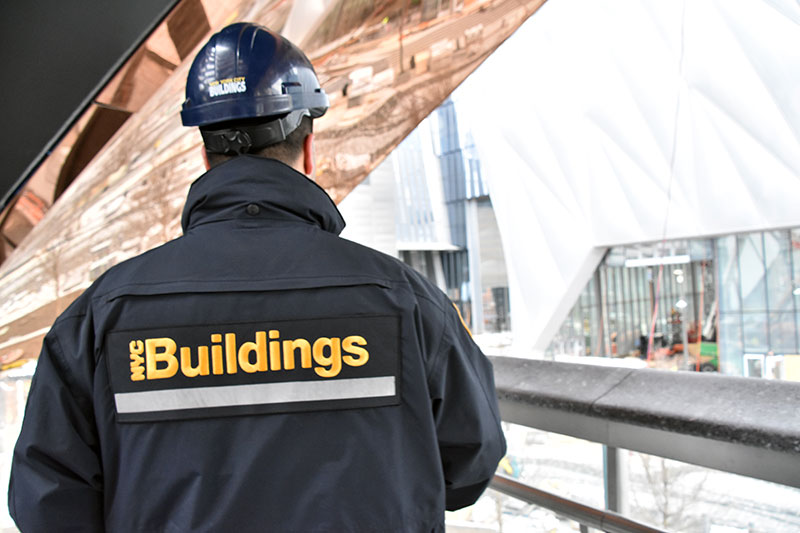
On the day of the inspection, ensure you or a designated representative is present to guide the inspector. Being available to answer questions, provide documentation, or clarify concerns prevents misunderstandings and speeds up the process.
During the inspection, take notes on any feedback or issues the inspector identifies. Even if your property passes, these notes help you prepare for future inspections.
Conclusion
Preparing for a building inspection in NYC requires a combination of proactive maintenance, thorough documentation, and effective coordination. By understanding the scope of the inspection, conducting pre-inspection reviews, and addressing potential issues ahead of time, you can significantly improve your chances of a successful outcome.
Building inspections are not just a regulatory requirement—they're an opportunity to ensure your property is safe, compliant, and well-maintained. By following these best practices, you can navigate the inspection process with confidence and keep your property in top condition for years to come.