Hiring the right architect is crucial to the success of any construction project, especially in New York City. A well-chosen architect brings vision to life and navigates the complexities of design and compliance seamlessly.
However, the hiring process can be fraught with missteps that delay your project and escalate costs. This guide helps you avoid common mistakes by focusing on verifying credentials, ensuring effective communication, and understanding the importance of a strong professional network.
Credentials and Experience
One of the most common mistakes is overlooking credential and experience verification. This can lead to engaging a professional ill-equipped for your project's needs. To ensure you're selecting a qualified architect, review the following:
- Licensure and AIA Membership: Confirm the architect is a licensed member of the American Institute of Architects (AIA). Membership signifies adherence to a strict code of ethics and professional conduct.
- Previous Projects: Examine their past work to assess style, expertise, and experience with projects similar in scale to yours. This helps gauge their proficiency with NYC building codes.
- References and Reviews: Contact former clients and collaborators. This provides insights into reliability, ability to meet deadlines, and project management skills.
- Specialization Relevance: If your project involves specialized requirements like sustainability or historic renovation, ensure the architect has specific experience. Confirm they can hire the right consultants to support these needs.
Thorough credential verification safeguards your project against common pitfalls. It ensures your architect can handle the demands of NYC construction.
Ignoring the Importance of Communication Skills
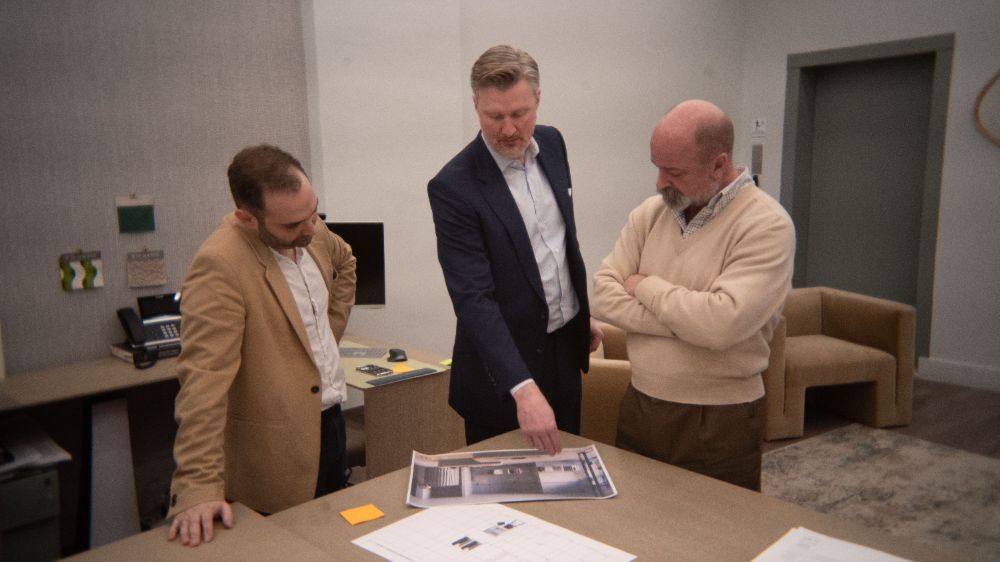
Effective communication is crucial for any NYC construction project. An architect's ability to communicate clearly influences every aspect, from planning to execution.
Regular updates, clear explanations, and proactive discussions keep all parties aligned. This includes project managers, contractors, and stakeholders. Transparency is essential for timely decisions and avoiding delays.
Why Communication Matters
An architect must also coordinate with expeditors, interior designers, and engineers. Good communication smooths out potential conflicts that can derail a project. It also plays a key role in navigating NYC's stringent approval processes and facilitating faster project approvals.
Overlooking an Architect's Professional Network
When hiring an architect in NYC, don't overlook the value of their professional network. An architect's connections can significantly streamline the construction process.
Strong relationships with other professionals facilitate faster approvals, better material sourcing, and smoother collaboration. This is especially important in a city known for its complex regulatory landscape.

Underestimating the Importance of Clear Contracts
A clear, comprehensive contract is pivotal to architectural project success, especially in NYC. A well-drafted contract prevents misunderstandings, manages scope creep, and avoids unexpected costs.
How to Evaluate Contracts
Start by comparing contracts from different architects. This helps you understand industry standards and spot variations in terms. Consulting with professionals experienced in architectural contracts can also provide valuable insights.
Key Elements to Include
Make sure the contract covers these critical details:
- Scope of work: Define deliverables, timelines, and milestones.
- Financial terms: State payment schedules explicitly to prevent disputes.
- Intellectual property rights: Specify who owns the designs after project completion.
- Conflict resolution: Outline procedures for handling disputes.
- Termination clauses: Explain how either party can exit the agreement if necessary.

Failing to Discuss the Full Scope of the Project
Discussing the full scope of a project with your architect is essential but often overlooked. Incomplete discussions lead to unexpected adjustments and delays.
Comprehensive initial conversations should cover aesthetic, functional, technical, and regulatory considerations. Before starting, bring forward feasibility consultations and studies. These evaluations uncover potential challenges early and help determine viability.
Due Diligence and Scope Alignment
Architects have a responsibility to identify legal or feasibility roadblocks. This includes navigating complex NYC building codes. By addressing these issues early, they can propose solutions to avoid costly delays.
Thorough initial discussions should also establish clear expectations about:
- Project milestones and deadlines
- Roles of key professionals like interior designers and expeditors
- Resource management and work phase scheduling