NYC Spring Inspections: Why Violations Spike in April
As April showers bring May flowers, they also historically usher in a surge of building code violations across New York City. For property owners, developers, and contractors, this means gearing up for an increased likelihood of inspections and the subsequent potential for costly penalties. Understanding why violations peak during this particular season is crucial for proactive compliance and maintaining the safety and integrity of your properties. This blog post will delve into the factors contributing to the April violation increase, highlight common areas of focus for inspectors, and provide actionable advice to help you navigate NYC's stringent building regulations.
The Seasonal Shift: Why April is Peak Violation Season
The spike in violations observed around April isn't a coincidence; it's a direct outcome of several converging factors related to weather, construction cycles, and regulatory enforcement. Winter conditions often mask certain issues or defer maintenance, which then become apparent (and addressable) as the weather warms. Furthermore, agencies like the Department of Buildings (DOB) often intensify their inspection efforts as the construction season kicks into high gear.
Post-Winter Thaw & Damage Assessment
New York City winters are harsh, characterized by freezing temperatures, heavy snowfall, and the freeze-thaw cycle. This environmental stress can wreak havoc on building exteriors, roofs, facades, and various systems. As the snow melts and temperatures rise, damages that were obscured or dormant become visible and often exacerbated. Inspectors, too, can more easily conduct thorough exterior assessments without the impediments of ice and snow, leading to more findings.
Increased Construction & Renovation Activity
Spring marks the unofficial start of the construction and renovation season in NYC. With better weather conditions, many projects that were paused or delayed during winter resume or begin anew. This heightened activity naturally leads to more inspections from the DOB, FDNY, and other agencies overseeing construction sites, ensuring compliance with permits, safety protocols, and approved plans. More active sites mean more opportunities for inspectors to identify non-compliance.
Annual Inspection Cycles and Compliance Deadlines
Certain annual inspections and compliance deadlines often fall within the spring months. For example, facade inspections under FISP (Facade Inspection Safety Program), while cyclical, might see increased follow-ups or corrective work during this period. Similarly, fire safety systems and other essential building components may undergo mandated checks, revealing previously unaddressed issues.
Common Violation Categories During Spring Inspections
While violations can span the entire spectrum of building codes, certain types tend to be more prevalent during the spring due to the factors mentioned above. Being aware of these can help property owners prioritize their pre-inspection checks.
- Exterior Maintenance & Facade Issues – Cracked masonry, loose bricks, deteriorating cornices, improper parapet conditions, and failing balconies are frequently cited after winter damage.
- Roofing & Waterproofing – Leaks, Ponding water, damaged flashing, and deteriorated membrane systems become evident as snow melts and spring rains begin.
- Unpermitted Work – Increased construction activity often leads to more discovery of work performed without the necessary DOB permits, resulting in stop-work orders and violations.
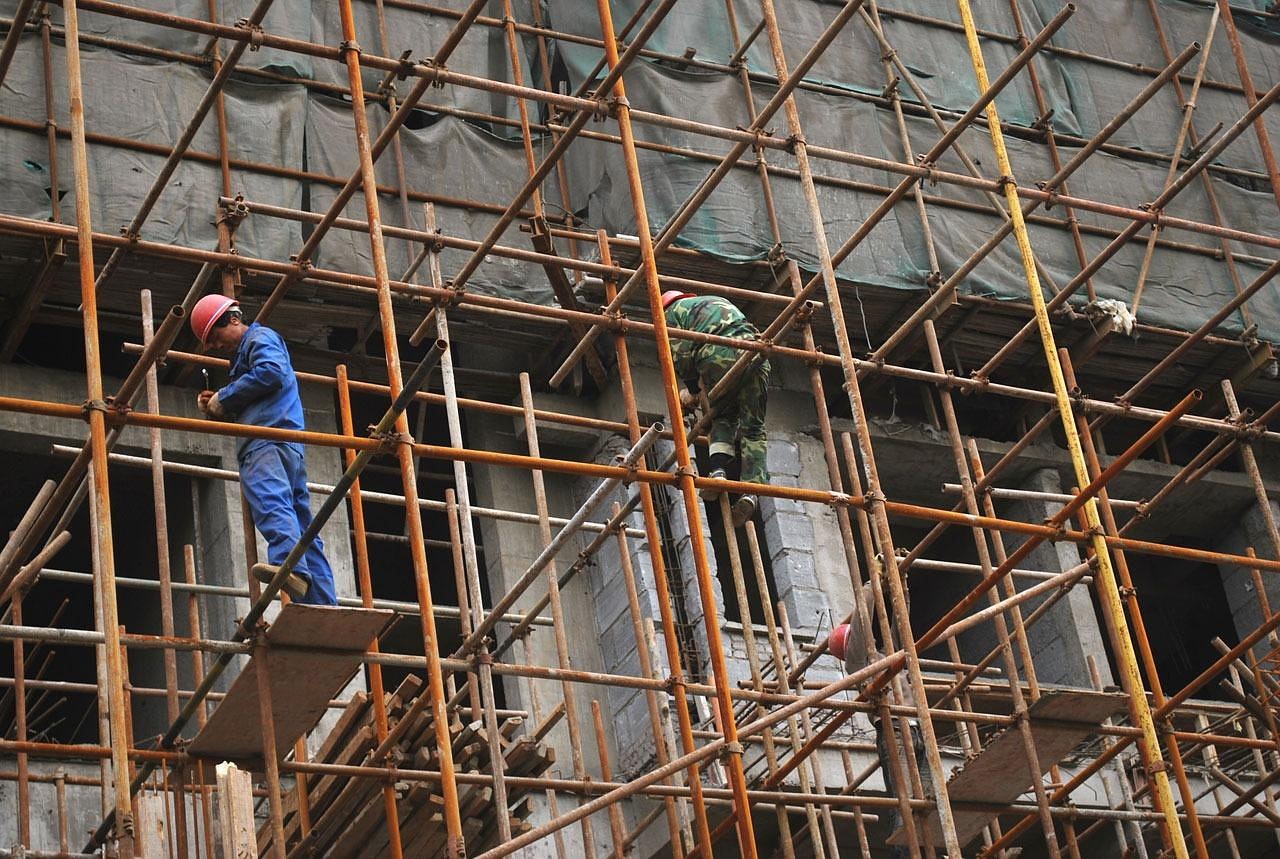
- Site Safety & Housekeeping – For active construction sites, violations related to inadequate fall protection, improper material storage, lack of pedestrian protection, and general site cleanliness are common.
- Fire Safety System Malfunctions – Inspections may reveal issues with standpipes, sprinklers, fire alarms, and emergency lighting, which are critical for occupant safety.
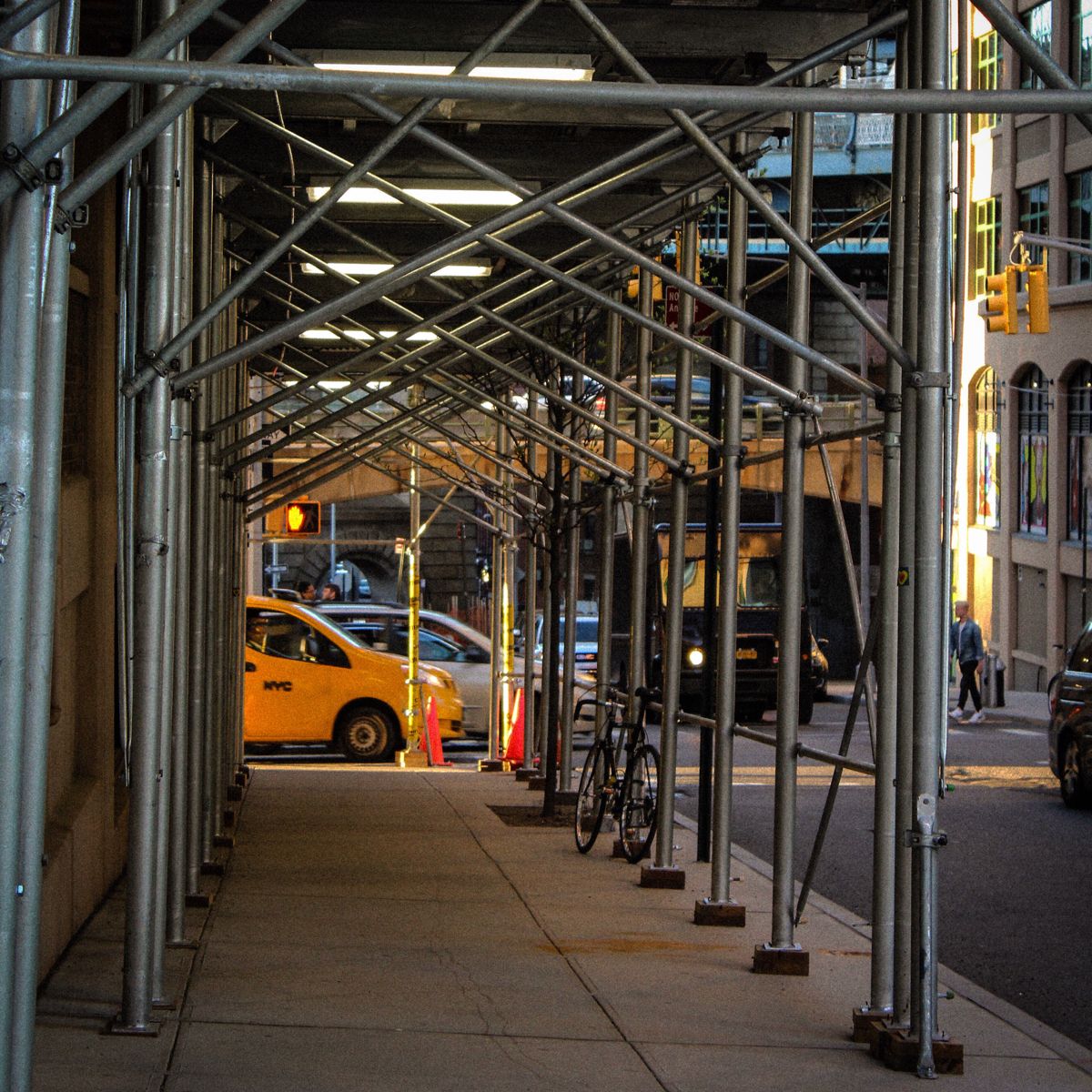
- Sidewalk Sheds & Scaffolding – Non-compliance regarding maintenance, lighting, and duration of sidewalk sheds and scaffolding can lead to violations, particularly as more are erected for spring repairs.
Proactive Steps for Property Owners and Managers
The best defense against violations is a strong offense. By implementing a proactive inspection and maintenance strategy, you can significantly reduce your risk and avoid costly penalties, legal fees, and project delays.
Conduct Pre-emptive Property Assessments
- Exterior Walk-Through – Thoroughly inspect your building's facade, roof, balconies, and any visible exterior elements for signs of winter damage. Pay close attention to masonry, flashing, gutters, and drainage systems.
- System Checks – Verify the functionality of fire safety systems, emergency lighting, and any heating/cooling systems that might have been stressed during winter.
- Permit Review – Ensure all ongoing or recently completed work has the proper permits and that all temporary structures (like sidewalk sheds) are compliant with their permit timelines.
Prioritize Repairs and Maintenance
Don't wait for an inspector to find an issue. Address any identified deficiencies promptly. Engage licensed professionals for repairs, especially for structural or critical building systems. HPD violations, for instance, often arise from neglected maintenance.
Maintain Meticulous Records
Keep detailed records of all maintenance work, repairs, inspections, and permits. This documentation can be invaluable in demonstrating compliance and contesting erroneous violation notices. Ensure your Certificates of Occupancy and other critical documents are readily accessible.
Understanding NYC's Violation Landscape
Navigating NYC's complex web of building codes and enforcement agencies can be daunting. Violations issued by the DOB, Environmental Control Board (ECB), or even the Office of Administrative Trials and Hearings (OATH) through various issuing agencies carry different implications and require specific response strategies. Recognizing the type of violation from the outset is key to an effective resolution.

DOB Violations
Issued for serious code infractions, these can lead to stop-work orders, civil penalties, and potentially criminal charges if left unaddressed. They often relate to structural integrity, fire safety, and unpermitted work.
ECB/OATH Violations
Many violations initially issued by agencies like DOB, HPD, or FDNY fall under the jurisdiction of the ECB/OATH for adjudication. These often involve fines and require a hearing. Timely response and proper documentation are crucial for dismissal or reducing penalties.
HPD Violations
These relate to housing quality standards in residential buildings, covering issues from lead paint and heat/hot water to pest infestations and general maintenance. They are particularly scrutinized and carry strict timelines for correction.
How BVS Can Help You Navigate Spring Inspections
At BVS (Building Violation Solutions), we understand the challenges property owners and contractors face with NYC's rigorous inspection and violation system, especially during peak seasons like spring. Our team of experts specializes in simplifying the complex journey from violation discovery to resolution.
We offer comprehensive services designed to keep you compliant and minimize your liabilities:
- Pre-Inspection Audits – Our team can conduct thorough reviews of your building's compliance status, identifying potential issues before an official inspector does.
- Violation Research & Resolution – From understanding the specific charges to preparing all necessary documentation for hearings or certifications, we manage the entire violation removal process.
- Permit Expediting – We streamline the permitting process for repairs, renovations, and new construction, ensuring your projects proceed smoothly and legally.
- Code Compliance Consulting – Our experts provide tailored advice on navigating NYC building codes, helping you implement preventative measures and best practices.
Don't let the spring inspection season catch you off guard. Partner with BVS to ensure your NYC properties remain safe, compliant, and free from unnecessary violations. Contact us today for a consultation and let us help you achieve peace of mind.
Services Offered
BVS handles the NYC compliance work behind every topic in this article. Explore the related services below:
Building Violation Removal
End-to-end resolution for DOB, ECB, FDNY and HPD violations.
Permit Expediting
Fast-track DOB, FDNY and DOT permits through every agency portal.
Certificate of Occupancy
Obtain, amend and renew COs and TCOs across all NYC building types.
Property Analysis
Pre-purchase compliance, violation and CO due diligence reports.