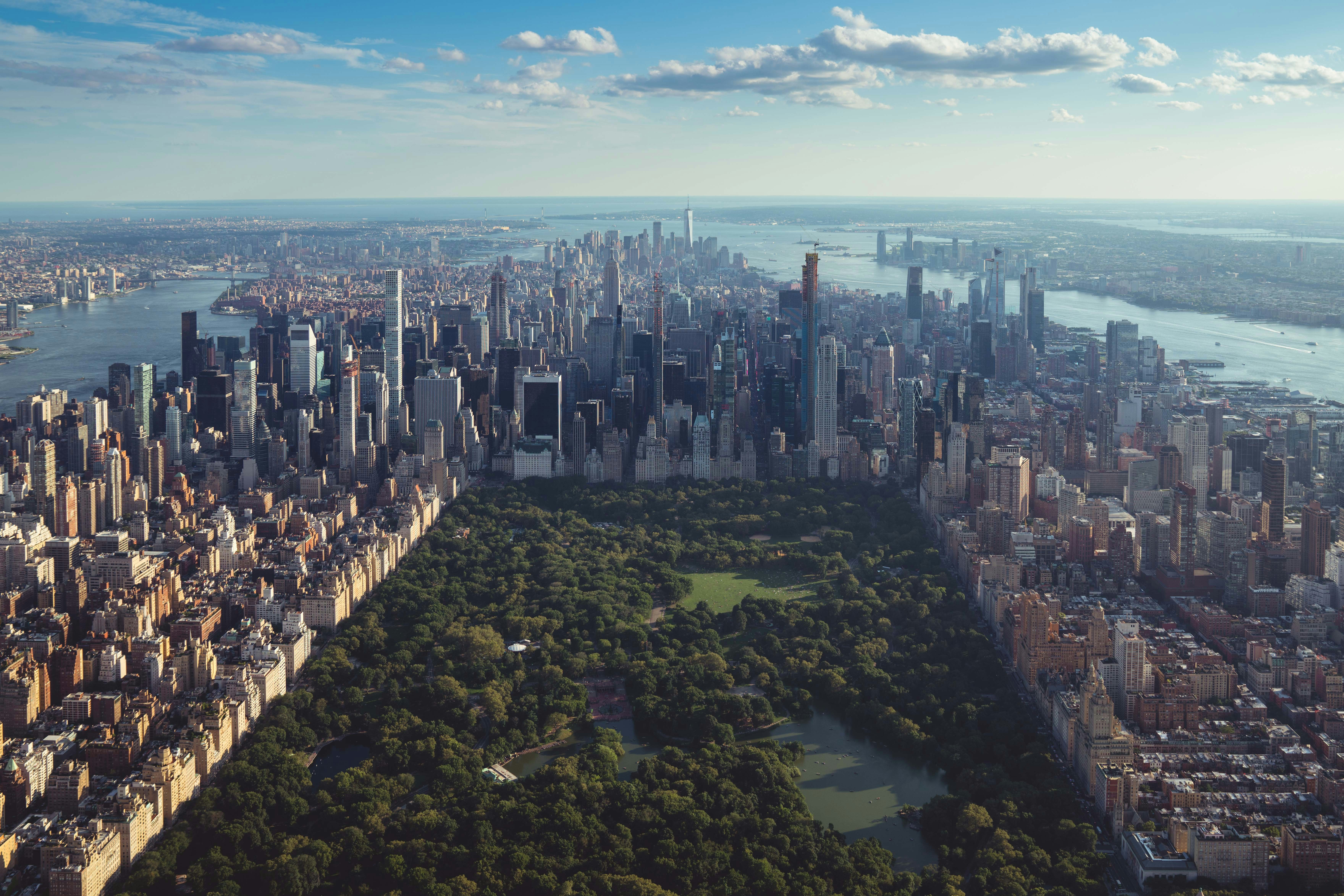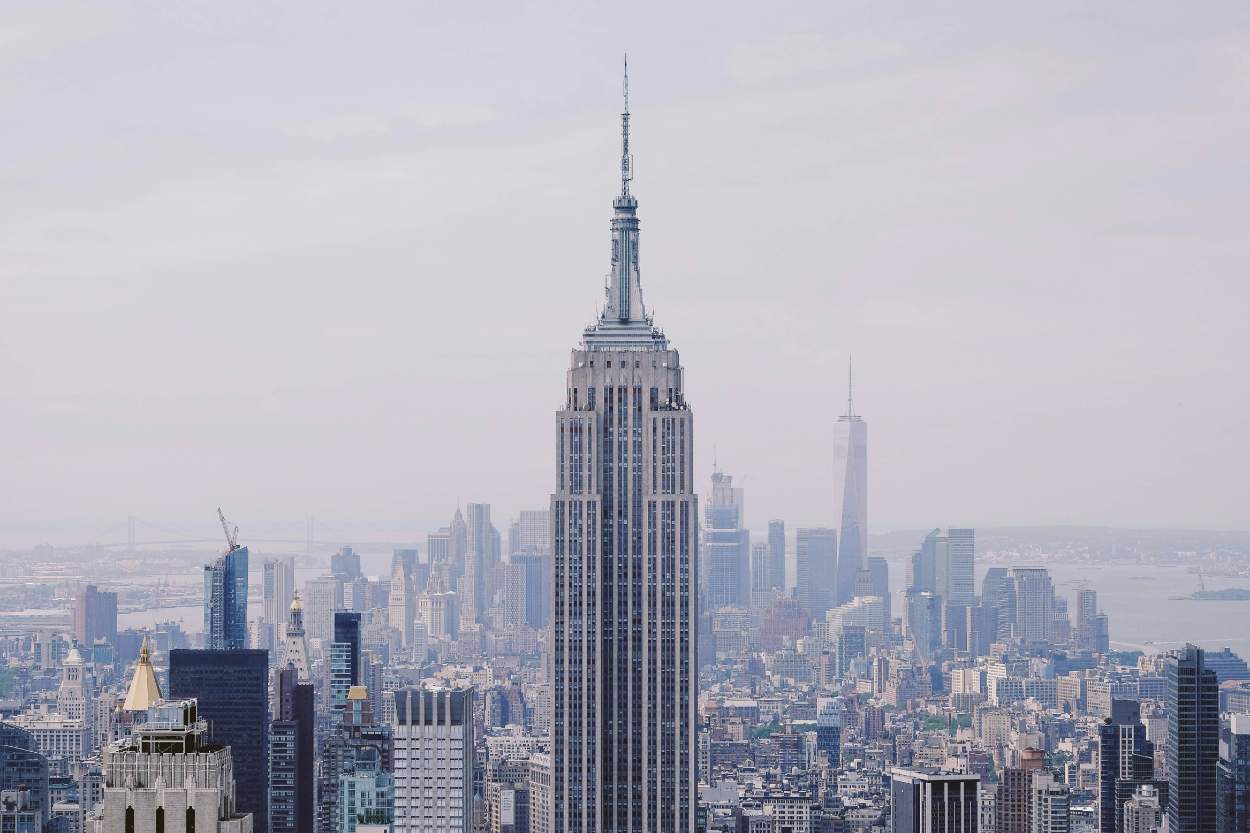
The Empire State Building is one of the most recognized symbols of New York City. It is a lasting icon of American architecture.
This towering structure has shaped the city's skyline for nearly a century. It still captures the imagination of millions.
Background
The Empire State Building was built during the Great Depression. It was meant to be a symbol of hope and progress.
A Record-Setting Timeline
Construction began on March 17, 1930. The building was finished just over a year later, on May 1, 1931. Its fast construction and towering height made it an instant marvel.
It was designed as a business hub to boost economic growth and show NYC's strength and ambition.
Architectural Design & Architect
Architect William F. Lamb of Shreve, Lamb & Harmon designed the building. He drew ideas from the Art Deco movement.
The result was a sleek, elegant design that set the bar for future skyscrapers.
Art Deco Style
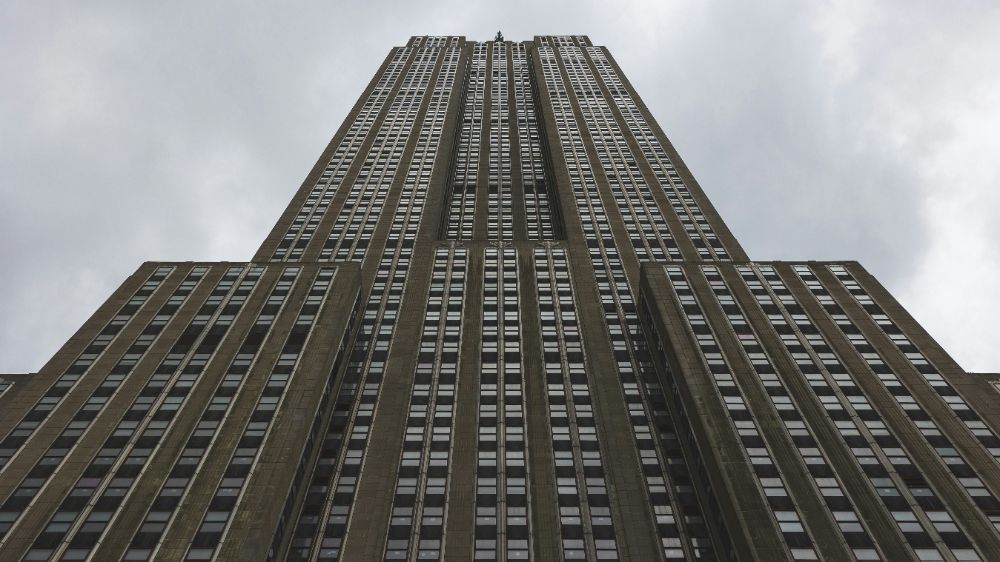
The building's stepped facade tapers as it rises. This is a classic Art Deco feature that highlights vertical lines and geometric patterns.
Groundbreaking Engineering
Key design features include:
- Steel frame construction: This allowed the building to reach record-breaking heights.
- 1,454 feet tall (including its antenna) -- it held the world's tallest building title for over 40 years.
- Setbacks at various levels: These met zoning laws and added to the building's look. They create the cascading effect that gives it its iconic shape.
Lamb's design changed the field. It shaped skyscraper construction around the world.
Construction & Timeline
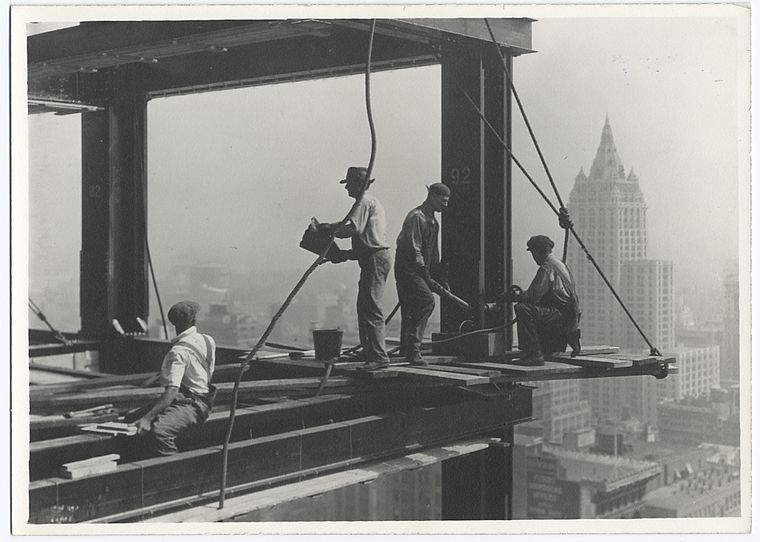
The Empire State Building's construction shows human skill and determination. Even during the Great Depression, the project employed over 3,400 workers -- many of them immigrants.
Speed of Construction
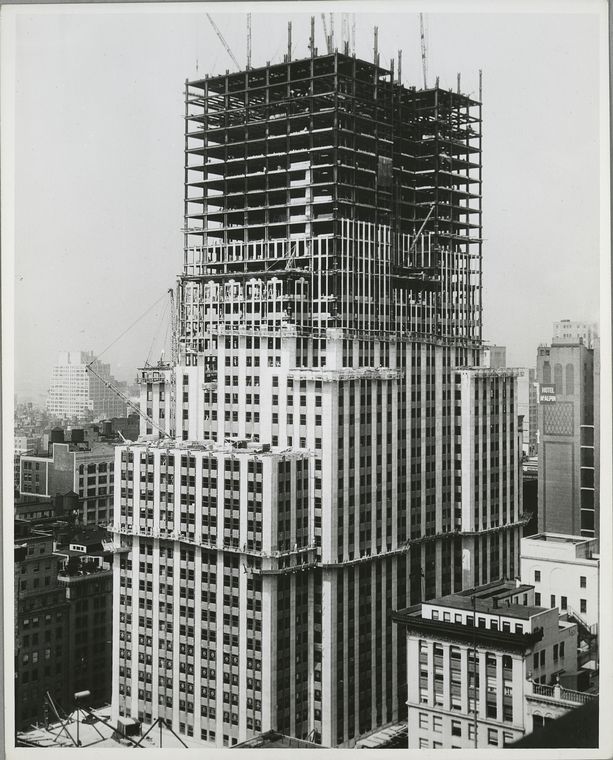
The building went up at about four and a half stories per week. This was possible thanks to smart building methods and careful planning.
Moving and assembling huge amounts of steel and other materials was a big challenge. Still, the team finished the building in just 13 months. That was a record at the time. It is still impressive today.
Landmark Status & Architectural Impact
In 1986, the Empire State Building became a National Historic Landmark. This status confirms its place as a treasured piece of American history.
It also ensures the building is preserved for future generations.
Influence on Skyscraper Design
The building's Art Deco style set a new standard for skyscrapers. Clean lines and geometric shapes became a model for buildings worldwide.
Its structural innovations also had a huge impact, including:
- Steel frame construction methods
- Rapid assembly techniques
- Setback designs that balance zoning rules with looks
One example is the Williams Tower in Houston, Texas. It mirrors the Empire State Building's sleek vertical lines and setbacks with similar Art Deco elements.
The building's influence goes beyond physical design. It has inspired urban growth and architectural education.
It shows what modern engineering and design can achieve.

Evolution & Modern Day
Over the years, the building has gone through several upgrades. These keep it modern while preserving its historic character.
Updates include energy-saving windows and lighting systems. These reflect a focus on sustainability.
The Building Today
The Empire State Realty Trust owns the building today. It still serves as commercial office space and houses many businesses.
Its observation decks remain popular. They offer stunning views and interactive exhibits on the building's history.
The building's ability to adapt while keeping its iconic status shows its lasting appeal. It stands as both a symbol of New York City and a beacon of architectural achievement.