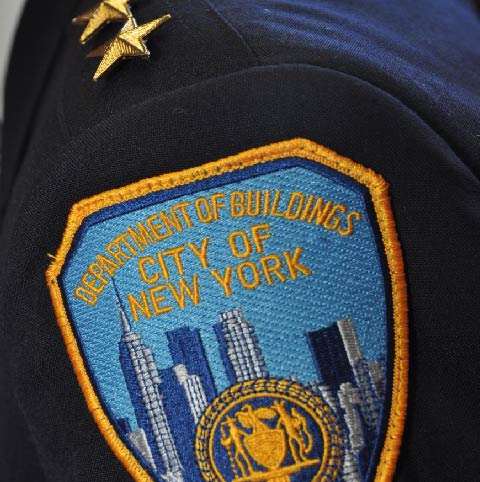
Streamlining NYC Compliance Across Multiple Agencies
New York City's regulatory landscape is notoriously complex, especially when it comes to property and construction. Owners, developers, and contractors often find themselves dealing with not just one, but a multitude of agencies – from the Department of Buildings (DOB) and Housing Preservation and Development (HPD) to the Fire Department (FDNY) and the Environmental Control Board (ECB). Each agency has its own set of rules, filing procedures, inspection protocols, and DOB violations, creating a labyrinth that can be challenging to navigate. Streamlining compliance across these diverse entities is not just about avoiding penalties; it's about efficient project management, cost savings, and ensuring the safety and habitability of New York City's built environment.
Understanding the Multi-Agency Challenge
The sheer volume of regulations and the number of agencies involved can be overwhelming. A single construction project or property management task might require interactions with several city departments, each with its unique jurisdiction and requirements. For instance, a renovation project might need DOB permits, HPD approvals for housing quality standards, FDNY sign-offs for fire safety systems, and potentially ECB appearances for any incurred ECB violations.
Key NYC Agencies and Their Roles
- Department of Buildings (DOB) – Oversees all construction and renovation work, ensures structural integrity, public safety, and adherence to the NYC Building Code. They issue permits, conduct inspections, and issue violations for non-compliance.
- Department of Housing Preservation and Development (HPD) – Focuses on housing quality and affordability. HPD enforces housing and maintenance codes, resolves tenant complaints, and issues HPD violations for substandard conditions.
- Fire Department of New York (FDNY) – Responsible for fire prevention, suppression, and safety. The FDNY inspects buildings for fire code compliance, issues permits for certain hazardous materials or operations, and enforces FDNY violations.
- Environmental Control Board (ECB) – An administrative tribunal that hears and decides cases involving violations of city laws and rules issued by various agencies, including DOB, HPD, and FDNY. This is where OATH hearings for summonses often take place.
- Department of Environmental Protection (DEP) – Manages the city's water supply and wastewater treatment. Issues violations related to water conservation, air quality, and noise pollution.
Strategies for Effective Multi-Agency Compliance
Proactive planning and meticulous organization are paramount when navigating multi-agency compliance. Ignoring one agency's requirements can lead to delays, additional costs, and even Stop Work Orders from the DOB.

1. Comprehensive Due Diligence and Project Planning
Before embarking on any project, conduct a thorough property analysis. Understand the property's history, existing violations, and all applicable zoning and building codes. This includes reviewing the property's Certificate of Occupancy (CofO) and any existing permits. Engage with all relevant agencies early in the planning phase to understand their specific requirements for your project.
2. Centralized Documentation and Record-Keeping
- Digital Platform – Implement a robust digital system to store all project documents, permits, inspection reports, correspondence, and violation removal documentation.
- Version Control – Ensure all team members are working with the most current versions of plans and documents.
- Accessibility – Make sure authorized personnel can easily access required information, especially during inspections or audits.
3. Proactive Violation Monitoring and Resolution
Don't wait for a violation notice to arrive. Regularly check your property's status on agency websites like the DOB Building Information Search (BIS), HPD Online, and the ECB portal. Addressing issues promptly can prevent escalating fines and more severe enforcement actions, such as a Stop Work Order.
4. Leveraging Technology and Digital Platforms
NYC agencies are increasingly moving towards digital processes. For example, the DOB's DOB NOW platform has centralized many DOB filings, permit applications, and inspection requests. Familiarize yourself and your team with these platforms to expedite submissions and communications. This also includes tracking the status of Certificates of Correction for violation dismissals.
5. The Value of an Experienced Expeditor and Project Coordinator
The complexities often warrant the expertise of a professional. An experienced permit expeditor understands the nuances of each agency's requirements, submission processes, and key contacts. They can significantly reduce approval times and prevent common pitfalls. Similarly, a project coordinator can act as an owner's representative, overseeing the entire compliance process and ensuring seamless communication between all parties involved.

Best Practices for Inter-Agency Communication
Effective communication is key to overcoming bureaucratic hurdles and ensuring a smooth compliance journey.
- Designated Point of Contact – Assign one individual or team to be the primary liaison with all city agencies. This prevents redundant inquiries and ensures consistent messaging.
- Clear and Concise Submissions – Ensure all applications, plans, and supporting documents are complete, accurate, and clearly address all agency requirements. Missing information is a primary cause of delays.
- Follow Up Diligently – Proactively follow up on applications, inspection requests, and violation dismissals. Don't assume that no news is good news.
- Understand Agency Workflows – Learn the typical processing times and internal workflows of each agency. This helps in setting realistic expectations and identifying potential bottlenecks early.
- Seek Clarification – If a requirement is unclear, don't guess. Reach out to the agency directly for clarification. Document all communications.
The Impact of Non-Compliance
Failing to comply with NYC's multi-agency regulations can have severe repercussions:
- Fines and Penalties – Significant financial penalties levied by DOB, HPD, FDNY, and ECB, which can accumulate rapidly.
- Stop Work Orders – For construction projects, a Stop Work Order can halt all activity, leading to substantial project delays and increased costs.
- Legal Action – Repeated or severe violations can lead to legal action, including civil and criminal charges in extreme cases.
- Loss of Occupancy – HPD or DOB may deem a building unsafe or uninhabitable, leading to evacuation or restrictions on occupancy.
- Reputational Damage – Non-compliance can harm a property owner's or contractor's reputation and ability to secure future projects.
By implementing robust strategies for documentation, communication, and proactive issue resolution, property owners and developers can significantly streamline their compliance efforts across NYC's diverse regulatory agencies. Engaging with experts who specialize in navigating this complex landscape can also provide an invaluable advantage, ensuring projects stay on track and avoid costly penalties.
Services Offered
BVS supports every step of NYC compliance discussed above. Explore the related services:
- Permit Expediting – Streamline your permit applications and approvals across various NYC agencies.
- Violation Removal – Expert assistance in resolving and clearing DOB, HPD, FDNY, and ECB violations efficiently.
- Project Coordination – Comprehensive oversight of your project's compliance journey, from planning to closeout.
- Property Analysis – In-depth review of your property to identify compliance risks and inform strategic planning.
At BVS, we understand the intricate web of NYC regulations. Our team of experienced professionals specializes in navigating these complexities for property owners, developers, and contractors. Whether you need assistance with DOB filings, violation removal, or comprehensive project coordination, BVS is your trusted partner for ensuring seamless multi-agency compliance in New York City. Contact us today to learn how we can simplify your compliance journey and protect your investment.
Services Offered
BVS handles the NYC compliance work behind every topic in this article. Explore the related services below:
Building Violation Removal
End-to-end resolution for DOB, ECB, FDNY and HPD violations.
Permit Expediting
Fast-track DOB, FDNY and DOT permits through every agency portal.
Certificate of Occupancy
Obtain, amend and renew COs and TCOs across all NYC building types.
Property Analysis
Pre-purchase compliance, violation and CO due diligence reports.