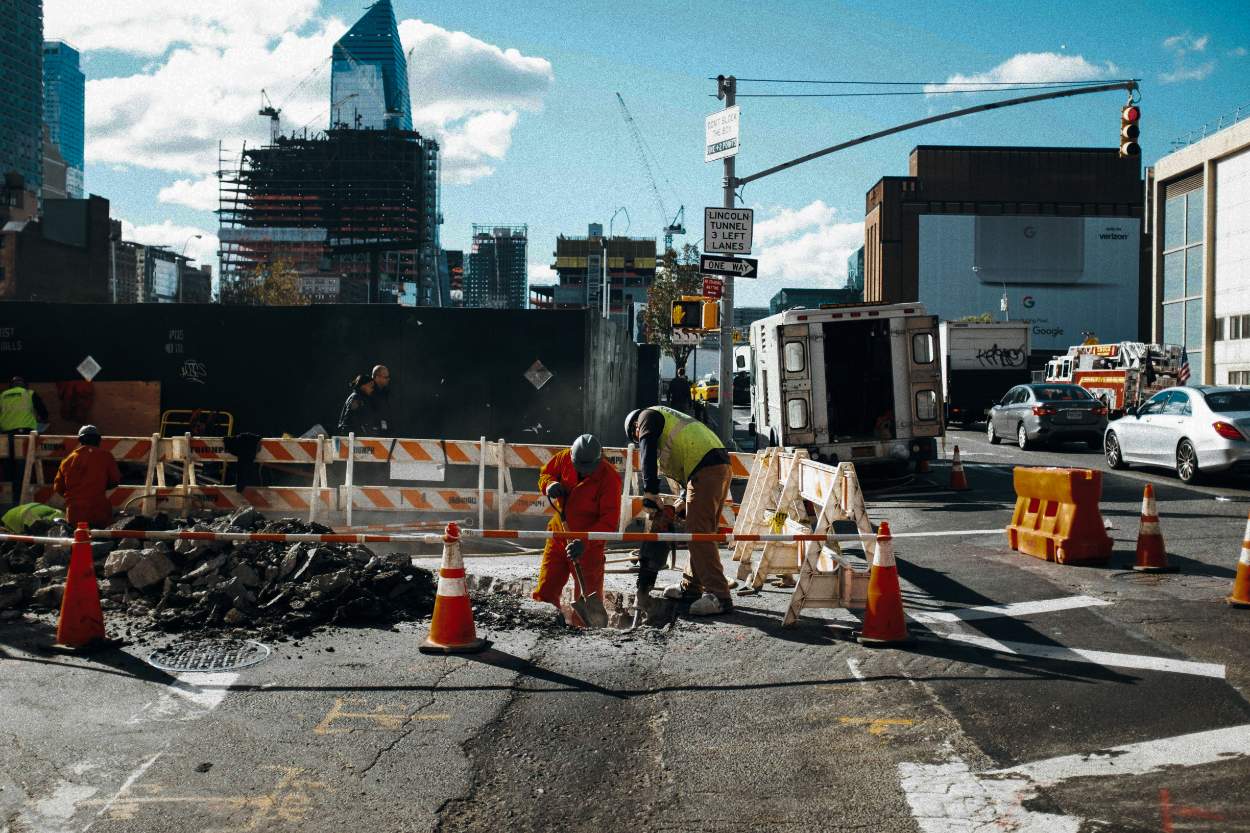
In New York City's ever-evolving construction landscape, effective collaboration among architects, designers, and project managers is essential. The value of shared knowledge and collective effort cannot be overstated.
This post explores how strong partnerships enhance project outcomes and foster innovation. By embracing a collaborative mindset, teams can transform challenges into opportunities that exceed community expectations.
The Essence of Collaboration in Modern Construction
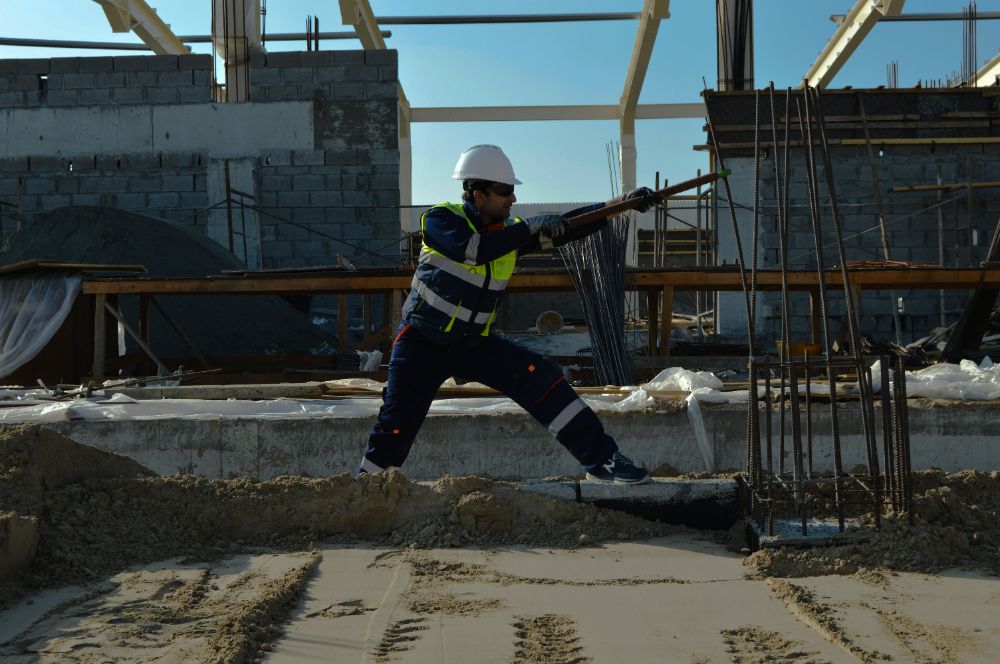
In NYC construction, the synergy between architects, designers, and project managers is imperative. Modern construction depends on blending diverse skills, knowledge, and perspectives to navigate urban development complexities.
How Each Role Contributes
Architects set the project vision. Designers fine-tune functional and aesthetic aspects. Project managers oversee execution from a logistical and financial standpoint. Together, these professionals ensure projects are viable, innovative, and responsive to community needs.
Effective partnerships go beyond completing a project on time and within budget. They embody a collective pursuit of excellence, where challenges are met with creative solutions. In NYC, where every project faces unique hurdles, collaboration transforms structural projects into landmarks that reflect the city's dynamic spirit.
Building Effective Partnerships: Key Strategies
Effective partnerships require more than a shared timeline. They hinge on strategic communication, mutual respect, and collective commitment to the project's goals.
- Establish clear communication channels: Define methods and frequency of communication from the outset. Use project management tools for real-time updates.
- Set mutual goals and expectations: Align early on vision, objectives, and key milestones. This shared understanding guides all decision-making.
- Leverage each other's strengths: Recognize the unique skills each team member brings. Combined expertise elevates design, functionality, and execution.
- Foster trust and transparency: Openly share challenges, successes, and feedback. Trust grows when contributions are valued.
- Celebrate milestones together: Recognizing achievements reinforces the partnership's value and motivates continued excellence.
These strategies help create a cohesive team that navigates NYC construction complexities with efficiency and innovation.
Overcoming Challenges Through Teamwork
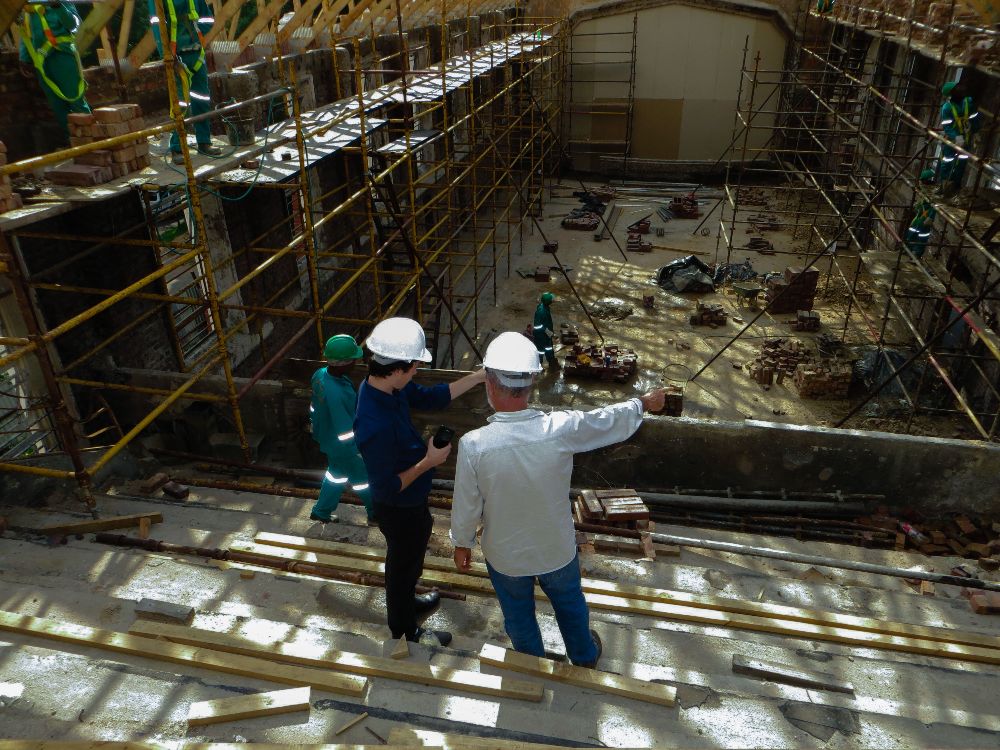
NYC construction projects face many challenges, from stringent regulations to unexpected site conditions. These obstacles underscore the value of collaboration. United expertise navigates hurdles more effectively than any individual effort.
Common Challenges and Collaborative Solutions
Navigating building codes: Architects work closely with project managers and expeditors to handle NYC's complex regulations. Designers ensure functional and aesthetic aspects remain intact. This collaborative approach ensures compliance while fostering creative solutions.
Managing stakeholder expectations: Clients, investors, and the community all need regular updates. A united team presents cohesive plans and builds trust through transparency. Constructive feedback then helps refine and improve the project.
Handling unexpected site conditions: Discovering historical artifacts or unforeseen structural challenges requires immediate problem-solving. Collaborative teams respond rapidly, leveraging shared expertise to devise solutions that respect the project's integrity and timeline.
Case Studies: Collaboration in Action
The High Line
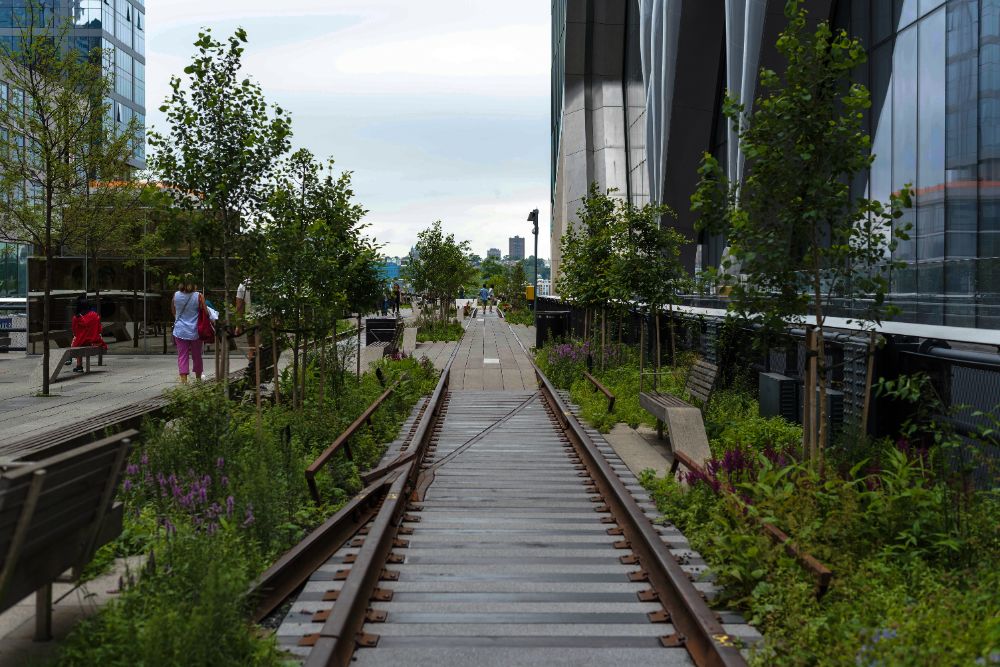
The High Line Park project transformed an obsolete elevated railway into a vibrant public space. The team faced a daunting challenge: preserving the structure's historical integrity while creating a functional, accessible green space.
Key challenges the team addressed:
- Balancing architectural preservation with modern design principles
- Integrating the park seamlessly with the surrounding urban landscape
- Selecting sustainable, native plant species adapted to the High Line's unique conditions
This project illustrates how collaboration and innovation can turn challenges into opportunities, creating a landmark that enhances the city's fabric.
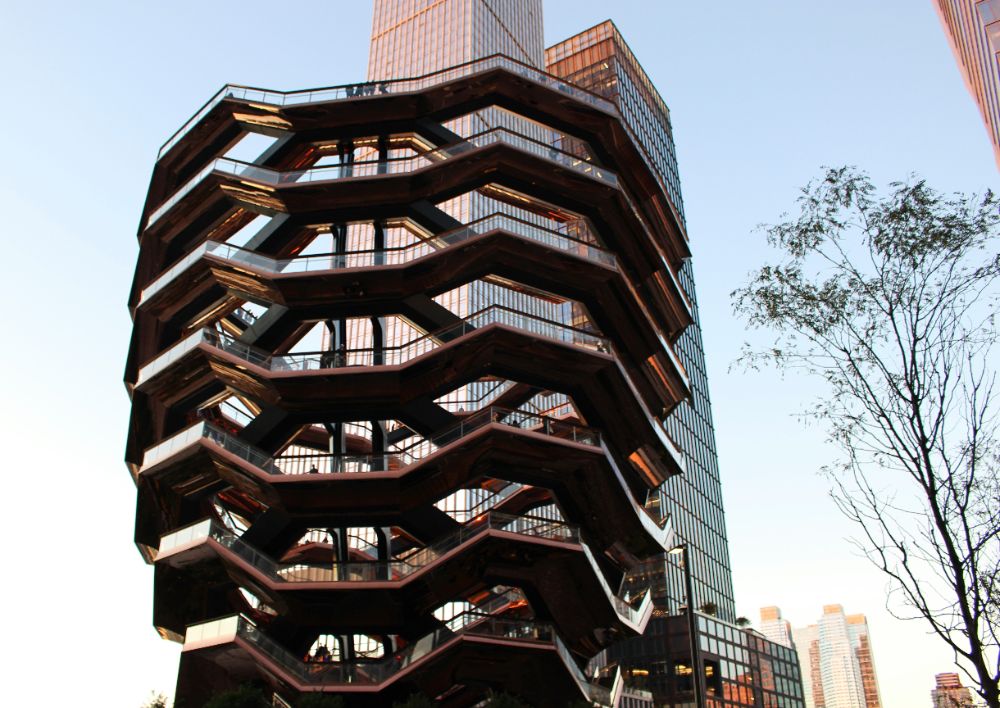
The Vessel
The Hudson Yards Vessel required architects, designers, and project managers to collaborate within NYC's largest private real estate development. Its unique design of staircases and platforms demanded advanced construction techniques.
The team managed logistical challenges in a busy urban area and coordinated with city regulators and the community. The completed Vessel demonstrates how teamwork drives architectural innovation.
Continued Collaboration
NYC's construction industry thrives on effective collaboration among architects, designers, and project managers. The challenges and case studies discussed underscore the importance of strong partnerships and open communication.
By building on collaborative foundations and embracing innovation, teams ensure project success. They also contribute to the architectural tapestry that defines New York City.