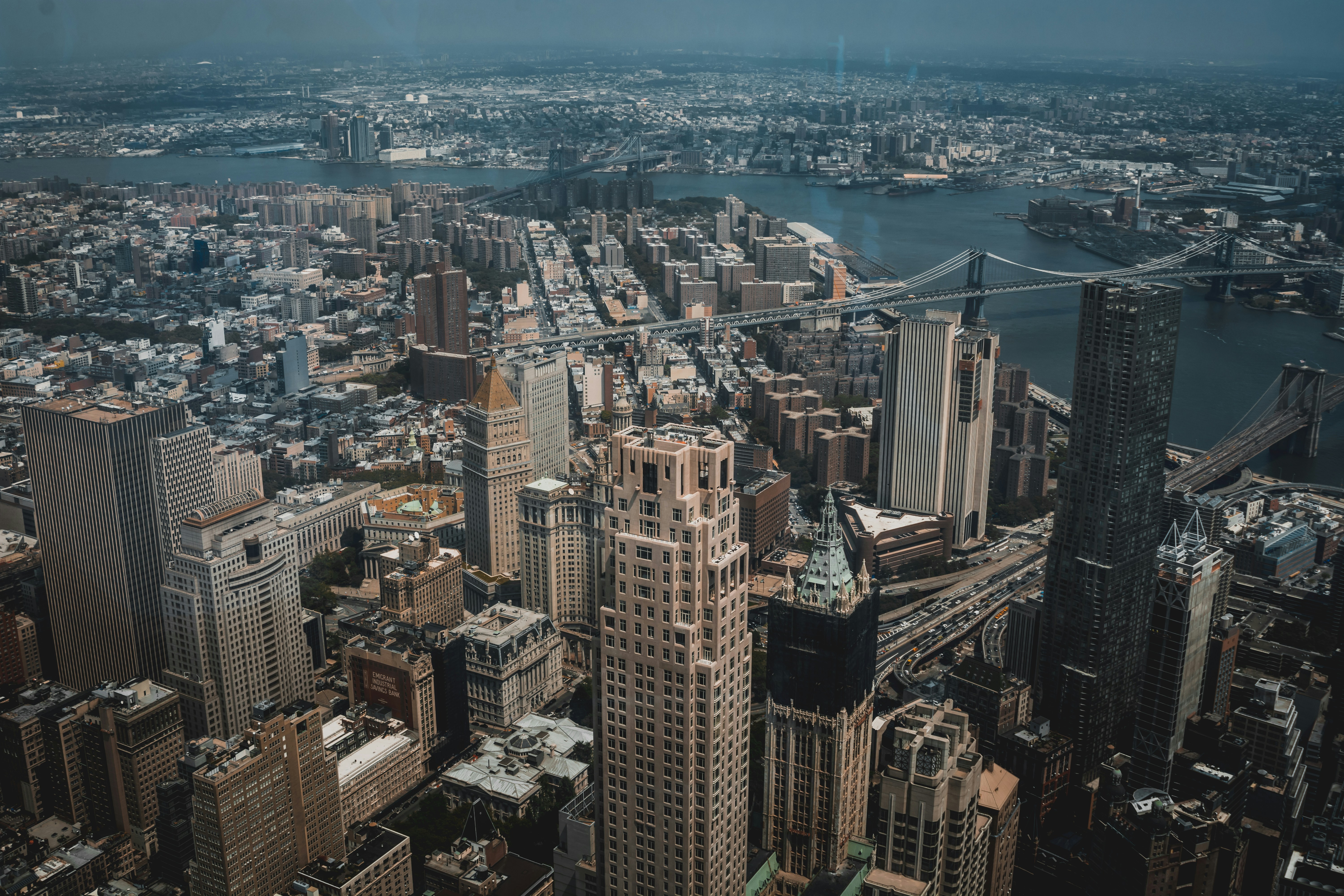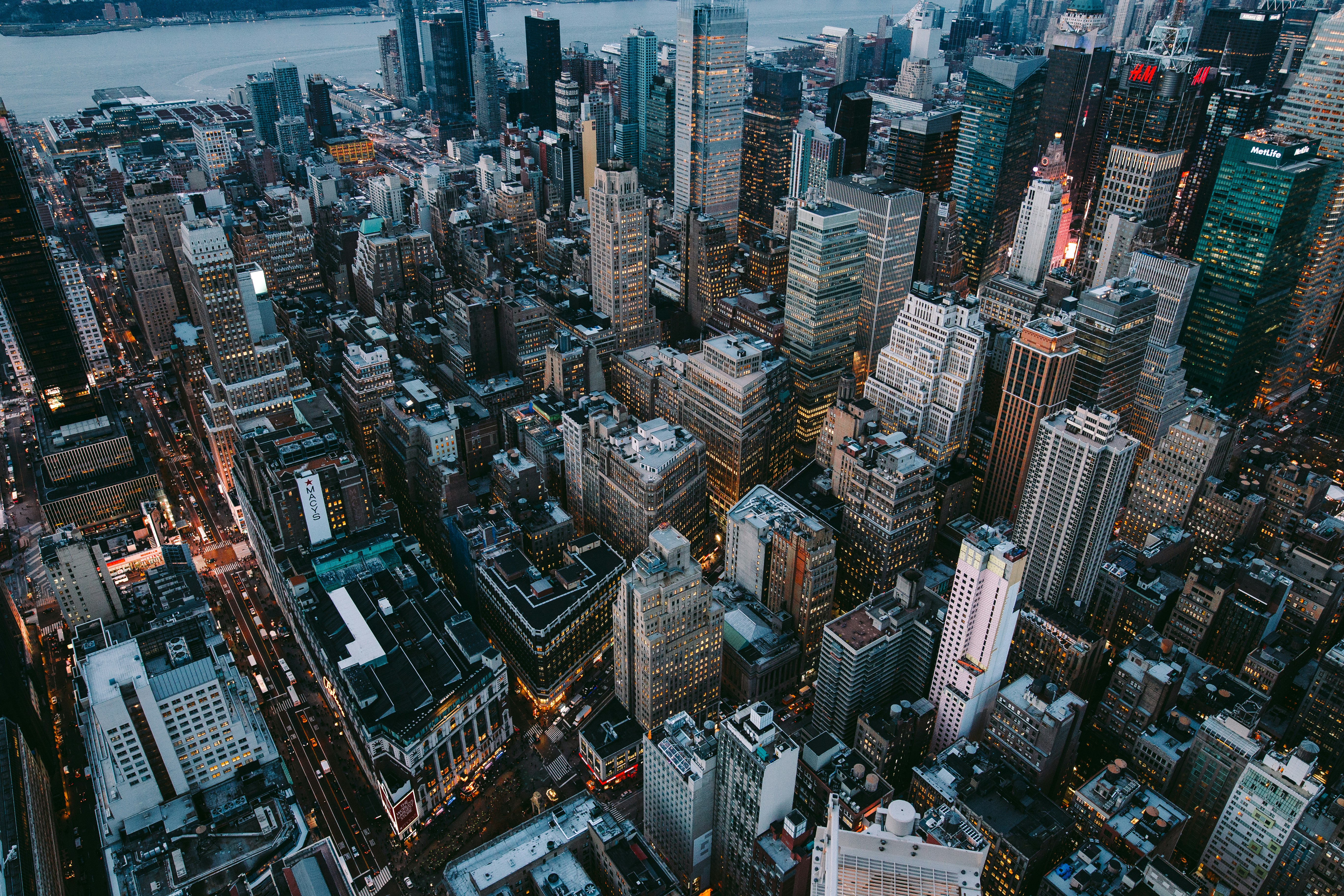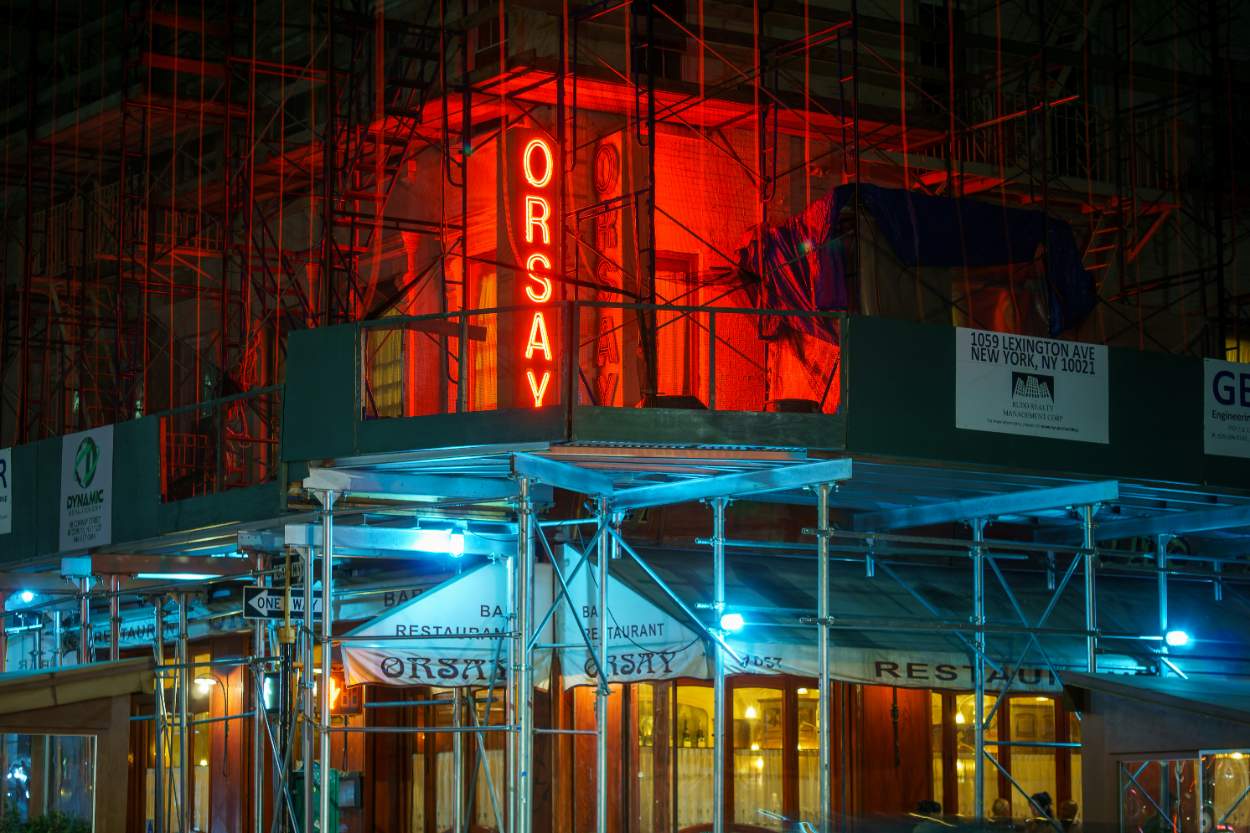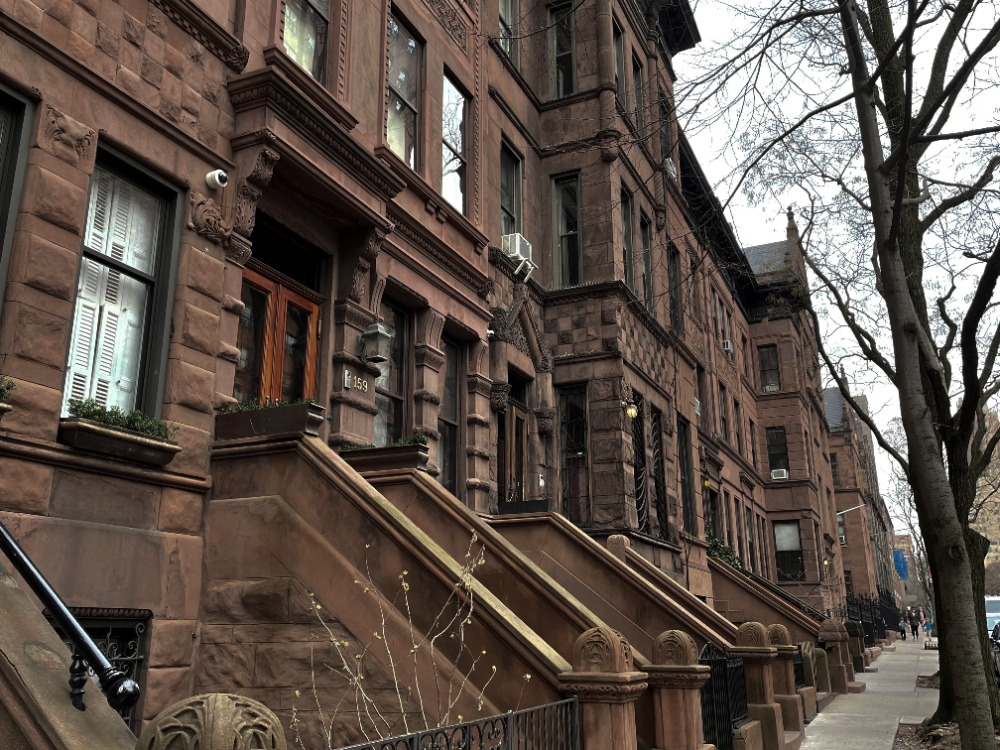
New York City is a mosaic of historical landmarks, each telling a story of the city's rich past. These structures -- from grand buildings to quaint brownstones -- are vital to preserving the cultural and historical fabric of NYC.
Renovating these landmarks is not just about maintaining physical structures. It is about preserving the legacy and identity of the city. This article explores the challenges and rewards of renovation, highlighting the balance between preservation and modernization.
The Value of Historic Preservation
Historic preservation in New York City is crucial for maintaining the city's unique character. Landmarks like the Statue of Liberty, the Empire State Building, and countless historic neighborhoods provide a tangible connection to the past. Legal protections enforced by the Landmarks Preservation Commission ensure these structures are preserved for future generations.
Community Benefits
Preserving landmarks also brings significant benefits to the community. It boosts tourism, as visitors from around the world come to see these iconic sites and support the local economy. Preserved landmarks also enhance community pride and contribute to the aesthetic richness of the city.
The Landmark Designation Process
The New York City Landmarks Preservation Commission (LPC) plays a crucial role in protecting the city's historic heritage. Established in 1965, the LPC identifies and designates landmarks and historic districts. The designation process begins with a nomination, which can be submitted by:
- Property owners
- Preservation groups
- Community members
Once nominated, the LPC evaluates the site based on historical, cultural, and architectural significance. Public hearings gather input from stakeholders and the community.
If the LPC approves the nomination, the site is officially designated as a landmark. This provides legal protections against demolition or inappropriate alterations, ensuring significant structures are preserved for future generations.
Common Challenges in Renovating Landmarks
Regulatory and Legal Hurdles
Renovating historical landmarks in NYC involves navigating complex regulatory and legal hurdles. Compliance with strict preservation guidelines is mandatory. Any alterations must not compromise the historical integrity of the structure. This often requires multiple permits and rigorous reviews, which can delay projects significantly.
Structural and Architectural Challenges
Many landmark buildings are old, with materials that have deteriorated over time. Finding appropriate materials and techniques to restore them is difficult. Integrating modern amenities -- such as updated electrical systems, HVAC, and accessibility features -- while preserving historical elements presents a delicate balancing act.
Financial Constraints
Renovating landmarks is often more expensive than constructing new buildings. Specialized labor and materials drive costs up. Securing funding can be a challenge, with many projects relying on a mix of public funds, private donations, and grants.
Successful Landmark Renovations
Grand Central Terminal
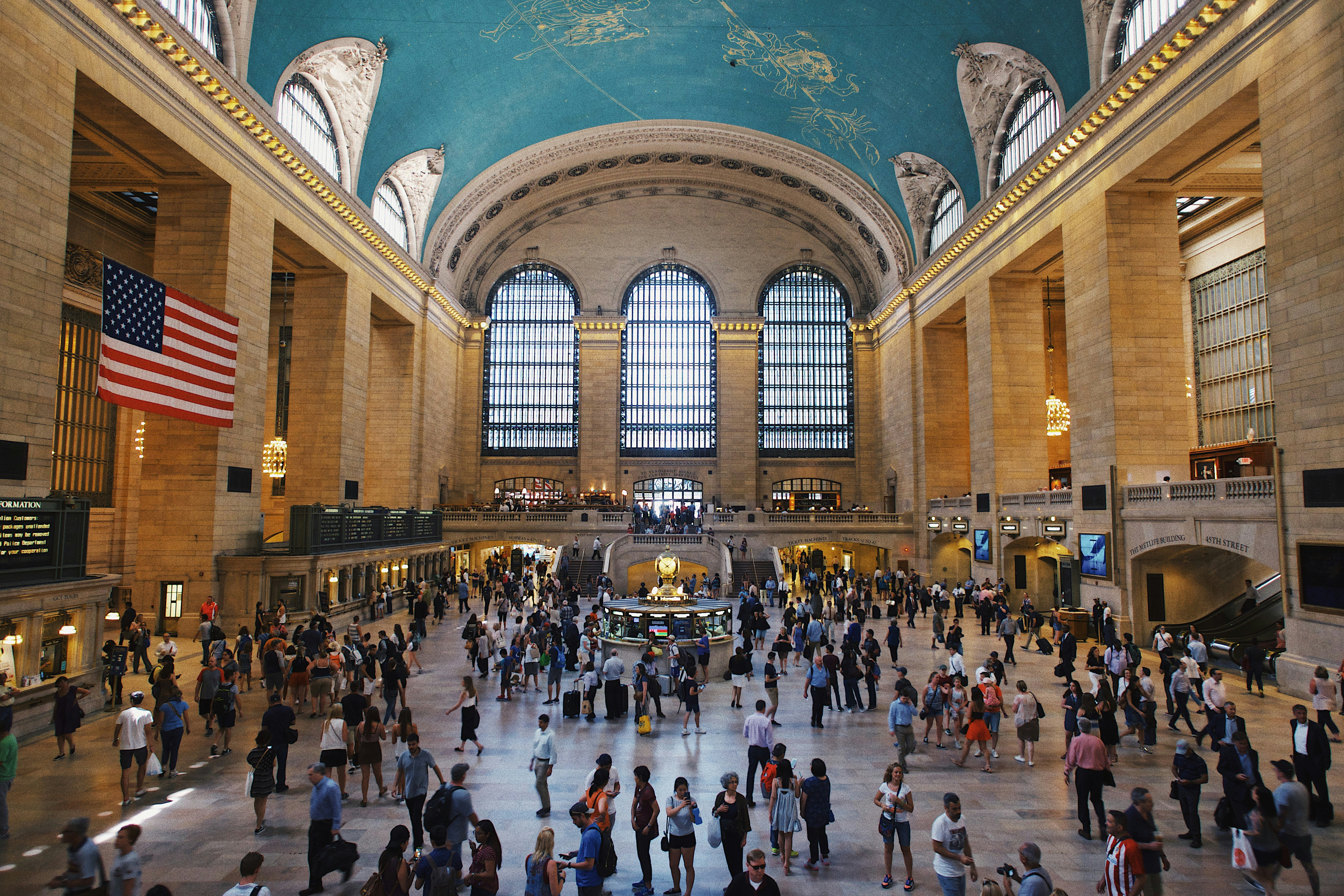
Grand Central Terminal underwent an extensive restoration in the 1990s. The project involved cleaning and repairing its iconic celestial ceiling and restoring the marble floors. Infrastructure was also updated for modern transportation needs. The renovation preserved historical integrity while enhancing functionality, drawing millions of visitors annually.
The Plaza Hotel
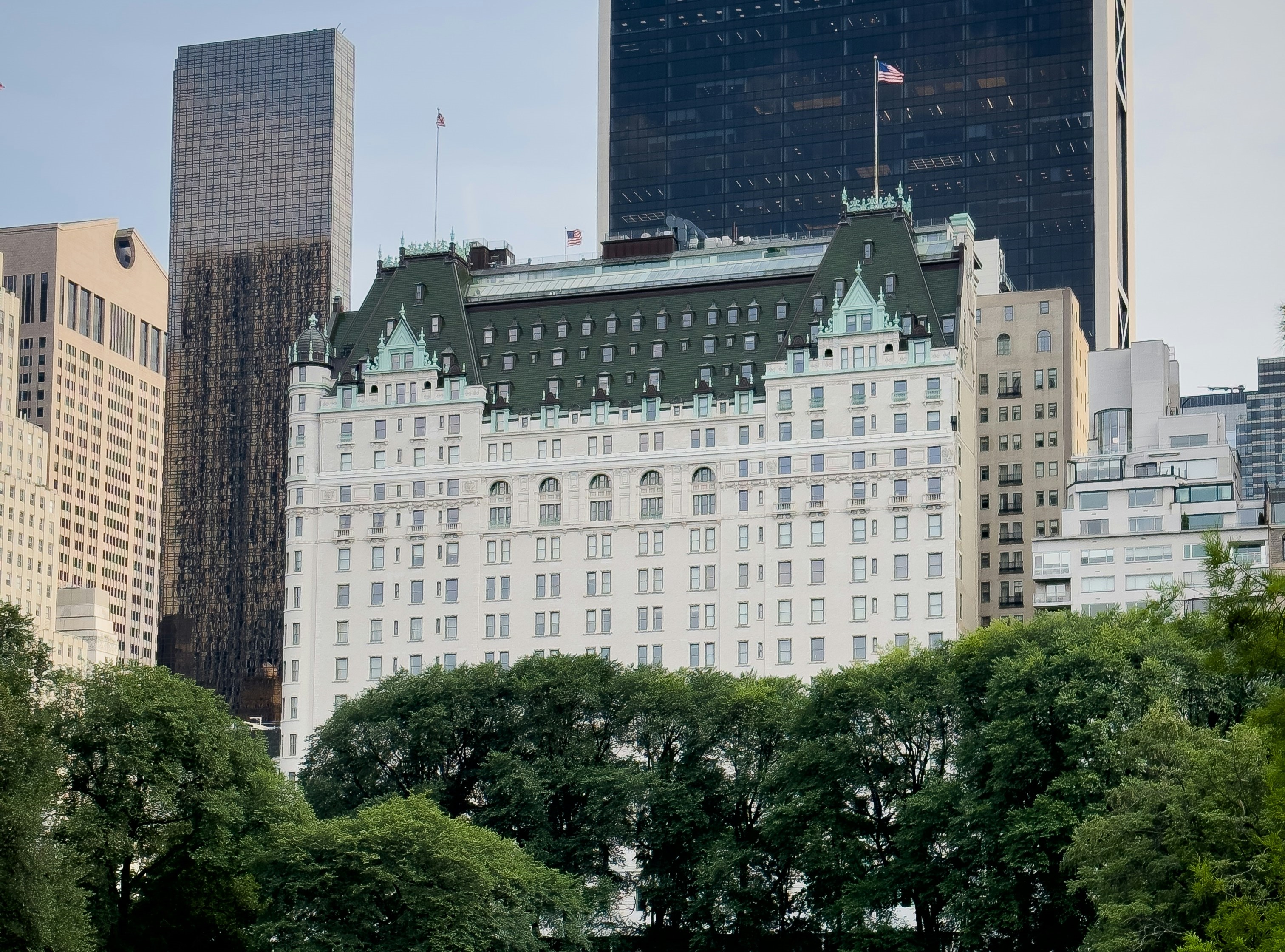
The Plaza Hotel has been a New York icon since 1907. Its renovation involved meticulous restoration of its Beaux-Arts architecture, including the Grand Ballroom and the Palm Court. Modern amenities were seamlessly integrated while retaining historic charm. The Plaza's success underscores how landmark buildings can thrive as both historic sites and functional modern spaces.
The Role of Architecture and Construction Firms
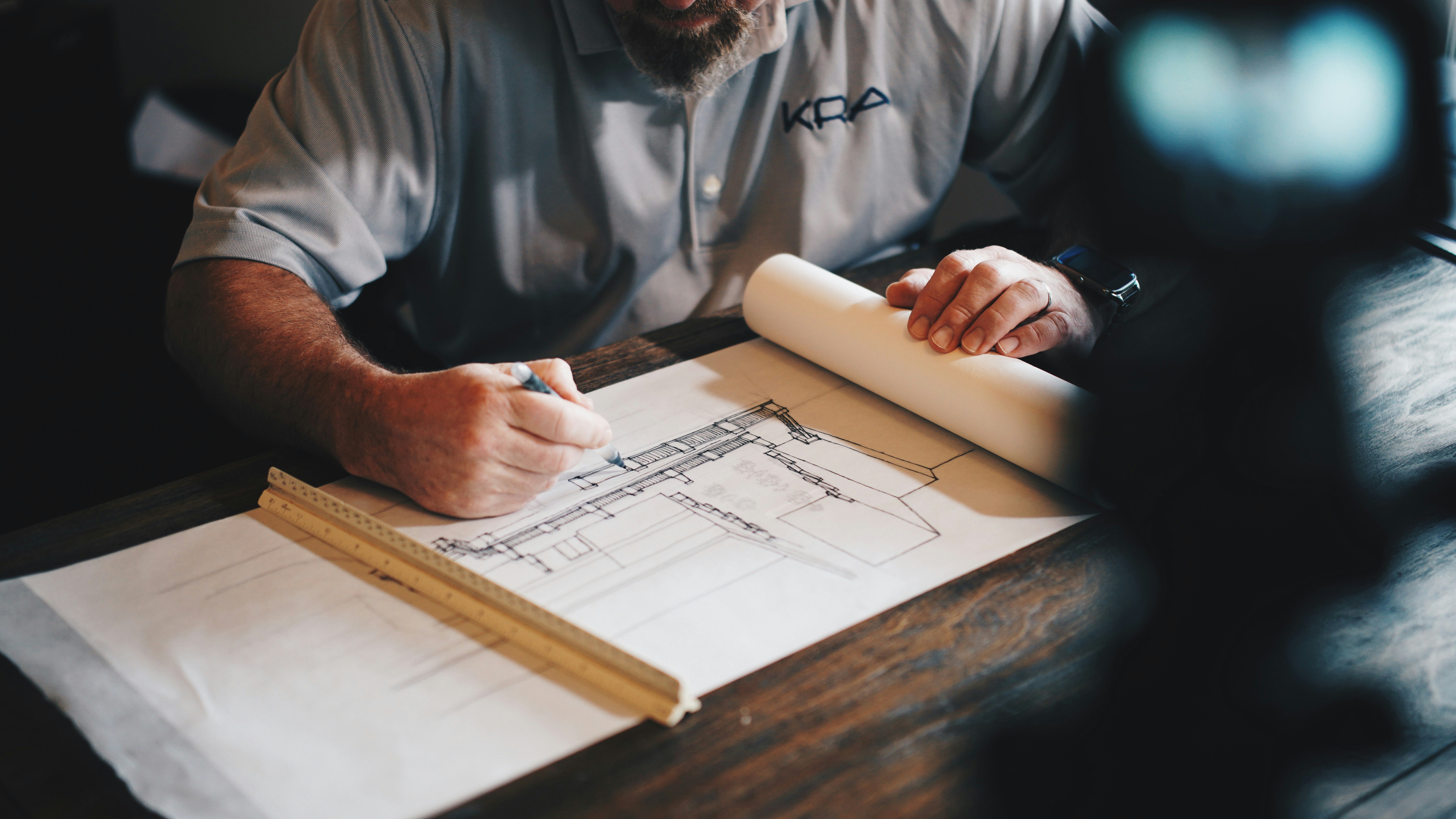
Architecture and construction firms play a pivotal role in landmark renovation. They bring specialized expertise in historical preservation, ensuring renovations meet both modern standards and historical accuracy. Firms like Beyer Blinder Belle and Walter B. Melvin Architects are renowned for this work.
Collaborative Approach
Collaboration with historians and preservationists is crucial. Architects and builders work closely with these experts to identify historically significant features and determine the best restoration methods. This ensures renovations are sensitive to the building's past and conducive to its future use.
Notable contributions include the restoration of the New York Public Library's main branch and the exterior rehabilitation of the Woolworth Building. These projects highlight the importance of skilled professionals in preserving NYC's architectural heritage.
The Rewards of Renovating Landmarks
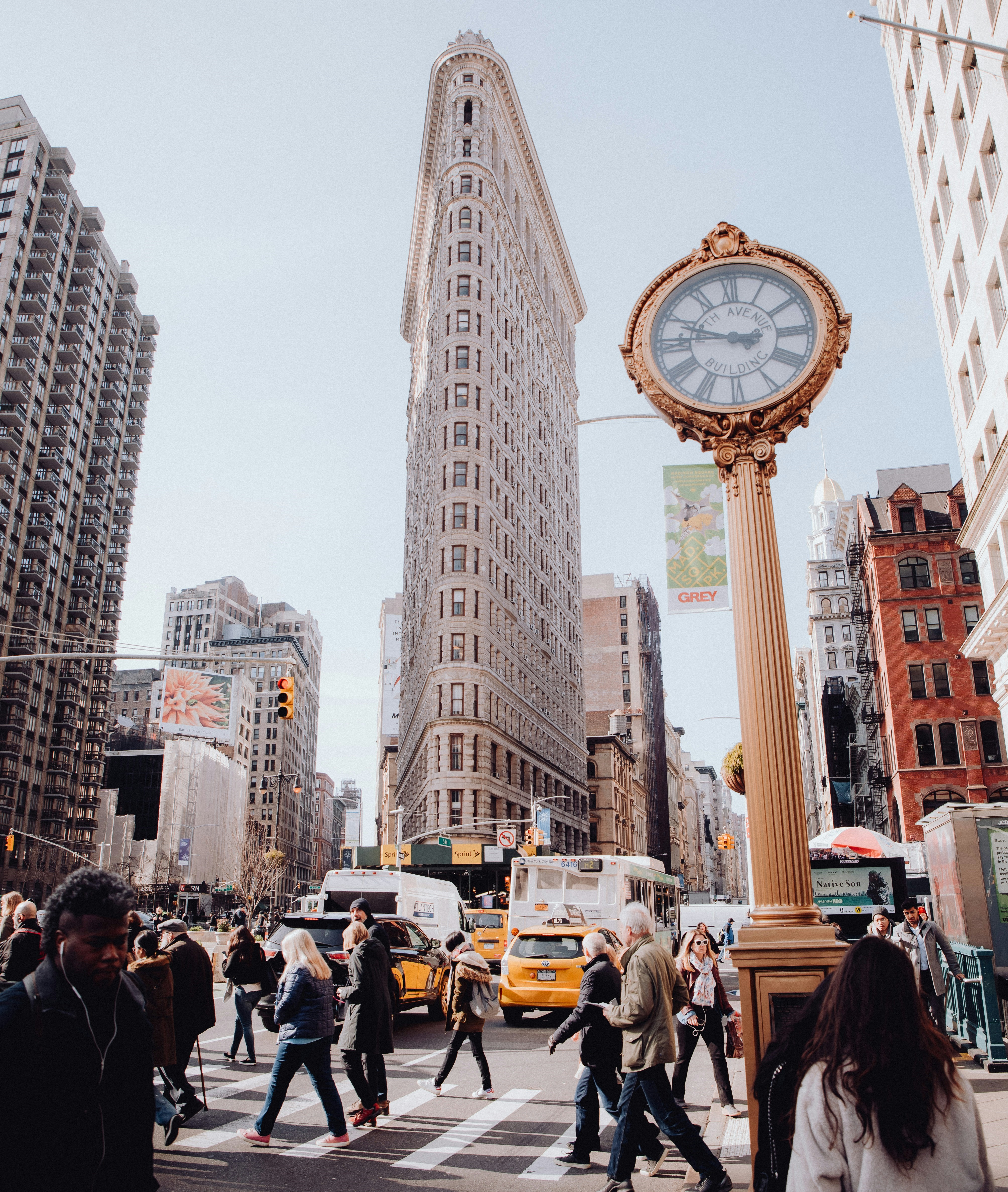
Renovating historical landmarks offers numerous rewards beyond the aesthetic. The key benefits include:
- Cultural value -- restored landmarks serve as educational resources and living museums, providing insight into NYC's architectural and social history
- Economic impact -- renovations boost tourism, support local businesses, and can increase property values in surrounding areas
- Community pride -- successful renovations strengthen residents' connection to their city's heritage
- Sustainability -- preserving landmarks reduces the need for new construction materials and minimizes waste
By maintaining and repurposing existing structures, the city promotes environmentally responsible development. The rewards of renovating landmarks are manifold, enhancing the city's cultural fabric and fostering community identity.