NYC Outdoor Dining: Compliance & Safety Regulations
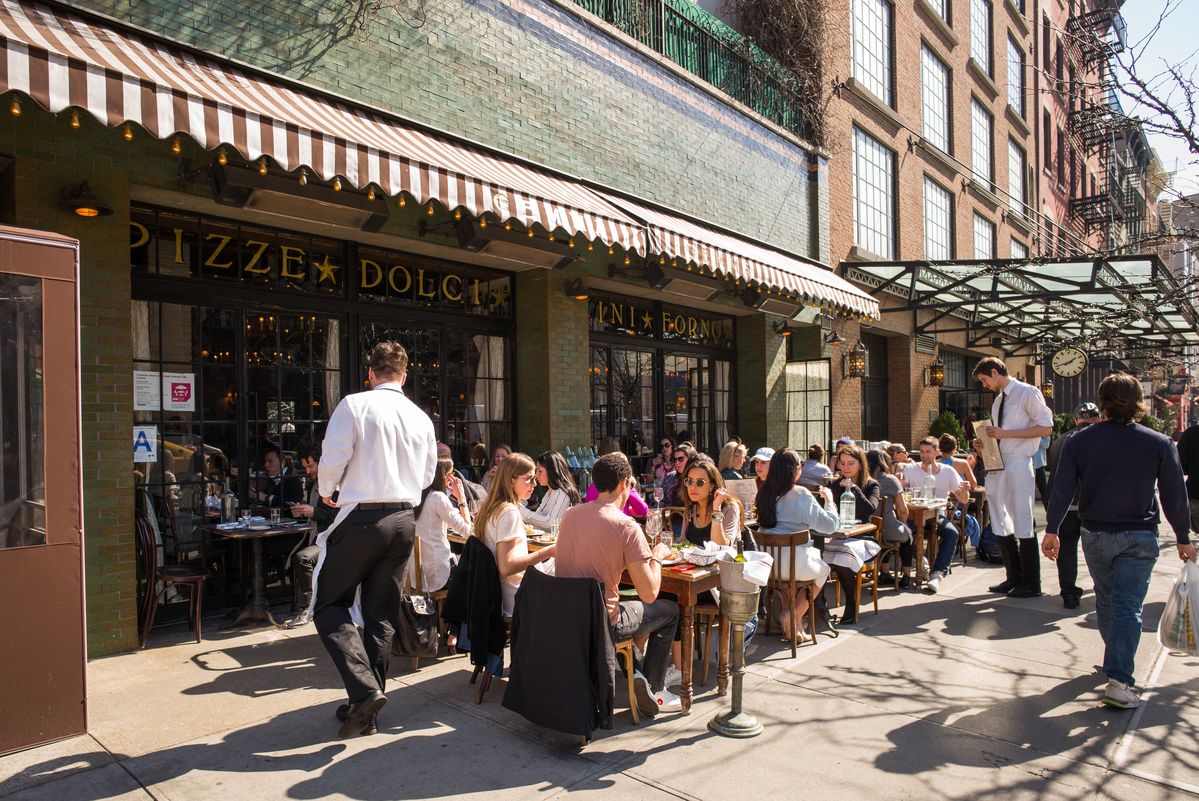
New York City's outdoor dining scene has become an integral part of its vibrant culture, offering residents and visitors unique culinary experiences. What started as a temporary measure during the pandemic has evolved into a permanent fixture in the urban landscape. However, operating an outdoor dining setup in NYC comes with a comprehensive set of regulations designed to ensure public safety, accessibility, and aesthetic harmony. For restaurant owners, understanding and meticulously adhering to these guidelines is not just about avoiding costly violations, but about creating a safe, welcoming, and compliant environment for patrons and the public alike.
The transition from the emergency Open Restaurants program to a permanent outdoor dining initiative, managed by the NYC Department of Transportation (DOT), has introduced new permit requirements, design standards, and operational rules. This blog post will delve into the critical safety regulations and compliance measures that every NYC outdoor dining establishment must uphold to ensure successful and permitted operation.
Understanding the Permanent Outdoor Dining Program
The permanent outdoor dining program, often referred to as 'Dining Out NYC,' aims to integrate outdoor dining as a year-round amenity while addressing concerns about safety, sidewalk accessibility, and urban aesthetics. While the enthusiasm for al fresco dining remains high, the regulatory framework has become more stringent, requiring property owners and restaurant operators to apply for new permits and adhere to updated design and operational standards. Failure to comply can lead to substantial fines, violation notices, and even the removal of outdoor dining structures.
Key Agencies and Their Roles
- NYC Department of Transportation (DOT) – The primary agency overseeing the Dining Out NYC program, responsible for issuing permits, setting design standards for roadway and sidewalk cafes, and enforcing compliance. You can find detailed information and application processes on the DOT website.
- NYC Department of Buildings (DOB) – While DOT handles permitting for the physical dining setup, the DOB is responsible for ensuring the structural integrity and safety of any temporary or permanent structures, including electrical, plumbing, and fire safety components. DOB may issue violations related to unpermitted work or unsafe conditions.
- Fire Department of New York (FDNY) – Ensures that outdoor dining areas comply with fire safety regulations, particularly concerning heating elements, sprinkler systems, and emergency egress.
- Mayor's Office for People with Disabilities (MOPD) – Consulted by DOT to ensure that outdoor dining setups meet stringent accessibility requirements under the Americans with Disabilities Act (ADA).
Essential Safety & Accessibility Regulations
Safety and accessibility are paramount in the design and operation of any NYC outdoor dining area. These regulations protect both patrons and the general public, preventing obstructions, hazards, and ensuring inclusive access for all.
Accessibility Requirements (ADA Compliance)
- Clear Path of Travel – A continuous, unobstructed pathway of at least 8 feet must be maintained on the sidewalk adjacent to the outdoor dining area for pedestrians, ensuring compliance with ADA accessibility standards. This applies to both sidewalk and roadway cafes.
- Ramps and Level Surfaces – Any changes in elevation must be accommodated by properly sloped ramps or leveling mechanisms, ensuring wheelchair accessibility. Details and specifications are provided in DOT's design guidelines.
- Entry and Exit Points – Outdoor dining areas must have clear and accessible entry and exit points, free from clutter and obstructions.
Structural and Design Standards
- Material and Construction – Structures must be built with durable, weather-resistant, and non-combustible materials where required. Designs must be approved by DOT, often requiring professional engineering plans.
- Anchoring and Stability – Structures, especially those in the roadway, must be properly anchored to prevent movement or collapse due to wind, traffic, or other external forces.
- Barriers and Enclosures – Roadway cafes require robust barriers (e.g., concrete blocks, planters) to protect diners from traffic, adhering to specific height and material requirements set by DOT. These must be clearly visible.
- Roofing and Overhead Structures – Any overhead coverings must be securely fastened, designed to withstand wind loads, and not impede fire safety systems or emergency access.
Fire Safety Regulations (FDNY)
- Heating Elements – All heating devices (e.g., propane heaters, electric heaters) must comply with FDNY regulations regarding clearance from combustible materials, ventilation, and fueling. Propane tanks often have storage limits and specific safety requirements.
- Emergency Egress – Outdoor dining setups must not block building exits, fire escapes, or emergency access for first responders. Clear pathways must be maintained.
- Sprinkler Systems – If the outdoor dining area extends near or under a building's existing sprinkler system, compliance with fire codes may require adjustments or extensions, subject to DOB and FDNY approval.
Operational Compliance and Maintenance
Beyond initial construction, continuous operational compliance is essential for avoiding violations and ensuring the longevity of your outdoor dining setup.
Permit Display and Hours of Operation
- Permit Display – Your valid outdoor dining permit must be prominently displayed as required by DOT.
- Hours of Operation – Adhere to the specified hours of operation for your outdoor dining area, typically until midnight on weekdays and 1 AM on weekends, but this can vary by zoning and location.
Cleanliness and Maintenance
- Sanitation – Maintain high standards of cleanliness, including regular garbage removal and cleaning of the dining area and surrounding public space.
- Structural Integrity – Regularly inspect the outdoor dining structure for any signs of wear, damage, or instability. Promptly address repairs to ensure safety.
- Winterization/Seasonal Removal – Depending on the permit type and design, structures may need to be removed or adapted for winter weather conditions, as per DOT guidelines.
Common Violations and How to Avoid Them
Ignorance of the regulations is not a defense against violations. NYC agencies are proactive in enforcement, and fines can be substantial. Here are some frequent issues:
- Operating without a Valid Permit – The most fundamental violation. Ensure your permit is current and correctly issued by DOT.
- Obstructing Sidewalks (ADA Non-Compliance) – Failing to maintain the 8-foot clear path or blocking entrances/exits. This is a common and serious violation.
- Unapproved Structures/Materials – Building or modifying outdoor dining setups without DOT approval, or using non-compliant materials.
- Exceeding Permitted Dimensions – Extending the dining area beyond the approved footprint.
- Fire Safety Hazards – Improper use or storage of heating elements, blocked egress, or issues with fire suppression systems.
- Lack of Maintenance – Allowing structures to become dilapidated, dirty, or unsafe.
The Permit Application Process Overview
Navigating the permit application process for permanent outdoor dining can be complex, involving multiple steps and requirements:
- Review DOT Guidelines – Start by thoroughly reviewing the Official Dining Out NYC Design Manual and program rules.
- Prepare Design Plans – Hire a licensed architect or engineer to create detailed design plans that adhere to all DOT, DOB, and FDNY specifications. This often includes structural plans, fire safety plans, and accessibility details.
- Gather Supporting Documents – This typically includes proof of insurance, Certificate of Occupancy for the building, and potentially landlord consent.
- Submit Application to DOT – Apply through the NYC Streetworks portal. This may involve multiple rounds of review and revisions.
- DOB and FDNY Review (as needed) – Depending on the complexity and type of structure, DOB and FDNY may need to review and approve specific aspects of the design.
- Construction and Inspection – Once permitted, construct the outdoor dining area according to the approved plans. Building inspections by DOT, DOB, and/or FDNY may occur during or after construction.
- Ongoing Compliance – Maintain operational compliance, including cleanliness, maintenance, and adherence to permitted hours.
How BVS Can Help with Outdoor Dining Compliance
Navigating the intricacies of NYC's outdoor dining regulations can be a daunting task for even the most experienced restaurant owners. At BVS (Building Violation Solutions), we specialize in simplifying this complex process, ensuring your outdoor dining setup is fully compliant, safe, and free from violations.
Our team of experts can assist you with:
- Permit Expediting – We streamline the application process for DOT outdoor dining permits, including liaising with DOB and FDNY for necessary approvals, saving you time and frustration.
- Design Review & Compliance – We work with architects and engineers to ensure your outdoor dining design meets all current DOT, DOB, FDNY, and ADA requirements, proactively identifying potential compliance issues before they become violations.
- Violation Removal – If you've received violations related to your outdoor dining setup, we can help you understand the notices, develop a corrective action plan, and navigate the process of dismissing penalties and achieving compliance.
- Code Consulting – We provide expert advice on local laws, zoning regulations, and building codes specific to outdoor dining structures, helping you make informed decisions.
- Ongoing Compliance Checks – We can conduct periodic reviews to ensure your outdoor dining area remains compliant with all operational and maintenance standards, helping you avoid future violations.
Don't let complex regulations hinder your outdoor dining success. Contact BVS today for a consultation and ensure your establishment operates smoothly, safely, and legally.
Services Offered
BVS handles the NYC compliance work behind every topic in this article. Explore the related services below:
Building Violation Removal
End-to-end resolution for DOB, ECB, FDNY and HPD violations.
Permit Expediting
Fast-track DOB, FDNY and DOT permits through every agency portal.
Certificate of Occupancy
Obtain, amend and renew COs and TCOs across all NYC building types.
Property Analysis
Pre-purchase compliance, violation and CO due diligence reports.