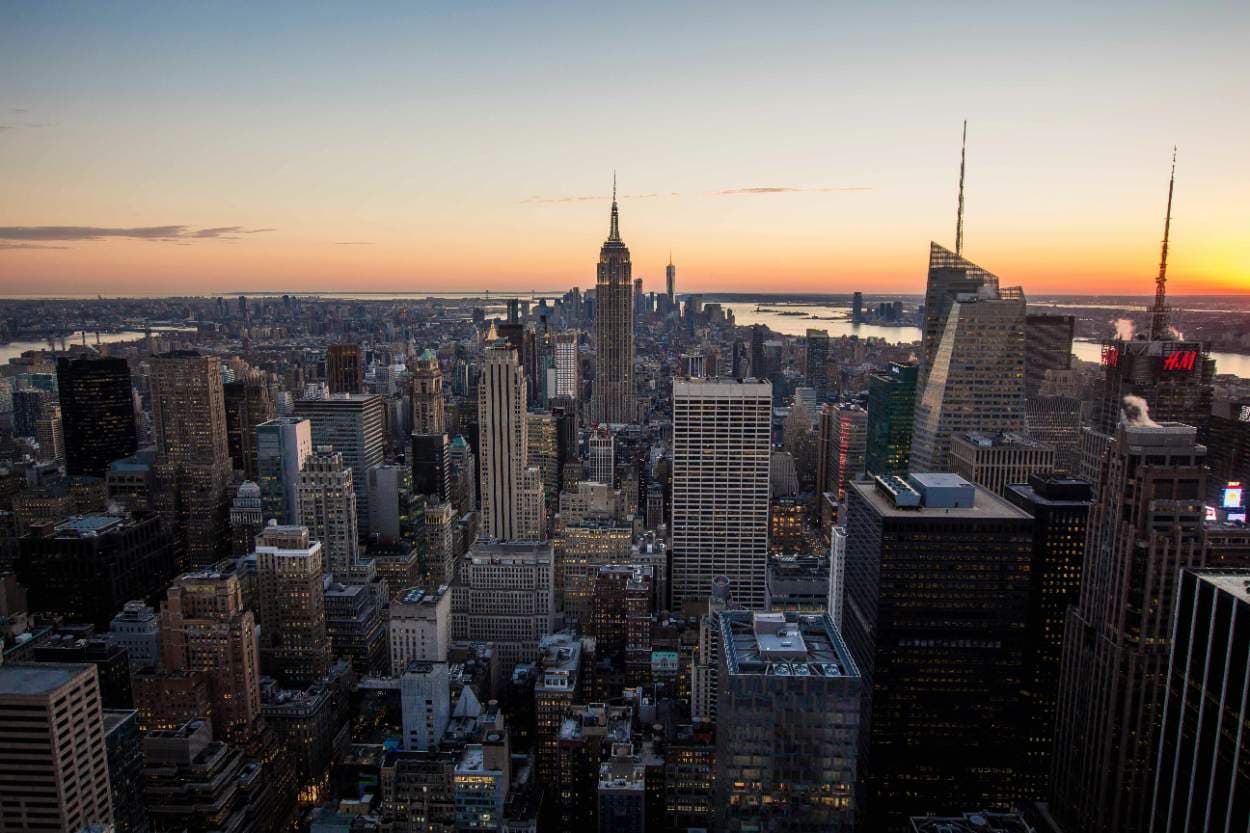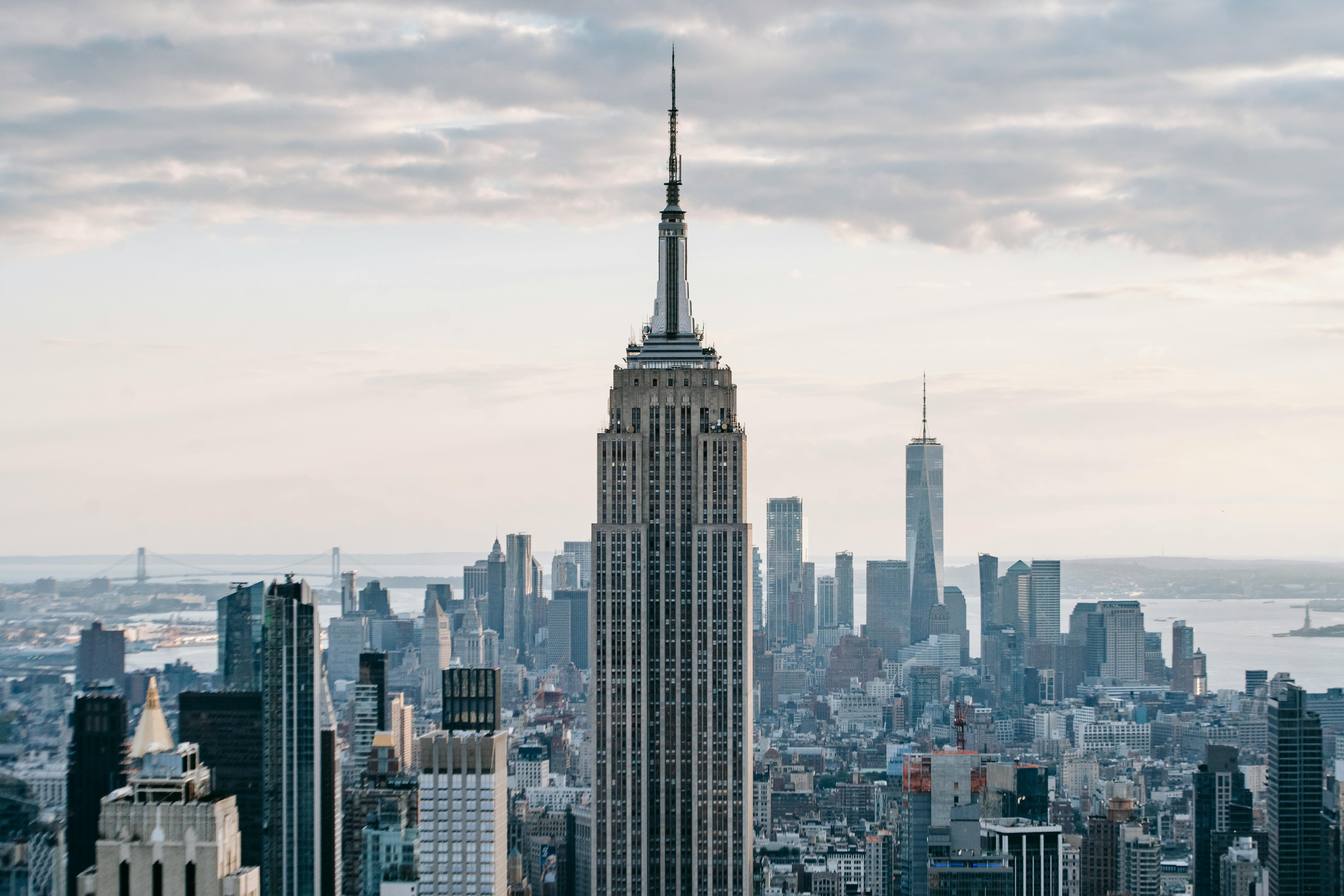
The skyscraper stands as a testament to human ingenuity and ambition. These architectural giants embody more than technical prowess. They represent the evolving aspirations and challenges of the societies that build them.
From Chicago's pioneering steel frames to the gleaming superstructures of today, skyscraper evolution tells a story of technological advancement and cultural shifts. As cities have grown upward, skyscrapers have become focal points of urban development, reflecting the economic, environmental, and social currents of their times.
The Genesis of Skyscrapers: Architectural Innovations of the 19th Century
The concept of the skyscraper was born in late 19th-century America, a period marked by rapid industrialization. The Home Insurance Building in Chicago, erected in 1885, is heralded as the first true skyscraper.
Designed by William Le Baron Jenney, this 10-story building used a steel frame for support. This was a major departure from traditional load-bearing wall construction. The Bessemer process made it possible by reducing the cost of steel production.
The Role of the Elevator
The safety elevator, invented by Elisha Otis in the 1850s, was another critical breakthrough. Buildings were no longer limited by the number of stairs people would climb. Together, these innovations laid the groundwork for the skyscrapers that would define the 20th century.
Early 20th Century: The Race to the Sky
The early 20th century saw an unprecedented skyscraper boom, fueled by economic prosperity and American capitalism. New York City, with its dense population and limited land, became the epicenter of this architectural renaissance — a vertical expansion later supercharged by the trade of air rights between adjacent lots.
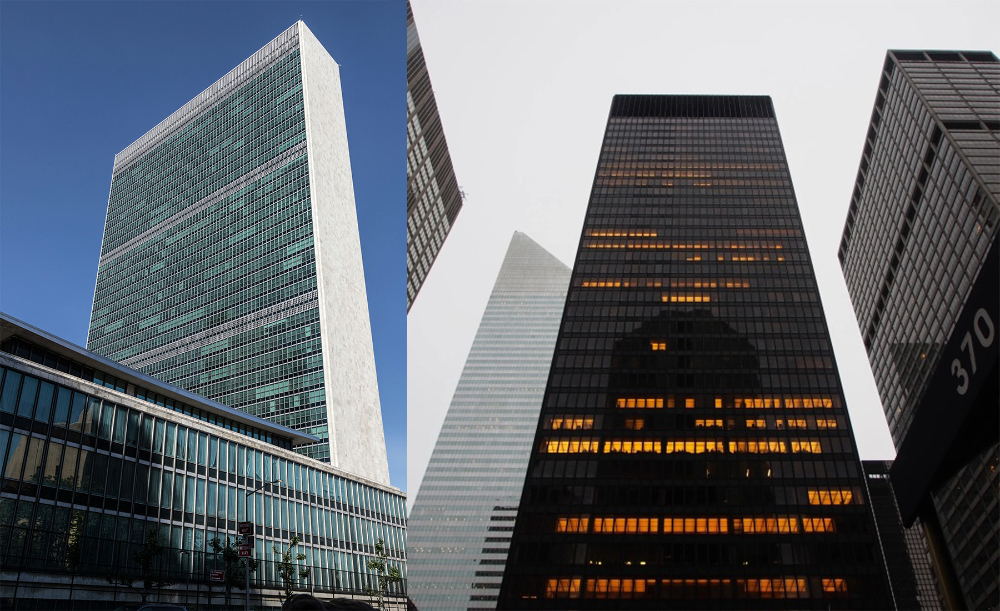
The Woolworth Building, completed in 1913, exemplified the era's blend of commercial ambition and Gothic-inspired architecture. At 792 feet, it was the world's tallest building at the time.
Iconic Towers of the 1930s
The race to the sky reached new heights with two landmark completions:
- Chrysler Building (1930): Known for its distinctive Art Deco styling and stainless-steel spire, it briefly held the tallest building title.
- Empire State Building (1931): Standing at 1,454 feet, it remained the world's tallest for nearly four decades.
These skyscrapers were not merely office spaces. They were monuments to modernity, incorporating cutting-edge engineering to create symbols of human achievement.
Mid-20th Century: The Influence of International Style
World War II brought a reassessment of architectural priorities, leading to the rise of the International Style. This movement emphasized simplicity, functionality, and modern materials. It departed from the ornate designs of the past.
Pioneers like Le Corbusier, Ludwig Mies van der Rohe, and Walter Gropius championed the idea that form should follow function.
Landmark International Style Buildings
- United Nations Headquarters (1952): Designed by Wallace K. Harrison's team, this sleek glass-and-steel building symbolized post-war optimism.
- Seagram Building (1958): Designed by Mies van der Rohe and Philip Johnson, it epitomized the International Style with its minimalist aesthetic and public space integration.
These buildings reflected a global shift toward architectural modernism. They influenced skyscraper design worldwide by prioritizing clean lines and modern construction materials.
The Late 20th Century: Technological Advancements and the High-Tech Movement
The late 20th century brought significant technological innovation to skyscraper architecture. Key developments included high-strength concrete, advances in steel production, and computer-aided design (CAD) technology.
This era saw the emergence of the high-tech movement, which displayed a building's structural components as aesthetic elements.
Pushing Height Boundaries
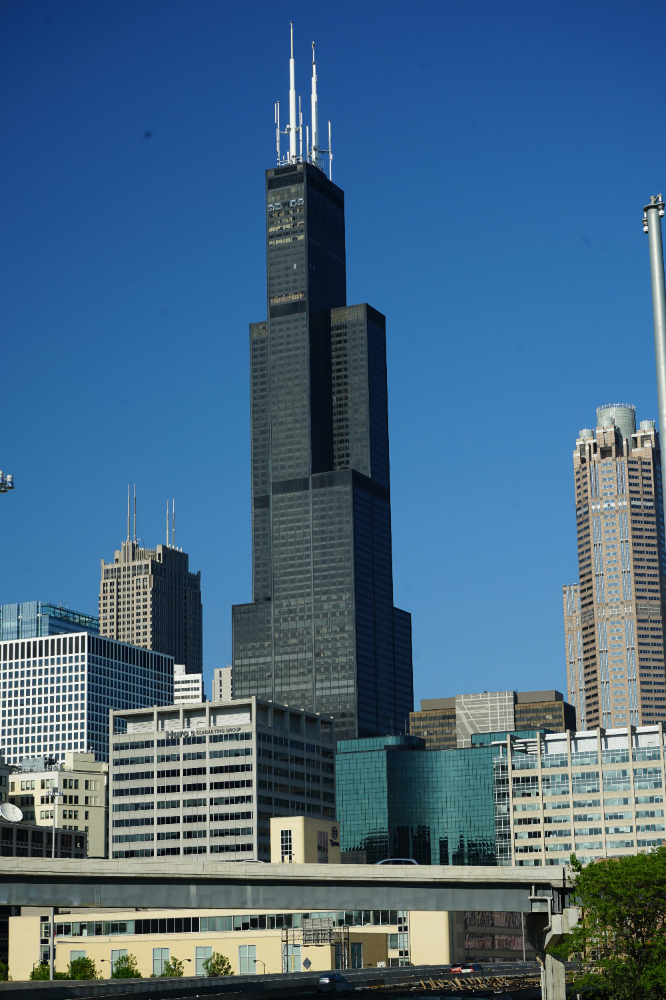
- Willis Tower (1973), Chicago: Formerly the Sears Tower, its innovative bundled-tube design by Fazlur Rahman Khan made it the world's tallest building at completion.
- Petronas Towers (1996), Kuala Lumpur: Designed by Cesar Pelli, these towers incorporated Islamic motifs and became the world's tallest upon completion.
The 21st Century: Sustainability and the Vertical Cities Concept
In the 21st century, the narrative around skyscrapers shifted toward sustainability and green technology. Buildings now aim to minimize their ecological footprint through energy-efficient systems and sustainable materials.
Leading Examples of Sustainable Design
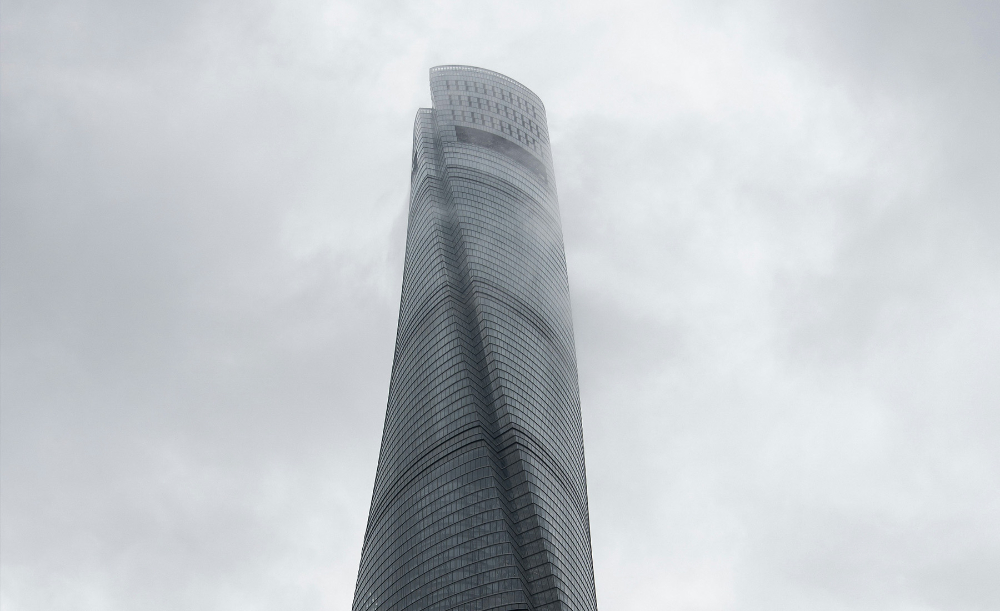
- Shanghai Tower (2015): Designed by Gensler, its spiral form reduces wind load. It extensively uses green technologies, making it one of the most sustainable tall buildings.
- Burj Khalifa (2010): The world's tallest building integrates water-saving systems and energy-efficient lighting.
The Vertical Cities Concept
Architects increasingly view skyscrapers as vertical cities. These multifunctional structures incorporate residential, commercial, and public spaces. The goal is to address urban density challenges while making cities more livable and sustainable.
Innovations Shaping the Future
The future of skyscrapers is being shaped by advancements in technology and materials. Key innovations include:
- 3D printing: Enables more efficient construction processes.
- New materials: Carbon fiber and ultra-high performance concrete offer lighter, stronger structures.
- Multi-directional elevators: Could transform how people move through skyscrapers.
These technologies promise greater design flexibility and efficiency. As architects and engineers continue exploring these possibilities, skyscrapers will remain at the forefront of architectural innovation.