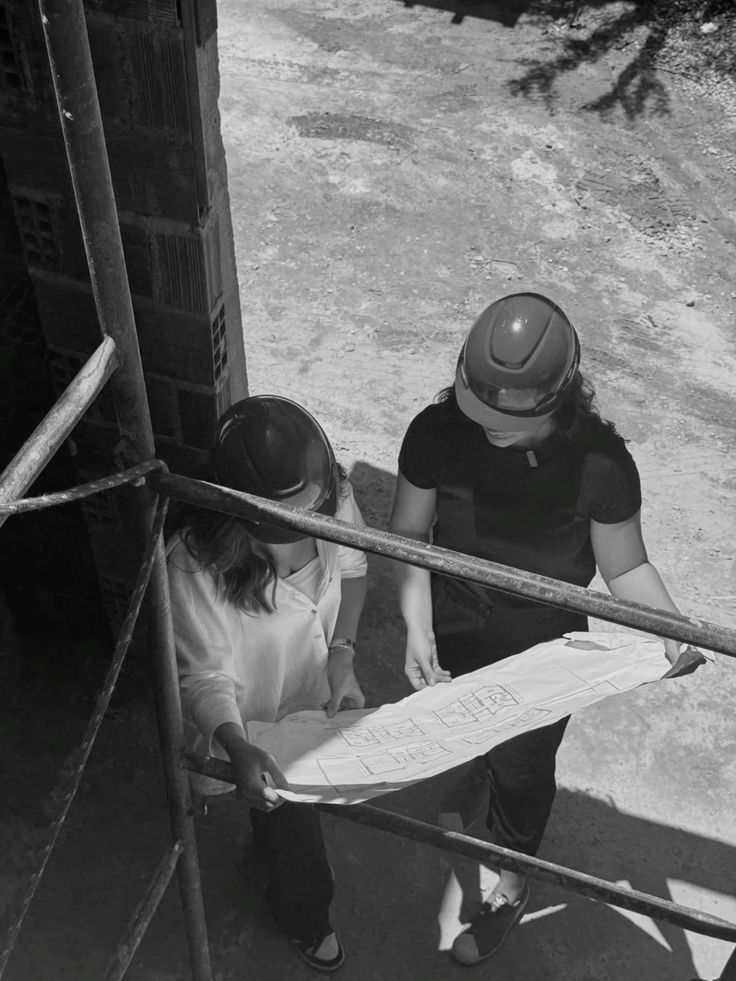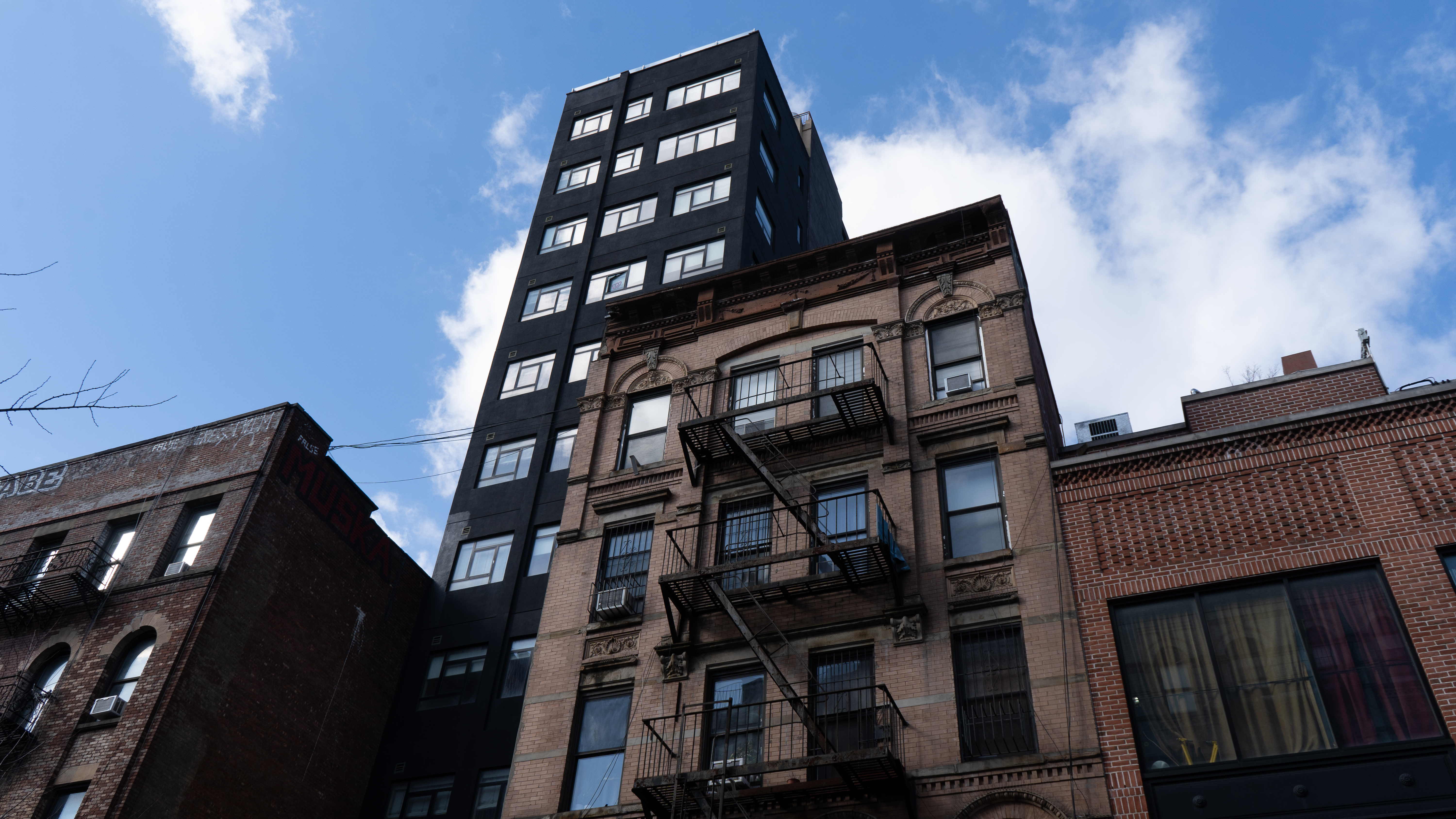
Architectural design in commercial projects covers many moving parts. It requires expert management and careful planning.
For real estate managers, understanding each phase of design is key. It helps keep projects on track and within budget.
This guide breaks down the design process in clear terms. It covers how to work with architects, plan projects, manage budgets, and handle regulatory rules.
Partnering with an Architect
Picking the right architect is one of the most important decisions you will make. An architect does more than create a visual concept.
They must balance looks with function, all within your budget and regulatory limits.
How to Choose the Right Architect
When assessing an architect, look at:
- Their past work and portfolio
- How they balance design with practical needs
- Their experience with similar projects
Open communication from day one is essential. Make sure the architect fully understands your goals, timelines, and financial limits.

Vision and Planning: Understanding Your Project Needs
Good design starts with a clear vision and solid planning. Real estate managers need to understand the project's specific goals from the start.
What to Cover in Early Planning
This stage involves detailed talks with stakeholders. Together, you should define:
- The project's purpose and target audience
- Desired outcomes and deliverables
- Location-based design and regulatory needs
- A realistic scope, timeline, and budget
Bring architects and design teams into this phase early. This ensures the vision is doable and matches what stakeholders expect.
Design Development: Shaping Your Commercial Space
In this phase, the project vision turns into real architectural plans. The team refines the design, picks materials, and locks in details.
The Manager's Role in Design Development
Real estate managers should stay involved during this phase. Key tasks include:
- Reviewing design proposals
- Giving clear feedback
- Helping stakeholders and the design team communicate
- Balancing looks and function with cost and build feasibility

Budgeting and Cost Control: Crafting a Financial Strategy
Budgeting and cost control are critical parts of any design project. Real estate managers need a solid financial plan that covers all aspects of the project.
Steps for Effective Budgeting
- Create detailed cost estimates for design, construction, and regulatory fees
- Set a budget that matches the project's scope
- Put cost control strategies in place from the start
- Track expenses against the budget regularly
Work closely with design and construction teams. Look for ways to save money without hurting project quality or goals.
The Permitting Process: Guided by an Expert
The permitting process is often one of the hardest parts of a design project. You must get approvals from local, state, and federal agencies before construction can start.
Key Regulatory Areas to Understand
- Zoning laws
- Building codes
- Environmental regulations
Hiring an experienced consultant or owner's representative can save time and money. They manage applications and talk to regulatory bodies.
They also keep the project in compliance. This helps avoid delays and costly issues.
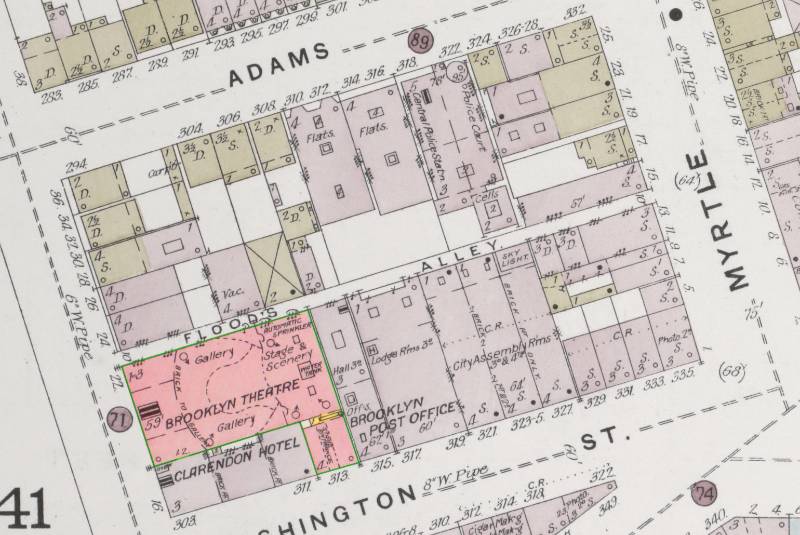
Execution and Project Management: Bringing It All Together
The execution phase brings all the planning and design work to life. Real estate managers oversee construction to make sure it follows the plans, stays within budget, and stays on schedule.
Keys to Effective Project Management
- Coordinate with contractors daily
- Resolve issues as they come up during construction
- Keep clear, open communication with all stakeholders
- Make regular site visits and progress reviews
The manager's role is to ensure the finished project matches the design vision, meets functional needs, and satisfies stakeholder expectations.