FISP Cycle & Spring Facade Work NYC: Owner's Guide
As spring breathes new life into New York City, it also signals the critical season for building facade inspections and necessary repairs, especially for those navigating the requirements of the Facade Inspection & Safety Program (FISP), formerly Local Law 11/98. For property owners, understanding the FISP cycle and preparing for facade work is not just about compliance; it's about safeguarding assets, ensuring public safety, and avoiding costly violations. This guide will walk you through the essentials, helping you stay ahead of the curve and maintain your building's structural integrity and aesthetic appeal.
Understanding the FISP Cycle: What Every Owner Needs to Know
The Facade Inspection & Safety Program (FISP) is the City's proactive measure to ensure the continued safety of building facades. Administered by the Department of Buildings (DOB), FISP mandates periodic inspections of all facades over six stories in height. The program operates on a five-year cycle, with specific filing windows for each cycle. Missing your filing window or submitting an inadequate report can lead to significant penalties.
FISP Filing Periods and Key Deadlines
- Cycles – FISP operates in five-year cycles, currently in Cycle 9 (February 21, 2020 – February 21, 2025). Each cycle is divided into sub-cycles (A, B, C) based on the building's block number. It's crucial to identify which sub-cycle your building falls into.
- Reporting Requirements – Owners must engage a Qualified Exterior Wall Inspector (QEWI), typically a licensed architect or engineer, to perform a comprehensive inspection of the building's facade. This inspection culminates in a technical report filed with the DOB.
- Classification – The QEWI will classify the facade as Safe, Safe With Repair And Maintenance Program (SWARMP), or Unsafe.
- Immediate Action for Unsafe Conditions – If any portion of the facade is deemed Unsafe, immediate action, including safeguarding public areas (e.g., erecting a sidewalk shed), is required, followed by commencement of repairs.
The Importance of Spring for Facade Work
Spring in NYC, with its milder temperatures and decreased precipitation, marks the ideal window for exterior building work. After a harsh winter, facades can exhibit accelerated deterioration due to freeze-thaw cycles, snow, and ice. Addressing these issues proactively in spring can prevent more significant, costly damage down the line.
Typical Spring Facade Inspections and Repairs
A thorough spring inspection by a QEWI or a qualified contractor should focus on:
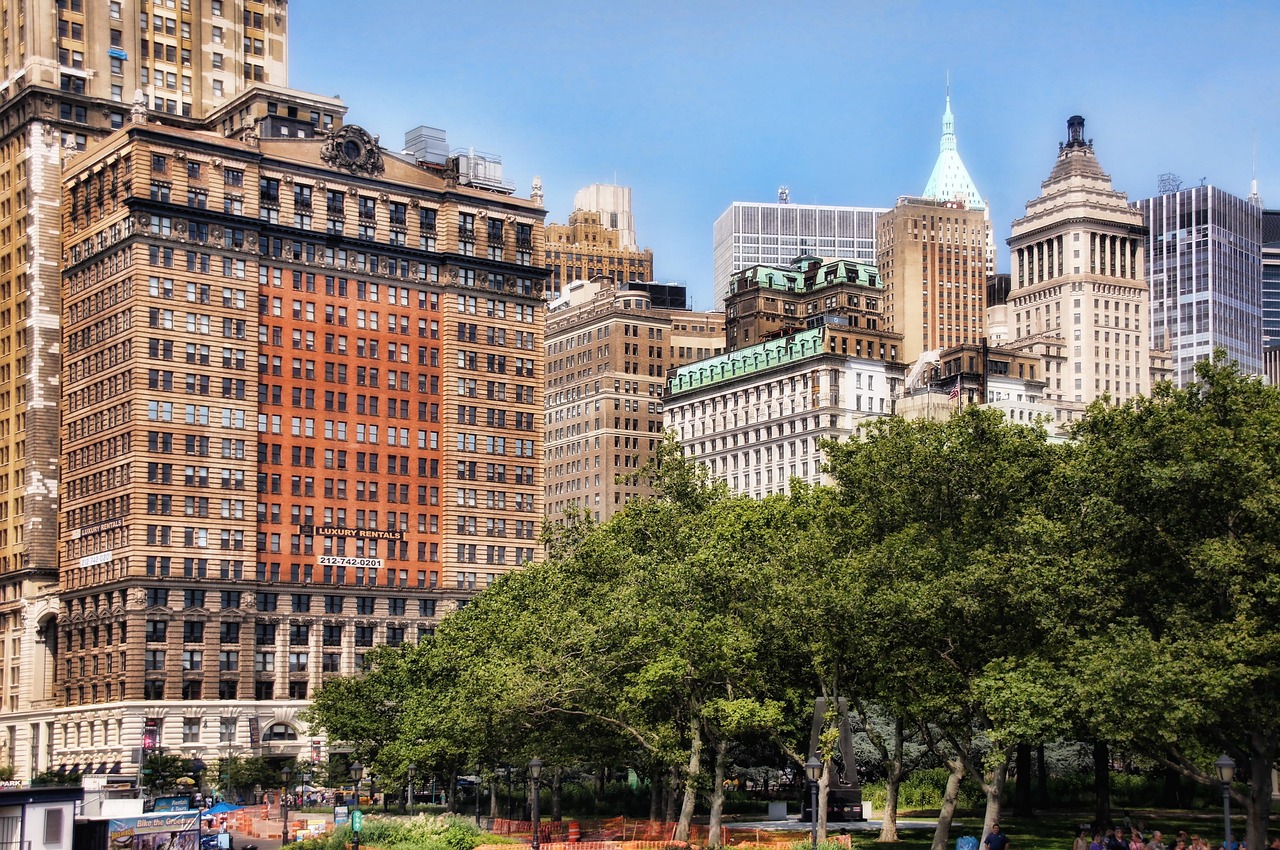
- Masonry Deterioration – Checking for spalling bricks, crumbling mortar joints, and cracks caused by water infiltration and freeze-thaw cycles. Repointing and brick replacement are common repairs.
- Waterproofing and Sealants – Inspecting window caulking, flashing, and expansion joints for degradation. Deteriorated sealants are a primary entry point for water, leading to interior damage and structural issues.
- Parapets and Copings – These elements are highly exposed to weather and often show the first signs of wear. Proper sealing and repair are crucial to prevent water from penetrating the wall assembly.
- Balconies and Terraces – Examining railings, balcony slabs, and their connections to the building for rust, cracks, or loose components.
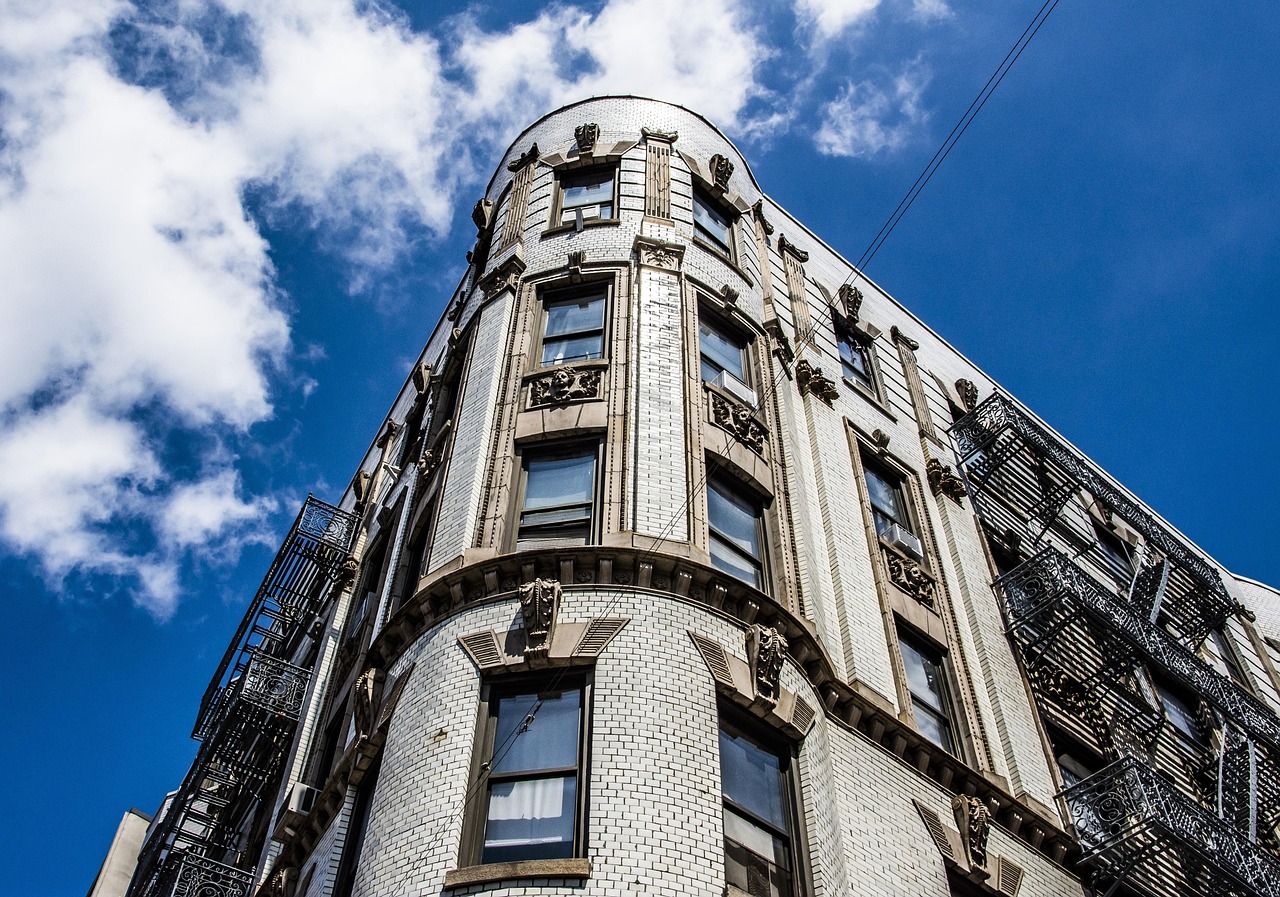
- Ornamental Features – Checking decorative elements for stability and deterioration. Falling ornaments can pose significant public safety hazards.
FISP Report Classifications and Their Implications
The condition of your building's facade, as assessed by the QEWI, will determine its classification in the FISP report. Understanding these classifications is vital for timely compliance.
- Safe (S) – The facade shows no conditions that pose a hazard to public safety. A new report is required in the next filing cycle.
- Safe With Repair and Maintenance Program (SWARMP) – The facade has minor deterioration or conditions that, if not addressed, could become unsafe. These conditions do not currently pose a hazard, but require periodic monitoring and repair within a specified timeframe (typically before the next filing cycle). Owners must submit an amended report when repairs are completed.
- Unsafe (U) – The facade has conditions that pose an immediate hazard to public safety. This classification triggers stringent requirements and deadlines.
Responding to an Unsafe Facade Report
- Public Protection – Immediately install sidewalk sheds, fences, or other protective measures to safeguard pedestrians. These measures must remain in place until the unsafe condition is rectified.
- Commence Repairs – Repairs must begin promptly. The DOB allows a specific timeframe for repairs, typically 90 days from the filing date, with the possibility of extensions if sufficient progress is demonstrated.
- Permit Requirements – Most facade repair work will require DOB permits. Ensure all necessary permits are obtained before work commences.
- Amended Report – Once repairs are completed and the facade is deemed Safe, the QEWI must file an amended report with the DOB to reclassify the building’s condition.
Common Violations and Penalties Associated with FISP
Non-compliance with FISP regulations can result in substantial monetary penalties from the DOB. These penalties are designed to encourage timely inspections and repairs to ensure public safety.
- Failure to File – A initial penalty of $5,000 for not filing a FISP report by the deadline, plus monthly penalties of $1,000 until the report is filed.
- Failure to Correct Unsafe Conditions – Monthly penalties of $1,000 if unsafe conditions are not corrected within 90 days of the initial filing date, or as specified by the DOB.
- Failure to Install Public Protection – Significant daily penalties (e.g., $1,000 per day) for not installing required sidewalk sheds or other public protection immediately upon discovering unsafe conditions.
- False Statements – Severe penalties, including potential criminal charges, for filing false or misleading information.
Essential Tips for Property Owners
Proactive management of your facade can save time, money, and stress. Here are some actionable tips:
- Know Your Schedule – Identify your building's FISP filing cycle and sub-cycle. Mark submission deadlines on your calendar.
- Engage a Qualified Professional Early – Don't wait until the last minute to hire a QEWI. Early engagement allows ample time for inspection, report preparation, and, if necessary, planning for repairs.
- Allocate Budget for Maintenance – Regularly budget for facade maintenance and potential FISP-mandated repairs. This prevents financial surprises.
- Maintain Records – Keep thorough records of all facade inspections, reports, permits, and repair work.
- Consider Proactive Minor Repairs – Addressing minor deterioration (SWARMP conditions) as they arise can prevent them from escalating into Unsafe conditions, which require more urgent and costly interventions.
How BVS Can Help with Your FISP Compliance and Facade Work
Navigating the complexities of FISP and managing facade repairs can be challenging for property owners. At BVS (Building Violation Solutions), we specialize in ensuring your building remains compliant with all NYC regulations, including FISP.
Our team of experts can assist you with:
- FISP Report Preparation and Filing – We connect you with experienced QEWIs and manage the entire reporting process, ensuring accurate and timely submission to the DOB.
- Violation Removal – If you've received FISP-related violations, we develop strategies to resolve them efficiently, minimizing penalties and ensuring compliance.
- Permit Expediting for Facade Work – We streamline the permit application process for all necessary facade repairs, from sidewalk sheds to extensive masonry work, ensuring your projects proceed without unnecessary delays.
- Project Management and Oversight – We can provide oversight for your facade repair projects, ensuring they meet DOB specifications and are executed by qualified contractors.
- Strategic Planning – We help you develop a long-term facade maintenance plan to mitigate future risks and manage your building's upkeep effectively.
Don't let FISP deadlines or facade deterioration catch you off guard. Contact BVS today for a consultation and ensure your building is safe, compliant, and well-maintained.
Services Offered
BVS handles the NYC compliance work behind every topic in this article. Explore the related services below:
Building Violation Removal
End-to-end resolution for DOB, ECB, FDNY and HPD violations.
Permit Expediting
Fast-track DOB, FDNY and DOT permits through every agency portal.
Certificate of Occupancy
Obtain, amend and renew COs and TCOs across all NYC building types.
Property Analysis
Pre-purchase compliance, violation and CO due diligence reports.